1022 Douglas Blvd. Roseville, CA 95678


Celebrate National Pet Day with These Easy Pet Health Tips

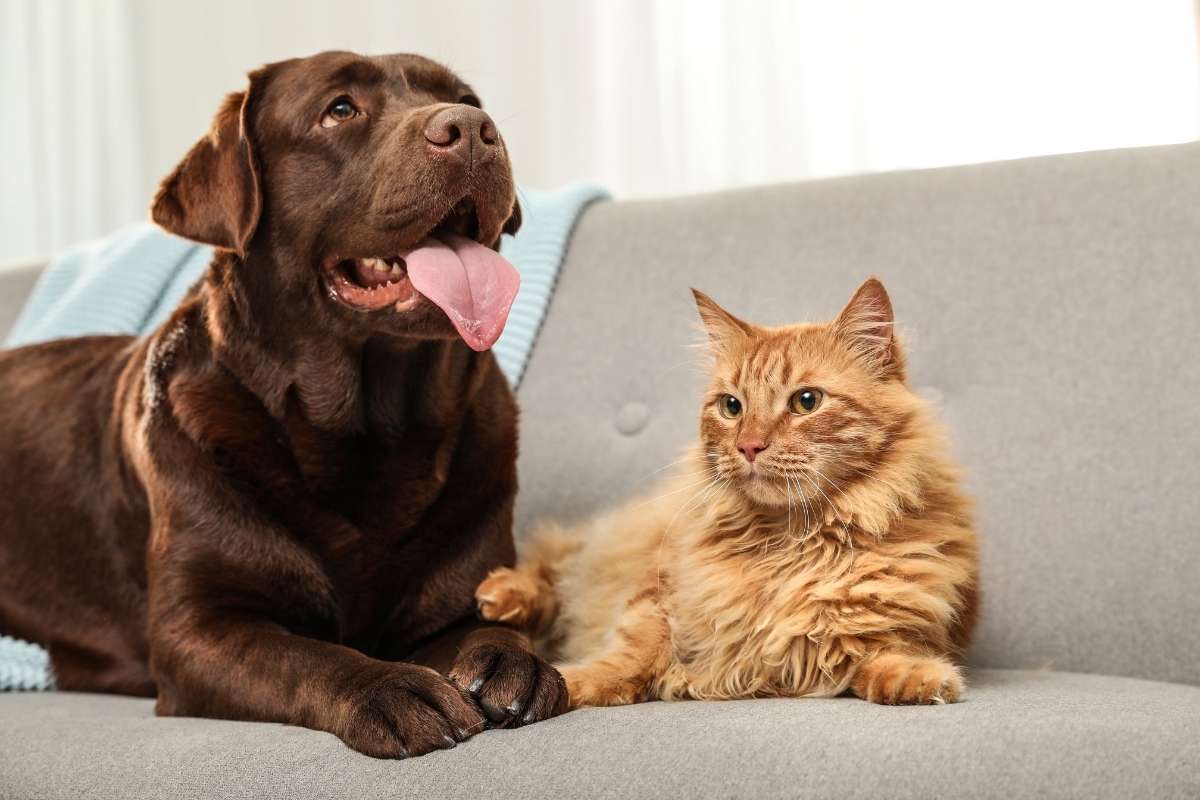
National Pet Day is the perfect time to reflect on the love and companionship our pets bring into our lives—and to make sure we’re doing everything we can to keep them healthy and happy. Whether you have a playful puppy, a curious cat, or a senior pet needing extra care, small daily habits can make a big difference in their overall well-being.
If you’re a pet owner in Roseville, staying proactive about your pet’s health with the help of a trusted veterinarian is one of the best gifts you can give your furry companion.
Why National Pet Day Matters for Pet Health
National Pet Day isn’t just about celebrating pets with treats and toys—it’s also a reminder to focus on preventive care. Many common health issues in pets can be avoided or managed early with regular checkups, proper nutrition, and a consistent care routine.
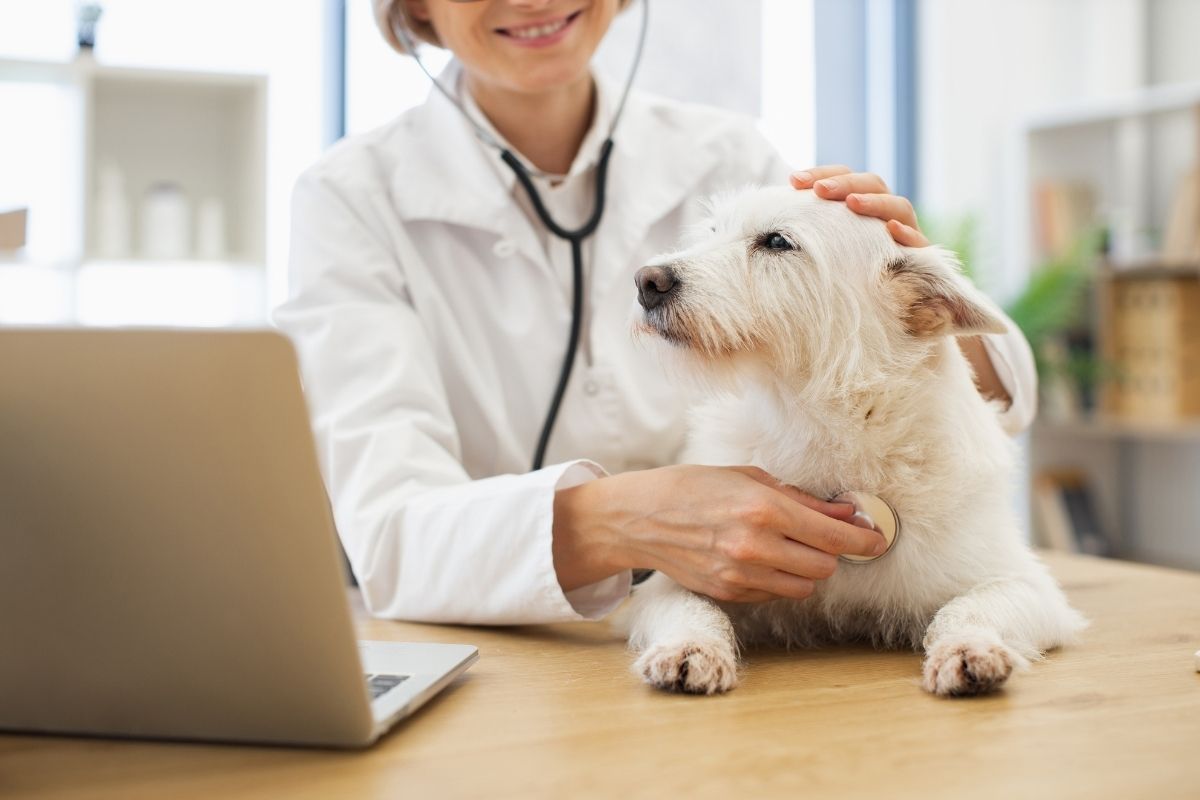
Scheduling a visit with a vet ensures your pet stays up to date on vaccinations, dental care, and overall wellness exams. If it’s been a while, now is the perfect time to book an appointment and prioritize your pet’s health.
1. Prioritize a Balanced and Nutritious Diet
Nutrition is the foundation of your pet’s health. Feeding your dog or cat a high-quality, balanced diet supports their immune system, energy levels, and longevity.
Tips for better nutrition:
- Choose food based on your pet’s age, breed, and size
- Avoid overfeeding and monitor portion sizes
- Limit table scraps and unhealthy treats
- Provide fresh, clean water at all times
If you’re unsure about the right diet, consult a veterinarian for personalized recommendations tailored to your pet’s needs.
2. Keep Your Pet Active and Engaged
Regular exercise is essential for maintaining a healthy weight and preventing behavioral issues. Pets that stay active are less likely to develop obesity-related conditions such as diabetes or joint problems.
Easy ways to keep pets active:
- Daily walks for dogs
- Interactive toys and play sessions
- Puzzle feeders for mental stimulation
- Safe outdoor exploration for cats
Even 20–30 minutes of daily activity can significantly improve your pet’s physical and mental health.
3. Stay Consistent with Preventive Veterinary Care
Routine checkups are one of the most important aspects of responsible pet ownership. Visiting an animal hospital in Roseville ensures early detection of potential health issues before they become serious.
Preventive care includes:
- Annual or biannual wellness exams
- Vaccinations
- Parasite prevention (fleas, ticks, heartworms)
- Bloodwork and diagnostic testing
Regular visits to a vet not only extend your pet’s life but also improve their quality of life.
4. Don’t Overlook Dental Health
Dental care is often neglected, but it plays a crucial role in your pet’s overall health. Poor oral hygiene can lead to gum disease, tooth loss, and even infections that affect vital organs.
Simple dental care tips:
- Brush your pet’s teeth regularly
- Provide dental chews or toys
- Schedule professional cleanings when needed
A quick dental check during your next veterinarian visit can prevent long-term complications.
5. Maintain a Healthy Weight
Obesity is one of the most common health concerns in pets today. Extra weight puts stress on joints, heart, and internal organs, leading to serious conditions over time.
How to manage your pet’s weight:
- Measure food portions carefully
- Avoid excessive treats
- Incorporate daily exercise
- Monitor weight changes regularly
If your pet is gaining weight, consult your vet for a customized weight management plan.
6. Grooming and Hygiene Matter
Regular grooming is more than just keeping your pet looking good—it’s essential for their health. Grooming helps prevent skin infections, matting, and other hygiene-related issues.
Grooming essentials:
- Brushing fur to remove dirt and loose hair
- Regular baths using pet-safe products
- Nail trimming to prevent overgrowth
- Ear cleaning to avoid infections
Consistent grooming also allows you to spot unusual lumps, bumps, or skin changes early.
7. Pay Attention to Behavioral Changes
Changes in your pet’s behavior can often signal underlying health problems. Being observant can help you catch issues early.
Watch for signs like:
- Loss of appetite
- Lethargy or decreased activity
- Excessive scratching or licking
- Changes in bathroom habits
If you notice anything unusual, don’t hesitate to book an appointment with a veterinarian for a thorough evaluation.
8. Create a Safe and Stress-Free Environment
Your pet’s environment plays a significant role in their overall health. A safe, clean, and stress-free home helps prevent accidents and supports emotional well-being.
Tips for a healthier environment:
- Keep harmful items out of reach
- Provide a comfortable sleeping area
- Maintain a consistent routine
- Offer plenty of affection and attention
Reducing stress can improve your pet’s immune system and behavior.
9. Microchipping and ID Tags for Safety
While not directly related to physical health, identification is crucial for your pet’s safety. If your pet gets lost, proper identification increases the chances of a safe return.
Safety essentials:
- Microchipping
- Updated ID tags with contact information
- Secure collars and harnesses
Talk to your veterinarian about microchipping options if your pet isn’t already protected.
10. Strengthen the Human-Pet Bond
A strong bond with your pet contributes to their emotional and physical health. Spending quality time together builds trust and reduces anxiety.
Ways to strengthen your bond:
- Daily playtime
- Training sessions
- Positive reinforcement
- Gentle affection and attention
Happy pets are healthier pets, and your involvement plays a key role in their well-being.
Celebrate National Pet Day the Healthy Way
This National Pet Day, go beyond treats and toys—focus on long-term health and wellness. From proper nutrition to regular visits to an animal hospital in Roseville, every small step contributes to a healthier, happier life for your pet.
If you haven’t scheduled a wellness exam recently, now is the perfect time to book an appointment with a trusted vet. Preventive care today can make all the difference for your pet’s future.
FAQs
1. How often should I take my pet to a veterinarian?
Most pets should visit a veterinarian at least once a year for a wellness exam. Senior pets or those with health conditions may need more frequent visits.
2. What are the signs that my pet needs to see a vet?
Common signs include loss of appetite, lethargy, vomiting, changes in behavior, or unusual weight changes. If you notice any of these, schedule a visit with a vet.
3. How can I improve my pet’s health at home?
Focus on proper nutrition, regular exercise, grooming, and maintaining a consistent routine. Preventive care and regular checkups also play a major role.
4. Why is dental care important for pets?
Dental health affects your pet’s overall well-being. Poor oral hygiene can lead to infections, pain, and even organ damage if left untreated.
5. When should I book an appointment for my pet?
You should book an appointment if your pet is due for vaccinations, hasn’t had a recent checkup, or is showing any unusual symptoms or behavior.