1022 Douglas Blvd. Roseville, CA 95678


Vet-Recommended Vaccine Schedule for Puppies and Kittens
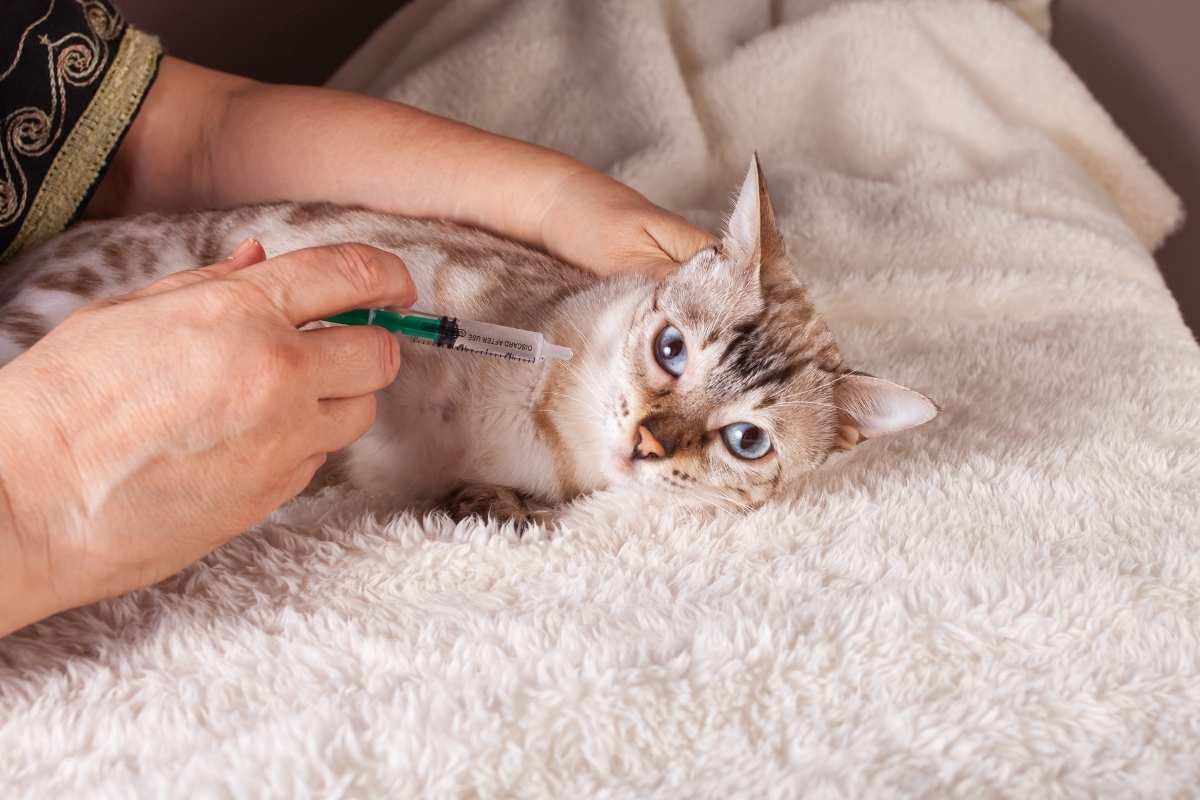
Welcoming a new puppy or kitten into your home is exciting but along with the cuddles comes an important responsibility: protecting your pet from preventable diseases. Vaccinations are one of the most effective ways to ensure a long, healthy life for your furry companion. At PetCare Veterinary Clinic in Roseville, veterinarians emphasize timely immunizations as the foundation of lifelong wellness.
This guide walks you through a vet-recommended vaccine schedule for puppies and kittens, helping you understand what your pet needs and when.
Why Vaccinations Are Essential for Young Pets
Puppies and kittens are born with immature immune systems, making them highly vulnerable to infections. While they receive some temporary immunity from their mother’s milk, this protection fades within weeks.
Vaccinations help:
- Build strong immunity against life-threatening diseases
- Prevent the spread of contagious illnesses
- Reduce long-term healthcare costs
- Support community-wide pet health
Skipping or delaying vaccines can expose your pet to serious risks, many of which are preventable with proper care.
Core vs. Non-Core Vaccines: What’s the Difference?
Veterinarians classify vaccines into two main categories:
Core Vaccines
These are essential for all pets, regardless of lifestyle, because they protect against highly contagious and dangerous diseases.
For Puppies:
- Distemper
- Parvovirus
- Adenovirus (Hepatitis)
- Rabies
For Kittens:
- Feline Viral Rhinotracheitis
- Calicivirus
- Panleukopenia (FVRCP combination)
- Rabies
Non-Core Vaccines
These are recommended based on your pet’s lifestyle, environment, and risk factors.
Examples include:
- Bordetella (kennel cough)
- Lyme disease
- Feline leukemia (FeLV)
Your veterinarian in Roseville will tailor these vaccines based on your pet’s needs.
Puppy Vaccination Schedule
A structured vaccination timeline is critical during your puppy’s first few months.
6–8 Weeks
- First DHPP vaccine (Distemper, Hepatitis, Parvovirus, Parainfluenza)
- Optional: Bordetella (depending on exposure risk)
10–12 Weeks
- Second DHPP booster
- Optional: Leptospirosis or Lyme vaccine
14–16 Weeks
- Third DHPP booster
- Rabies vaccine (required by law in most areas)
12–16 Months
- Booster shots for DHPP and Rabies
After the first year, most vaccines are administered every 1–3 years depending on your veterinarian’s recommendation.
Kitten Vaccination Schedule
Kittens also require a series of vaccines to build immunity early in life.
6–8 Weeks
- First FVRCP vaccine
10–12 Weeks
- Second FVRCP booster
- Feline Leukemia (FeLV) vaccine (if recommended)
14–16 Weeks
- Third FVRCP booster
- Rabies vaccine
12 Months
- Booster shots for FVRCP and Rabies
Adult cats typically receive boosters every 1–3 years based on lifestyle and risk.
Factors That Influence Vaccine Schedules
Not all pets follow the exact same vaccination plan. Your veterinarian may adjust the schedule based on:
- Indoor vs. outdoor lifestyle
- Exposure to other animals
- Travel or boarding needs
- Local disease risks in Roseville
- Overall health condition
This is why personalized care is essential when planning pet vaccinations roseville residents can rely on for optimal protection.
Signs Your Pet May Need Immediate Veterinary Attention
Even with vaccinations, it’s important to monitor your pet’s health. Contact your veterinarian if you notice:
- Lethargy or weakness
- Loss of appetite
- Vomiting or diarrhea
- Persistent coughing or sneezing
- Swelling at the injection site
Early intervention can prevent complications and ensure your pet stays healthy.
Tips for a Smooth Vaccination Experience
Helping your pet feel comfortable during vet visits can make a big difference.
- Keep your pet calm and well-rested before the visit
- Bring their medical records
- Use treats or toys for positive reinforcement
- Follow post-vaccination care instructions carefully
A stress-free experience encourages better cooperation in future visits.
Partnering with Your Veterinarian
Vaccinations are not a one-time event, they’re part of an ongoing wellness plan. Regular checkups allow your veterinarian to:
- Track your pet’s growth and development
- Update vaccinations as needed
- Detect early signs of illness
- Provide tailored health advice
If your pet is due for vaccines, it’s best to schedule an appointment with a trusted veterinary provider to stay on track.
Conclusion
Vaccinating your puppy or kitten is one of the most important steps you can take as a pet owner. Following a vet-recommended schedule ensures your pet is protected during their most vulnerable stages of life and beyond.
At PetCare Veterinary Clinic in Roseville, the focus is on preventive care and personalized attention, helping pets thrive at every stage. By staying proactive with vaccinations, you’re giving your pet the healthiest start possible—and peace of mind for years to come.
FAQs
1. How many vaccinations do puppies and kittens need?
Ans: Puppies and kittens typically need a series of 3–4 vaccinations during their first few months, followed by booster shots annually or every few years.
2. Are vaccines safe for young pets?
Ans: Yes, vaccines are thoroughly tested and generally safe. Mild side effects like slight swelling or tiredness may occur but usually resolve quickly.
3. What happens if I miss a vaccine appointment?
Ans: Missing a scheduled vaccine may require restarting the series or adjusting the timeline. Consult your veterinarian as soon as possible.
4. Do indoor pets need vaccinations?
Ans: Yes, even indoor pets are at risk of exposure through humans, other animals, or environmental factors. Core vaccines are still essential.
5. How long do pet vaccines last?
Ans: Some vaccines last one year, while others provide protection for up to three years. Your vet will recommend the appropriate schedule.
6. Can my pet go outside before completing vaccinations?
Ans: It’s best to limit exposure to public areas and other animals until your pet has completed their initial vaccination series.