1022 Douglas Blvd. Roseville, CA 95678


How to Keep Your Pet Safe During Fourth of July Fireworks
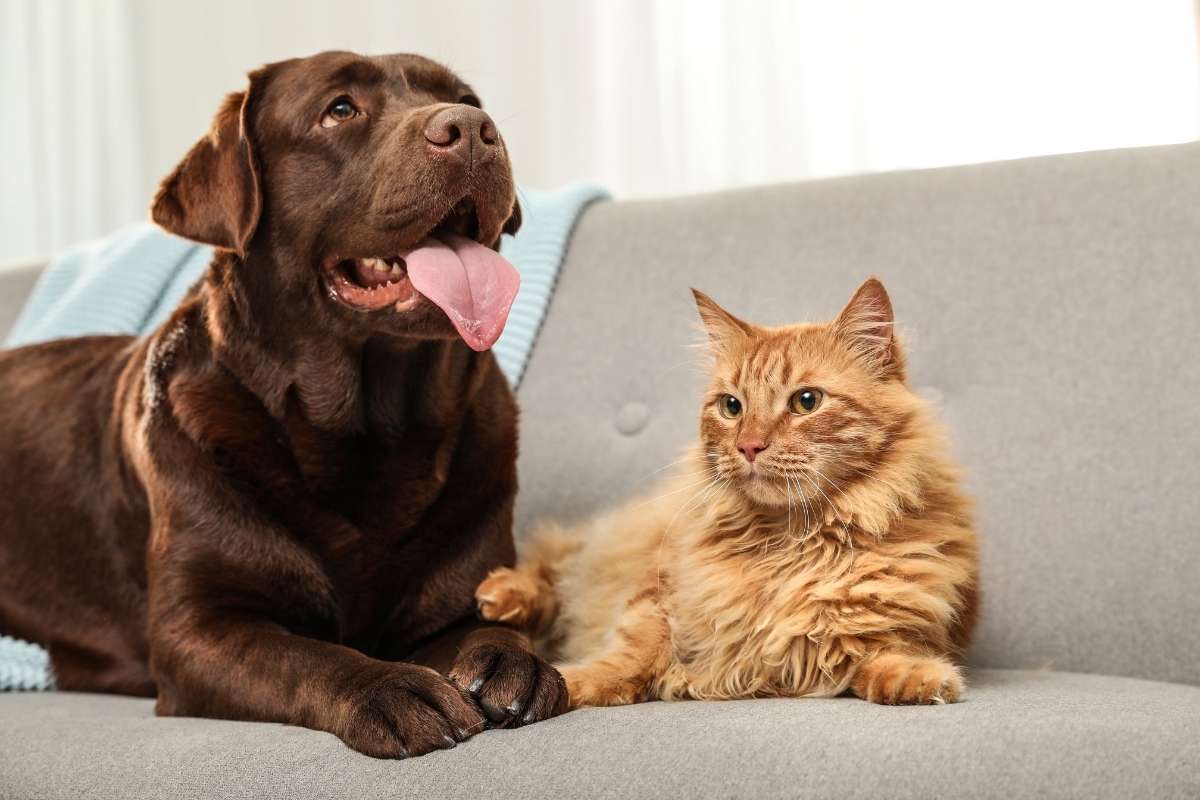
The Fourth of July is a time for family gatherings, cookouts, and spectacular fireworks displays. While these celebrations are exciting for people, they can be overwhelming and even dangerous for pets. Dogs and cats often react to loud noises, bright flashes, unfamiliar guests, and changes in routine, making Independence Day one of the most stressful holidays for animals.
Knowing how to prepare your pet before the festivities begin can help reduce stress and lower the risk of injuries or illnesses. Whether you’re staying home or attending a local celebration, taking a few simple precautions can go a long way toward keeping your furry companion comfortable and secure.
If you’re looking for a trusted animal hospital Roseville residents rely on, understanding these safety tips is an excellent first step toward protecting your pet during the holiday.
Why Fireworks Can Be Frightening for Pets
Unlike humans, pets don’t understand what fireworks are or why they’re happening. The sudden explosions, bright lights, and unfamiliar smells can trigger fear and anxiety.
Common reactions include:
- Trembling or shaking
- Excessive panting
- Hiding under furniture
- Barking or meowing excessively
- Restlessness or pacing
- Attempting to escape
- Loss of appetite
Even pets that usually appear calm may become anxious during fireworks. Every animal responds differently, which is why preparation is so important.
Create a Safe Indoor Space Before Fireworks Begin
One of the most effective ways to help your pet stay calm is by creating a quiet, secure environment indoors.
Choose a room away from windows where outside noises are less noticeable. Include your pet’s favorite bed, blankets, toys, and fresh water. Familiar surroundings can provide comfort during stressful situations.
Closing curtains and blinds can also reduce the flashing lights from fireworks, helping minimize visual stimulation.
Some pet owners find that playing soft music or leaving the television on creates soothing background noise that masks loud sounds outside.
Keep Dogs and Cats Indoors
Even if your pet normally enjoys spending time outside, the Fourth of July is not the day to let them roam freely.
Loud fireworks can startle even well-trained animals, causing them to panic and run away. Pets may jump fences, slip out of collars, or dart through open doors in an attempt to escape the noise.
Keeping your dog or cat safely indoors throughout the evening greatly reduces the chance of them becoming lost or injured.
Double-Check Identification Information
Although prevention is always the goal, accidents can happen.
Before holiday celebrations begin, make sure your pet:
- Is wearing a properly fitted collar
- Has an updated ID tag
- Has current contact information attached
If your pet does become separated from your family, accurate identification significantly improves the chances of a safe reunion.
Be Careful When Guests Arrive
Holiday gatherings often mean visitors coming and going throughout the day.
Frequent opening and closing of doors creates opportunities for anxious pets to slip outside unnoticed.
Consider keeping your pet in a separate room while guests arrive, especially if they tend to become nervous around unfamiliar people or are easily startled.
Ask family members and visitors to be mindful when entering or leaving your home.
Keep Fireworks Away From Pets
Fireworks should never be used around dogs or cats.
Even fireworks that appear harmless can cause injuries.
Potential dangers include:
- Burns
- Eye injuries
- Paw injuries
- Smoke inhalation
- Stress-related accidents
Spent fireworks may also contain chemical residue that could be harmful if your pet investigates or chews on them.
Never allow pets to play with discarded fireworks after celebrations end.
Watch Out for Backyard BBQ Hazards
Fourth of July cookouts introduce several foods that aren’t appropriate for pets.
Keep pets away from:
- Cooked bones
- Corn cobs
- Skewers
- Fat trimmings
- Alcoholic beverages
- Chocolate desserts
- Onions and garlic
- Foods containing xylitol
In addition to food, hot grills and fire pits can present burn hazards for curious animals.
Designate a pet-safe area away from cooking equipment to prevent accidental injuries.
Maintain Your Pet’s Normal Routine
Pets generally feel more comfortable when their daily schedule remains consistent.
Whenever possible:
- Feed meals at regular times.
- Take walks earlier in the day before fireworks begin.
- Allow time for exercise and bathroom breaks before evening celebrations.
A familiar routine can help reduce stress and promote a sense of security.
Recognize Signs of Severe Anxiety
While mild nervousness is common, some pets experience more significant distress.
Watch for symptoms such as:
- Continuous pacing
- Excessive drooling
- Persistent vocalization
- Attempts to escape
- Destructive behavior
- Refusing food or water
- Heavy panting that doesn’t improve
If these behaviors continue or worsen, it’s important to have your pet evaluated by a veterinary professional.
Prevent Heat-Related Problems During Summer Celebrations
The Fourth of July falls during one of the hottest times of the year.
If your pet spends any time outdoors earlier in the day:
- Provide plenty of fresh water.
- Ensure access to shade.
- Avoid walking on hot pavement.
- Limit strenuous activity during peak afternoon temperatures.
Signs that your pet may be overheating include excessive panting, weakness, drooling, vomiting, or difficulty walking. Prompt veterinary evaluation is recommended if these symptoms develop.
Secure Your Yard Before the Holiday
Before festivities begin, inspect your yard for potential escape routes.
Check that:
- Gates latch securely.
- Fence panels are intact.
- Loose boards or openings are repaired.
- Outdoor hazards are removed.
Even pets that have never attempted to escape may panic during fireworks.
Comfort Your Pet Without Reinforcing Fear
Many owners wonder whether they should comfort a frightened pet.
Offering reassurance through your calm presence is perfectly appropriate. Speak softly and remain relaxed. Avoid forcing interaction if your pet prefers to hide.
Allow them to choose where they feel safest while ensuring the area remains secure.
Know When Veterinary Care Is Needed
Some holiday situations require prompt medical attention.
Seek professional care if your pet experiences:
- Burns
- Cuts or wounds
- Difficulty breathing
- Persistent vomiting
- Collapse
- Seizures
- Suspected ingestion of fireworks or harmful foods
- Severe anxiety that doesn’t improve
Recognizing these warning signs early can help prevent more serious complications.
If you notice unusual symptoms or have concerns about your pet’s health before the holiday weekend, it’s always wise to schedule for an appointment with your veterinarian.
Partner With a Trusted Veterinary Team in Roseville
Holiday celebrations should create lasting memories for your family not unexpected health concerns for your pets. By planning ahead, keeping pets indoors, avoiding common hazards, and recognizing signs of stress, you can help your dog or cat enjoy a safer and more comfortable Fourth of July.
For compassionate care throughout the year, PetCare Veterinary Clinic is proud to serve families looking for a dependable veterinary hospital in the community. Whether your pet needs preventive care, medical evaluation, or professional guidance, our experienced team is committed to helping them stay healthy. If you’ve been searching for a veterinarian near you or a trusted animal hospital Roseville pet owners depend on, we’re here to provide personalized care for every stage of your pet’s life.
Frequently Asked Questions
1. Why are fireworks so stressful for dogs and cats?
Ans: Fireworks produce loud noises, bright flashes, and unfamiliar smells that pets don’t understand. These sudden stimuli can trigger fear, anxiety, and escape behaviors.
2. Should I keep my pet inside during Fourth of July fireworks?
Ans: Yes. Keeping your pet indoors in a secure, quiet environment is one of the best ways to reduce stress and prevent them from running away during fireworks.
3. Can barbecue foods be harmful to pets?
Ans: Yes. Foods such as cooked bones, onions, garlic, chocolate, fatty meats, alcohol, and desserts containing xylitol can all pose health risks for dogs and cats.
4. How can I help my pet stay calm during fireworks?
Ans: Create a quiet room with familiar bedding and toys, close windows and curtains, maintain your pet’s normal routine, and provide calm reassurance throughout the evening.
5. What signs indicate my pet should be seen by a veterinarian after fireworks?
Ans: Seek veterinary care if your pet has burns, cuts, breathing difficulties, repeated vomiting, seizures, collapses, or continues to show severe anxiety long after the fireworks have ended.
6. How can I reduce the chance of my pet getting lost during the holiday?
Ans: Keep your pet indoors, ensure doors and gates remain secure, verify that identification tags are current, and monitor pets closely whenever guests enter or leave your home.