1022 Douglas Blvd. Roseville, CA 95678


Pet Surgery Can Feel Overwhelming: Here’s How to Prepare
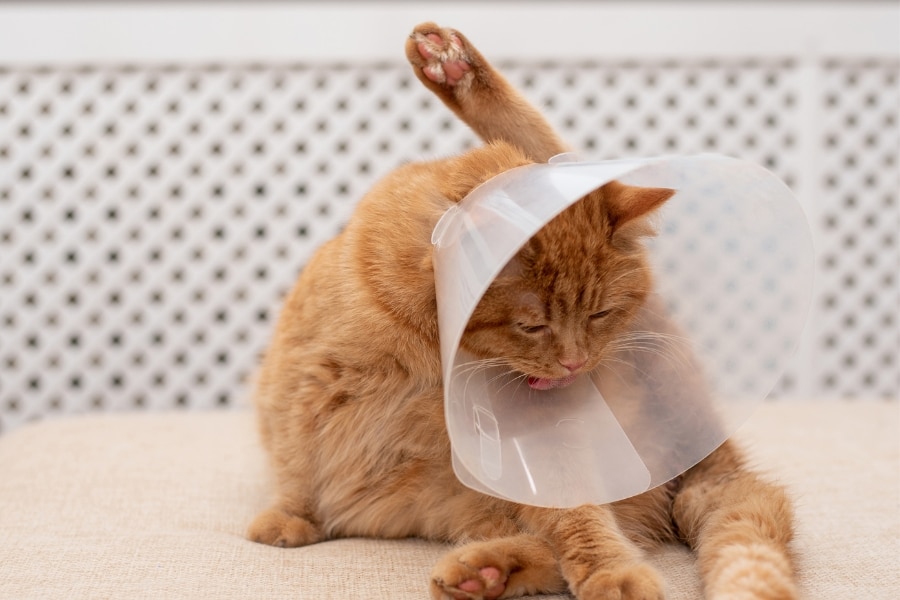
When your beloved pet needs a procedure, it is normal to feel worried or uncertain. Many pet owners wonder how they can make the process easier for their furry companions.
Understanding what happens before, during, and after a pet surgery can help you feel more confident. Preparation allows you to support your pet’s comfort, safety, and recovery.
At PetCare Veterinary Clinic, we understand the strong bond you share with your pet. Our team provides compassionate veterinary care in Roseville, helping families make informed decisions about their pets’ health. If you’re anxious about pet surgery and unsure how to prepare, read this blog to the end.
Why Preparation Matters Before Your Pet’s Procedure
A planned procedure can feel stressful for both pets and owners. However, proper preparation can create a smoother experience.
Before any procedure, your veterinarian will evaluate your pet’s health. This may include a physical examination and diagnostic testing.
These steps help identify health concerns that may affect anesthesia or recovery. They also allow your veterinary team to create a safer care plan.
Your preparation at home also plays an important role. Simple steps can help your pet stay calm before their appointment.
Understand Your Pet’s Procedure and Care Plan
One of the best ways to reduce stress is learning what to expect.
Ask your veterinarian questions about the procedure, recovery timeline, and home care needs. Knowing the details helps you prepare your home properly.
Important questions may include:
- What type of procedure does my pet need?
- How long will recovery usually take?
- What activity restrictions should I follow?
- What signs should I monitor after the procedure?
- When should I schedule a follow-up visit?
A clear understanding helps you feel prepared. It also allows you to provide better support for your pet during recovery.
Follow Your Veterinarian’s Pre-Procedure Instructions
Your veterinarian may provide specific instructions before your pet’s appointment. These instructions are important for your pet’s safety.
Common preparation steps may include:
- Following fasting guidelines before anesthesia
- Giving medications only as directed
- Arriving on time for the appointment
- Sharing your pet’s medical history
- Informing your veterinarian about any changes
Never adjust medications or feeding schedules without professional guidance.
Every pet has different health needs. Your veterinary team will provide recommendations based on your pet’s condition.
Create a Comfortable Recovery Space at Home
Your home environment can make recovery easier for your pet.
Before your appointment, prepare a quiet and comfortable area. This space should allow your pet to rest without unnecessary activity.
Consider preparing:
- A soft resting area
- Clean bedding
- Fresh water nearby
- Easy access to food
- Limited access to stairs or furniture
Some pets may need restricted movement after their procedure. Creating a safe area can prevent accidental injuries.
A calm environment also helps reduce stress during healing.
Support Your Pet After the Procedure
Recovery requires patience and attention. Your pet may behave differently while healing.
Some pets may feel tired, less active, or experience temporary changes after anesthesia. These reactions are often expected.
Follow all aftercare instructions provided by your veterinarian.
Your recovery checklist may include:
- Giving medications as prescribed
- Checking the procedure area
- Preventing excessive licking or scratching
- Limiting physical activity
- Attending follow-up appointments
Contact your veterinary team if you notice unusual symptoms. Early communication can help address concerns quickly.
Watch for Signs That Need Veterinary Attention
Knowing what is normal and what is concerning can help protect your pet.
Contact your veterinarian if you notice:
- Excessive bleeding
- Severe swelling
- Difficulty breathing
- Loss of appetite that continues
- Extreme tiredness
- Changes in behavior
- Signs of increasing pain
Your veterinarian can guide you through the next steps. Never hesitate to ask questions about your pet’s recovery.
How PetCare Veterinary Clinic Helps Make Procedures Safer
Choosing the right veterinary team can make a major difference during this process.
At PetCare Veterinary Clinic, our goal is to provide reliable care while keeping pets comfortable. Our Roseville veterinary team combines modern technology with compassionate attention.
We focus on complete evaluations before procedures. This helps our veterinarians understand each pet’s individual health needs.
Our clinic provides surgical care as part of our comprehensive veterinary services. We work with pet owners to explain treatment options and create appropriate care plans.
Every pet deserves thoughtful attention during important health decisions. Our team is committed to supporting both pets and their families throughout the process.
Helping Your Pet Feel Calm Before Their Appointment
Pets can sense changes in their environment. Maintaining a calm routine can help reduce anxiety.
Try these simple tips before the appointment:
- Keep your daily routine consistent
- Use a calm voice around your pet
- Bring familiar items if recommended
- Avoid unnecessary stress before arrival
Your attitude can also influence your pet’s comfort. Staying calm helps your pet feel more secure.
What to Expect During Recovery
Recovery times vary based on the procedure, age, and overall health of your pet.
Some pets recover quickly, while others need additional monitoring. Your veterinarian will explain what to expect based on your pet’s situation.
During recovery, focus on:
- Providing rest
- Following instructions carefully
- Monitoring changes
- Keeping follow-up appointments
Recovery is a gradual process. Your patience and care play an important role in your pet’s healing.
Choosing Compassionate Care for Your Pet’s Health
When your pet needs treatment, having a trusted veterinary team can provide peace of mind.
PetCare Veterinary Clinic supports families in Roseville, CA, with comprehensive veterinary services. Our team understands that every pet is a valued family member.
We take time to explain care options and answer your questions. Our goal is to help your pet return to a healthy and comfortable life.
With proper preparation and professional guidance, pet surgery does not have to feel overwhelming. The right support can help your pet move through treatment with greater comfort and confidence.
Your pet’s health and comfort matter. If your companion needs surgical care, we are here to provide compassionate support.
Schedule an appointment with our veterinary team today and take the next step toward protecting your pet’s health.
Frequently Asked Questions
Q1. How can I prepare my pet before surgery?
Ans: Follow all instructions from your veterinarian. Prepare your home, follow feeding guidelines, and keep your pet comfortable before the procedure.
Q2. How long does recovery take after a pet procedure?
Ans: Recovery depends on the type of procedure and your pet’s health. Your veterinarian will provide a recovery timeline and specific instructions.
3. Is anesthesia safe for pets?
Ans: Veterinarians take precautions to improve anesthesia safety. Health evaluations and monitoring help reduce potential risks.
4. What should I do if my pet removes their surgical covering?
Ans: Contact your veterinarian for guidance. Preventing licking or chewing can help protect the healing area.
5. How do I know if my pet is recovering normally?
Ans: Mild tiredness can be common after procedures. Contact your veterinarian if you notice concerning changes or worsening symptoms.
6. Should I change my pet’s diet after a procedure?
Ans: Follow your veterinarian’s recommendations. Some pets may need temporary dietary adjustments during recovery.
7. When should I schedule a follow-up appointment?
Ans: Your veterinarian will recommend the appropriate follow-up timing. These visits help monitor healing and address concerns.