1022 Douglas Blvd. Roseville, CA 95678


How to Keep Indoor Cats Safe and Comfortable on Halloween
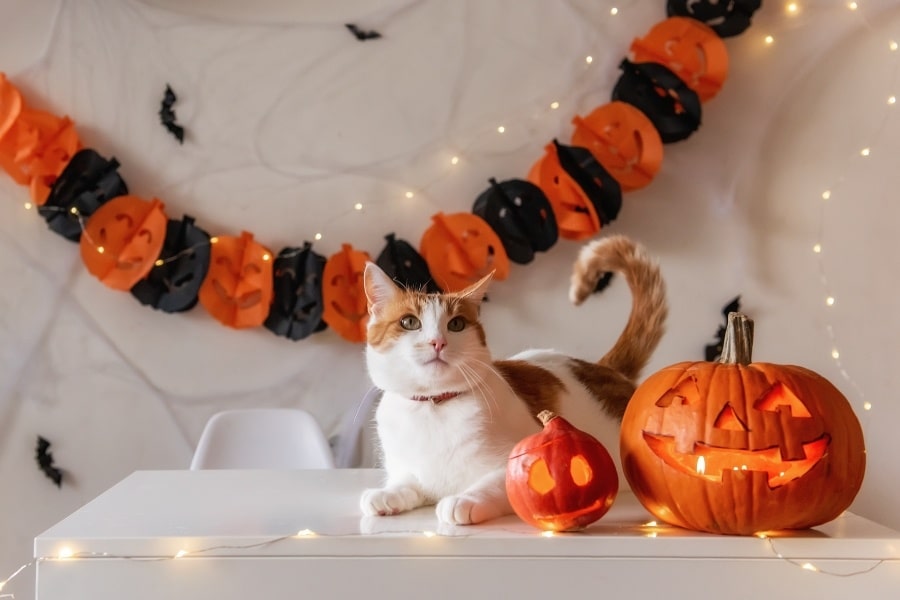
Halloween can bring excitement to your home, but unfamiliar noises, ringing doorbells, costumed visitors, and decorations can make indoor cats feel uneasy. Even cats that rarely leave the house may become frightened or try to escape when the front door opens repeatedly.
PetCare Veterinary Clinic helps pet owners in Roseville, CA, care for their pets through different stages of life. Preparing your home before Halloween can help protect your cat from common hazards and create a calmer environment. For Halloween, it helps to know which decorations and treats can put your cat at risk. If your cat gets into something harmful or starts acting unusually, having a trusted vet near you can make it easier to get the right advice and care when you need it.
1. Create a Quiet, Comfortable Retreat
Cats often feel safest in familiar surroundings. Before trick-or-treaters arrive, prepare a quiet room away from the front entrance where your cat can relax without constant interruptions.
Include your cat’s favorite bed, fresh water, a litter box, familiar toys, and a comfortable hiding spot. A cardboard box or covered cat bed can provide a reassuring place to retreat.
Close windows securely and consider playing soft music to reduce outside noise. Let your cat hide or rest without forcing interaction with visitors. Keeping familiar routines, including regular meal times, can also help your cat feel more secure.
2. Prevent Accidental Escapes
Repeatedly opening the front door creates an opportunity for an indoor cat to dart outside. Even a cat that usually avoids strangers may bolt when startled by loud noises or unfamiliar costumes.
Keep your cat in a secure room during busy trick-or-treating hours, and remind family members to close doors carefully. Check window screens and other possible escape routes before Halloween night.
A registered microchip and current identification can improve the chances of reuniting with your cat if they get lost. Make sure your contact information is up to date.
3. Choose Cat-Safe Halloween Decorations
Cats are naturally curious, and new decorations can attract unwanted attention. Some festive items can become dangerous if chewed, swallowed, or knocked over.
- Candles and jack-o’-lanterns: Choose battery-operated candles to reduce the risk of burns and accidental fires.
- Artificial cobwebs, ribbons, and strings: Swallowing these materials can cause serious digestive complications.
- Electrical cords: Secure cords and keep them out of reach to prevent chewing injuries.
- Small decorations: Plastic spiders, miniature ornaments, and fake teeth can become choking or ingestion hazards.
- Essential oils and scented products: Some formulations can be toxic to cats, so store them securely and avoid exposing pets to potentially harmful products.
Check decorations before placing them around your home, and supervise your cat around unfamiliar objects.
4. Keep Halloween Candy and Costumes Away
Halloween candy is meant for people, not pets. Chocolate can be toxic to cats, while candy wrappers and sticks may cause problems if swallowed. Keep sweets securely stored rather than leaving them on low tables or near your cat’s food.
Offer your cat their regular food or a familiar cat-safe treat instead. Avoid introducing unfamiliar foods just to make the holiday special.
Costumes can also make some cats uncomfortable. Restrictive outfits may interfere with movement, vision, or breathing. If your cat struggles, freezes, or repeatedly tries to remove an outfit, take it off. A festive toy or comfortable resting spot is often a better choice.
5. Recognize Signs of Halloween Stress
Cats may express fear in subtle ways. Some hide for hours, while others become restless or unusually vocal.
Watch for signs such as:
- Hiding more than usual or avoiding family members
- Flattened ears, a tucked tail, or a crouched posture
- Hissing, growling, or sudden attempts to escape
- Reduced interest in food or play
- Unusual aggression or restlessness
Give your cat space instead of pulling them out of hiding. Keep their environment calm and allow them to approach people on their own terms.
If your cat develops persistent changes in appetite or behavior, contact your veterinarian. Stress may contribute to these changes, but illness or pain can cause similar signs.
6. Know When to Contact a Veterinarian
Even with careful preparation, accidents can happen. Contact a veterinary professional promptly if your cat swallows a potentially dangerous decoration, chews an electrical cord, or may have eaten chocolate or another unsafe substance. Do not wait for symptoms to appear or induce vomiting unless a veterinary professional specifically instructs you to do so.
Difficulty breathing, collapse, seizures, or serious burns require emergency veterinary attention. If you are searching for a vet near you, identify a local veterinary clinic and an emergency hospital before Halloween so you know where to seek help if something unexpected happens.
Help Your Cat Enjoy a Safer Halloween
Your cat does not need to participate in every Halloween activity to have a comfortable evening. A secure retreat, safe decorations, familiar routines, and a little extra attention can make a meaningful difference.
PetCare Veterinary Clinic offers veterinary services for pets in Roseville, CA, including preventive care and diagnostic services. If you have concerns about your cat’s health or behavior, schedule an appointment to discuss your pet’s needs with the veterinary team.
Frequently Asked Questions
Q1. Should I keep my indoor cat in a separate room on Halloween?
Ans: Yes. A quiet, secure room can help protect your cat from frightening noises, unfamiliar visitors, and accidental escapes. Provide water, a litter box, comfortable bedding, and a hiding place.
Q2. Which Halloween decorations are dangerous for cats?
Ans: Candles, electrical cords, artificial cobwebs, ribbons, small ornaments, and certain scented products can pose risks. Choose safer alternatives and keep potentially hazardous items out of reach.
Q3. When should I contact a veterinarian after a Halloween accident?
Ans: Contact a veterinarian promptly if your cat swallows a potentially harmful object or substance. Seek emergency care for severe symptoms such as difficulty breathing, seizures, or collapse.
Q4. How can PetCare Veterinary Clinic help support my cat’s health?
Ans: PetCare Veterinary Clinic offers preventive care and diagnostic services to help address health concerns and support your cat’s ongoing well-being.
Q5. Can PetCare Veterinary Clinic help if my cat develops unusual behavior after Halloween?
Ans: If your cat continues hiding, stops eating normally, or displays other concerning changes, a veterinary evaluation may help identify possible health issues. PetCare Veterinary Clinic offers diagnostic services to investigate health concerns.
Q6. Why is preventive veterinary care important for indoor cats?
Ans: Indoor cats still benefit from routine examinations, appropriate vaccinations, parasite prevention, and monitoring for health changes. Regular veterinary care can help identify potential concerns before they become more serious.