1022 Douglas Blvd. Roseville, CA 95678


What Is the Difference Between Open Surgery and Minimally Invasive Surgery for Pets?
When a pet needs surgery, the procedure itself is only one part of the decision. Pet owners may also wonder how the veterinarian will access the affected area, what recovery might involve, and whether one surgical approach offers advantages over another. For pet owners in Roseville, CA, understanding these options can make conversations about a pet’s treatment feel less overwhelming.
Open surgery and minimally invasive surgery are two approaches veterinarians may use to treat certain conditions. Both have specific purposes, and the most appropriate method depends on the condition being treated, the pet’s overall health, and the procedure’s goals.
At PetCare Veterinary Clinic, pet owners can discuss their companion’s health needs and learn more about available treatment options. Understanding pet surgery can help you ask informed questions about the recommended procedure, potential risks, and what to expect during recovery.
Open Surgery: Direct Access to the Surgical Area
Open surgery involves making an incision that allows the veterinarian to directly access the tissue or organ being treated. The size and location of the incision depend on the procedure and the area involved.
This approach gives the surgeon direct visibility and room to work with surgical instruments. It may be recommended for procedures that require broad access, involve complex repairs, or cannot be performed safely using a minimally invasive technique.
For example, certain abdominal procedures, mass removals, and orthopedic operations may require an open approach. The exact technique varies according to the problem and the surgical plan.
Open surgery is a well-established option, but it generally involves an incision through the skin and underlying tissues. Depending on the procedure, pets may need wound monitoring, activity restrictions, pain management, and time for the incision to heal.
Minimally Invasive Surgery: Working Through Smaller Access Points
Minimally invasive surgery uses specialized instruments and, in many procedures, a small camera to examine or treat an area through small incisions. Laparoscopy and thoracoscopy are examples of techniques used to access the abdomen and chest, respectively.
Instead of looking directly into a larger surgical opening, the veterinarian views images from the camera on a monitor and guides instruments through the access points.
Potential advantages may include:
- Smaller incisions for suitable procedures.
- Less disruption to some surrounding tissues.
- Reduced postoperative discomfort in certain cases.
- A potentially quicker return to normal activity, depending on the procedure and the individual pet.
However, minimally invasive surgery is not automatically the better choice for every patient. It requires specialized equipment and training, and not every condition can be treated effectively with these techniques. Some procedures may also require conversion to open surgery if the veterinarian determines that broader access is necessary for safety.
How Do the Two Approaches Compare?
The main difference is how the veterinarian reaches the area that needs treatment. Other differences depend on the specific operation rather than the label alone.
| Factor | Open surgery | Minimally invasive surgery |
| Access | Uses an incision to expose the surgical area directly | Often uses small incisions for a camera and instruments |
| Visibility | The surgeon views the area directly | The surgeon views camera images on a monitor |
| Tissue disruption | Depends on the incision and procedure | May reduce disruption to surrounding tissues in suitable cases |
| Recovery | Depends on the procedure, incision, and patient | May offer recovery benefits for certain procedures |
| Availability | Used for a wide range of operations | Depends on the procedure, equipment, and surgical expertise |
Neither approach guarantees an easier recovery or a better outcome. An open procedure performed for the right reason may be more appropriate than a minimally invasive technique that does not provide the access or control needed.
Which Surgical Method Is Right for Your Pet?
The most suitable approach is the one that allows the veterinarian to treat the problem effectively while considering your pet’s safety and well-being.
Several factors influence that decision:
The condition being treated: Some problems can be managed using minimally invasive techniques, while others require direct access to the affected area.
Your pet’s health: Age, existing medical conditions, body size, and overall physical condition may influence the surgical plan and anesthesia considerations.
The surgeon’s experience and available equipment: Minimally invasive procedures require appropriate training and specialized tools. Availability can vary among veterinary practices.
The expected benefits and risks: Your veterinarian can explain the likely advantages, limitations, and potential complications of each suitable option.
If a minimally invasive procedure is not available or appropriate, that does not mean your pet is receiving an inferior standard of care. The priority is selecting a method that meets the medical needs of the individual patient.
Recovery Matters, Whatever the Approach
Surgery does not end when the procedure is complete. A pet’s recovery plan may include prescribed medication, incision checks, activity restrictions, follow-up visits, and instructions for eating or drinking after anesthesia.
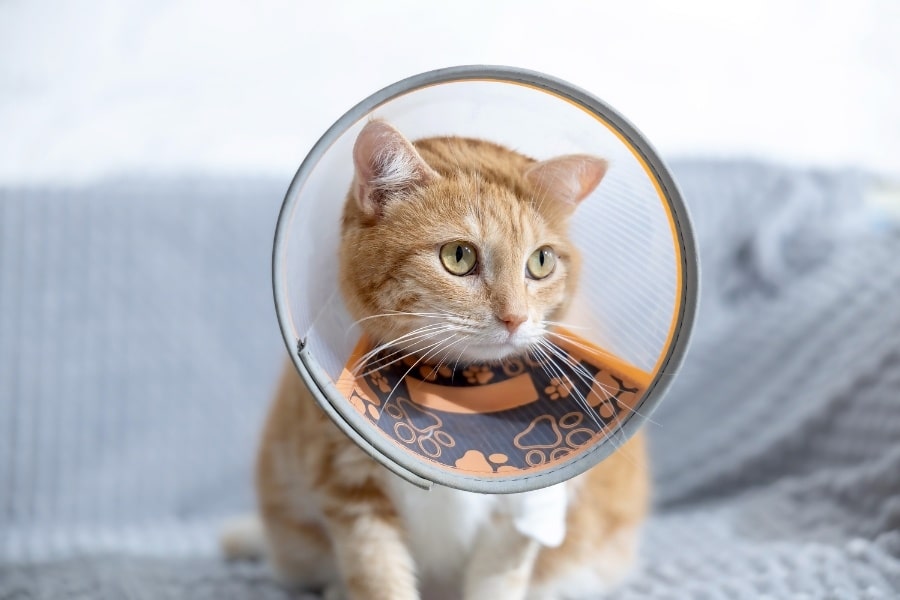
Even when an incision is small, your pet may need time to heal internally. Preventing licking or chewing, limiting jumping and running, and following discharge instructions can help reduce the risk of complications.
Contact your veterinary team if you notice increasing redness or swelling, discharge, an incision opening, worsening discomfort, or other unexpected changes. Seek prompt veterinary advice if your pet seems unusually weak, repeatedly vomits, or has difficulty breathing.
Before surgery, ask how long recovery may take, which activities should be restricted, and what signs would require a follow-up visit. These details are more useful than relying on incision size alone to estimate healing time.
Questions to Ask Before Your Pet’s Procedure
A clear conversation with your veterinarian can help you feel more confident about the plan. Consider asking:
- What is the main goal of the surgery?
- Are open and minimally invasive approaches both appropriate for this condition?
- What are the benefits and risks of each option for my pet?
- What type of pain management and home care will be needed?
- What is the expected recovery period, and when should I be concerned?
PetCare Veterinary Clinic can help you discuss your pet’s surgical needs and understand the factors involved in planning treatment. Schedule an appointment to talk through your concerns and determine the next steps for your pet’s care.
Frequently Asked Questions
Q1. What are the main differences between minimally invasive and open surgery for pets?
Ans: Minimally invasive surgery uses small incisions and specialized instruments, often with a camera, while open surgery involves a larger incision to access the surgical area directly. The appropriate approach depends on the procedure and the pet’s condition.
Q2. Is minimally invasive surgery always better than open surgery for pets?
Ans: No. Minimally invasive techniques may offer benefits such as smaller incisions and potentially shorter recovery for certain procedures. However, open surgery may provide better access or be more appropriate in other cases. The veterinarian will recommend an approach based on the pet’s individual needs.
Q3. How long does it take for pets to recover from surgery?
Ans: Recovery time varies depending on the procedure, surgical technique, the pet’s overall health, and any complications. Some pets recover relatively quickly, while others need more time, medication, and activity restrictions. Following the veterinarian’s aftercare instructions helps support healing.
Q4. How does PetCare Veterinary Clinic determine which surgical approach is right for a pet?
Ans: The veterinary team considers the pet’s condition, medical history, overall health, and the requirements of the procedure. These factors help guide recommendations and determine which surgical approach may be appropriate.
Q5. What information should I share with PetCare Veterinary Clinic before my pet’s surgery?
Ans: Share your pet’s medical history, current medications and supplements, known medication or anesthesia reactions, and any recent changes in appetite, energy, or behavior. This information helps the veterinary team plan appropriate care.
Q6. How can I prepare my pet for surgery at PetCare Veterinary Clinic?
Ans: Before surgery, discuss the procedure and any concerns with the veterinary team. Follow the clinic’s specific instructions about food, water, medications, and arrival time. You should also ask about post-surgical care, activity restrictions, and signs to monitor during recovery.