1022 Douglas Blvd. Roseville, CA 95678


A Pet Parent’s Guide to Cat Teeth Count and Dental Stages
Cats depend on healthy teeth for eating, grooming, play, and comfort. This guide explains how many teeth cats have, how those teeth change from kittenhood to adulthood, what each dental stage looks like, and how daily care supports long-term wellness.
You will learn the types of teeth, common timelines, signs of trouble, simple home care steps, and when professional help matters. The goal is clarity without jargon, so every pet parent can feel confident about oral care and pet dentistry from day one. We proudly support families in Roseville, CA.
Understanding Cat Tooth Counts
Pet parents often ask about tooth totals at different ages. Kittens start with baby teeth that fall out, then adult teeth arrive. Counting teeth gives insight into growth and comfort, so regular checks become a simple habit that pays off over a lifetime.
Kitten Teeth: The First Set
Kittens develop 26 baby teeth. These tiny teeth appear between two and six weeks of age. They include incisors for nibbling, canines for gripping, and premolars for shearing soft food.
Around three to four months, baby teeth loosen and drop. Some kittens swallow them during meals, which is normal. During this phase, gums may look pink and tender. Offer soft food, safe chew toys, and short brushing sessions to build comfort.
Adult Teeth: The Permanent Smile
Adult cats have 30 teeth. Four incisors sit in front, four canines anchor the bite, ten premolars handle slicing, and two molars help crush food.
Knowing how many teeth cats have helps owners spot missing teeth, crowding, or lingering baby teeth. Early notice prevents irritation and supports lifelong comfort.
Dental Stages From Birth to Senior Years
Newborn to Eight Weeks
Newborn kittens have no teeth. Nursing builds jaw strength. Baby teeth arrive in a predictable order. During this period, touch the lips gently so future mouth checks feel familiar.
Three to Six Months
This is the teething window. Baby teeth fall out while adult teeth emerge. Expect mild drooling, pawing at the mouth, or a brief dip in appetite. Provide soft meals, cold-safe toys, and short, calm brushing with a kitten brush.
One to Seven Years
Adult teeth settle. Daily care matters most here. Brushing several times weekly, dental treats, and water additives support fresh breath. Annual exams guide pet dentistry plans that fit your cat’s habits.
Eight Years and Beyond
Senior cats may show wear, sensitivity, or tartar buildup. Appetite changes, quieter chewing, and head tilting during meals signal discomfort. Gentle care, softer foods, and regular checkups protect quality of life.
Tooth Types and Their Roles
Incisors help pick up food and groom fur. Canines grasp toys and hold prey. Premolars and molars slice and crush.
Simple Home Care That Makes a Difference
Start with short sessions and praise. Use a cat-safe toothpaste and a soft brush or finger wrap. Lift the lip, brush along the gum line, and stop before stress builds.
Signs Your Cat Needs Dental Attention
Bad breath that lingers, red gums, yellow buildup, dropping food, or hiding during meals deserve a closer look. Weight loss, pawing at the mouth, or sudden irritability also matter. Early care saves time and keeps smiles bright.
Building a Lifelong Dental Routine
Understanding how many teeth cats have empowers smart choices at every age. Track milestones, brush gently, and watch for changes. Keep notes about appetite, play, and breath. Small habits add up to big comfort. When questions arise, ask early right now. Your cat depends on you for a healthy mouth and a happy life today.
Conclusion
Your cat’s teeth tell a story about comfort, nutrition, and joy. By learning the dental stages, counting teeth, and practicing steady care, you protect more than a smile. You support play, grooming, and confident eating.
Pet dentistry works best when owners stay observant and consistent. From kitten teething to senior sensitivity, thoughtful routines keep mouths healthy. We are conveniently located in Roseville, CA, and welcome you to our location at 1022 Douglas Blvd, Roseville, CA 95678 — where compassionate care and community come together for your pet’s well-being. Schedule an appointment with PetCare Veterinary Clinic.
Frequently Asked Questions
1. How many teeth do cats have as kittens and adults?
Kittens carry 26 baby teeth, while adults have 30 permanent teeth. The change happens around three to six months. Checking during this period helps you notice loose teeth, tender gums, or crowding, so comfort stays high while adult teeth settle.
2. When should I start brushing my cat’s teeth?
Begin as early as possible, even before adult teeth arrive. Short, gentle sessions teach acceptance. Aim for several times each week. Pair brushing with rewards, calm voices, and routine timing so oral care becomes familiar, quick, and stress-free.
3. What foods support healthy teeth?
Crunchy kibble designed for dental care, textured treats, and fresh water help reduce plaque. Wet food supports hydration. A mix works for cats. Focus on consistent brushing and portion control, since daily habits influence mouth health more than any single menu.
4. Is bad breath normal in cats?
Mild odor after meals can happen. Strong, lasting breath often signals buildup or gum irritation. Look for redness, drooling, or changes in eating. If the odor stays for several days, plan a check so small concerns do not grow.
5. Can I skip professional cleanings if I brush at home?
Home care helps, yet it cannot remove hardened tartar below the gum line. Periodic professional cleanings complement brushing, protect hidden surfaces, and support comfort. Together, home routines and cleanings create the strongest defense against plaque and sore gums.
6. What does a dental check include?
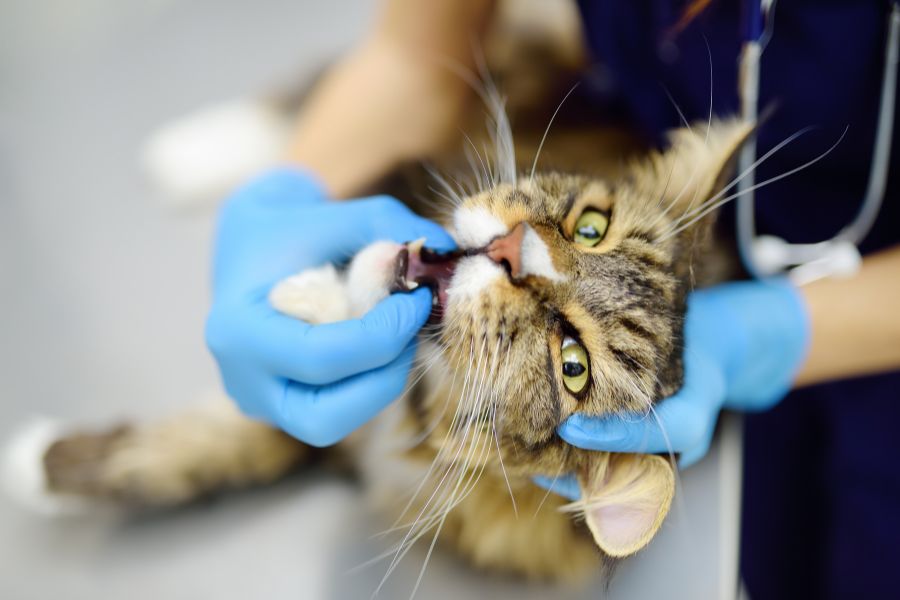
A dental check reviews teeth, gums, bite, and comfort. The team notes plaque, sensitivity, and missing teeth, then shares a plan that fits your cat’s age, diet, and home routine, with clear steps you can follow.