1022 Douglas Blvd. Roseville, CA 95678


The Link Between Gum Disease and Overall Health in Pets
Healthy gums do more than support a bright smile in pets. The condition of the gums often reflects what is happening inside the body. Infections that begin around the teeth can affect organs, energy levels, and comfort. This article explains how gum disease develops, how it can influence the heart, kidneys, and daily behavior, and what pet families can do to reduce the risk.
You will also learn practical home habits, warning signs to watch, and when a professional dental exam matters most. Awareness of pet dental health helps owners protect comfort and longevity for dogs and cats living with families in Roseville, CA.
Understanding Gum Disease
Gum disease begins quietly along the gumline. Food particles mix with bacteria and form a sticky film called plaque. If plaque remains, it hardens into tartar that irritates the gums. Redness, swelling, and bleeding may appear during chewing or brushing.
Many pets continue eating, so the issue stays hidden from families. Over time, the irritated tissue pulls away from teeth and creates small pockets. Bacteria collect in these spaces and deepen the infection. Pain increases, breath smells stronger, and chewing may shift to one side of the mouth. Some pets drop kibble or avoid crunchy treats.
Without care, bacteria can enter the bloodstream and travel through the body. This stage connects oral infection with wider health concerns that many owners never expect.
How Gum Disease Affects the Body
The mouth holds thousands of bacteria. Inflamed gums create an open doorway for those microbes. Once inside the bloodstream, they circulate to sensitive organs.
Research links long-term gum infections with heart strain, kidney stress, and reduced immune strength. Pets may appear tired, less playful, or reluctant to eat. Owners sometimes think these changes come from aging alone.
Chronic mouth pain also affects mood. Dogs may resist toys. Cats may hide in quiet spaces. In multi-pet homes, a normally social animal might withdraw. Midway through a pet’s life, routine oral exams become important for spotting these hidden links and protecting long-term pet dental health. Small daily observations by owners often reveal the first clues.
Signs Pet Owners Often Notice
Bad breath usually becomes the earliest clue. A sour or metallic smell lingers after meals. Gums may look darker pink or slightly red near the teeth.
Some pets paw gently at the mouth. Others chew slower than usual. Drooling may increase. A thin line of yellow tartar might appear along the gumline.
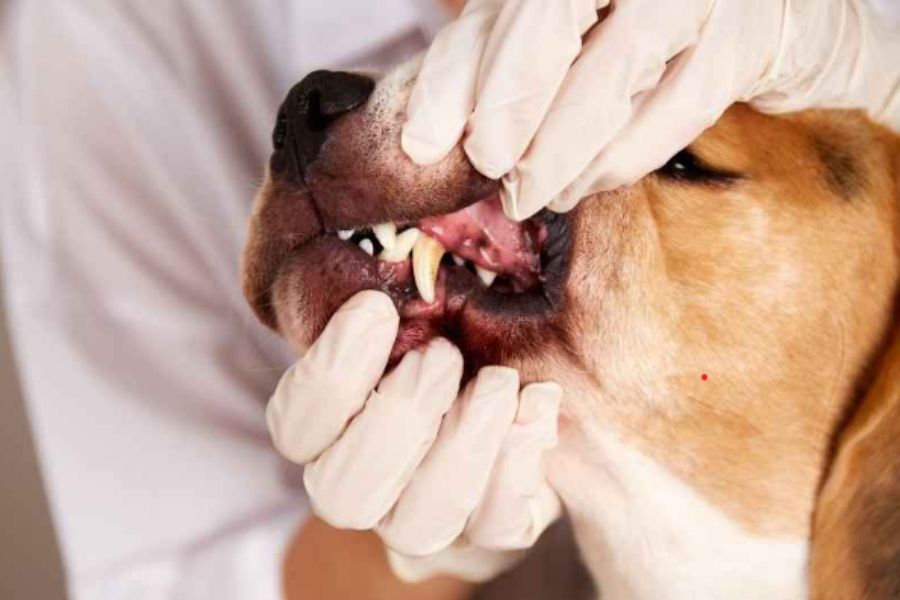
Owners in busy households often overlook these subtle changes. Short weekly mouth checks make detection easier. Lift the lip, observe gum color, and notice odor. Early attention prevents discomfort from growing into an infection.
Local Lifestyle Factors That Affect Oral Health
Daily routines influence gum health more than many owners realize. Pets living in active suburban neighborhoods often enjoy park walks, backyard play, and shared treats from family meals. Crunchy table scraps or sticky snacks can cling to teeth and feed bacteria.
Busy work schedules also limit brushing routines. Weekend hikes and outdoor adventures sometimes mean pets chew on random sticks or debris. These habits irritate gums and create tiny injuries where bacteria settle.
Families who schedule short grooming moments during the week notice cleaner teeth and fresher breath. A quick brush after evening walks or weekend park visits keeps plaque from building up. Community awareness about oral care continues growing as more owners recognize that mouth infections influence whole body wellness.
Consistent home care paired with professional exams builds a dependable routine that protects pets across every life stage from playful youth to calm senior years with steady comfort and healthy gums each passing year for local pets everywhere.
Prevention Starts at Home
Simple habits protect gums every day. Brushing a pet’s teeth several times each week removes plaque before it hardens. Dental chews designed for pets also help scrape buildup. Fresh water and balanced nutrition support stronger tissues.
Professional cleanings add deeper protection. During a clinic visit, trained staff remove hardened tartar and examine the full mouth. X-rays sometimes reveal hidden damage below the gumline.
Pet owners who want guidance on prevention can explore the complete services offered by PetCare Veterinary Clinic through its website. The online pages explain wellness care, dental support, diagnostics, and everyday health resources that help families make confident decisions for their pets.
Conclusion
Gum disease rarely stays limited to the mouth. Small daily habits and routine dental visits protect comfort, appetite, and energy for years. Attentive owners who watch early signs give pets a healthier future.
We are conveniently located in Roseville, CA, and welcome you to our facility at 1022 Douglas Blvd, Roseville, CA 95678—where compassionate care and community come together for your pet’s well-being. Book an appointment with PetCare Veterinary Clinic to support lifelong comfort and strong smiles for your pet.
Frequently Asked Questions(FAQs):
1. How often should pets receive dental exams?
A: Most clinics suggest yearly dental checks for adult pets. Senior animals or breeds prone to tartar may benefit from exams every six months to catch gum irritation early and reduce the chance of infection.
2. Can gum disease shorten a pet’s lifespan?
A: Yes. Long-term oral infection allows bacteria to circulate through the bloodstream. Over the years, this stress can burden the heart, kidneys, and immune defenses, reducing comfort, energy, and overall longevity.
3. What breeds develop gum disease faster?
A: Small dog breeds and flat-faced cats often collect plaque quickly because of crowded teeth. Regular brushing, dental treats, and scheduled professional cleanings greatly lower the chance of severe infection.
4. Are bad breath and gum disease always connected?
A: Persistent odor usually signals bacterial buildup along the gums. Occasional smell after meals may fade, yet a strong daily odor deserves a dental check to protect safety and comfort.
5. Do dental chews replace brushing?
A: No. Chews reduce plaque on chewing surfaces, yet they cannot clean beneath the gumline. Gentle brushing reaches hidden areas and protects gums from deeper bacterial buildup over time.
6. When should a pet visit a clinic for dental pain?
A: Seek care if a pet refuses food, drools excessively, paws at the mouth, or shows swollen, bleeding gums. Early treatment reduces infection and restores comfort.