1022 Douglas Blvd. Roseville, CA 95678


Why Consistent Veterinary Checkups Are Key to Pet Health
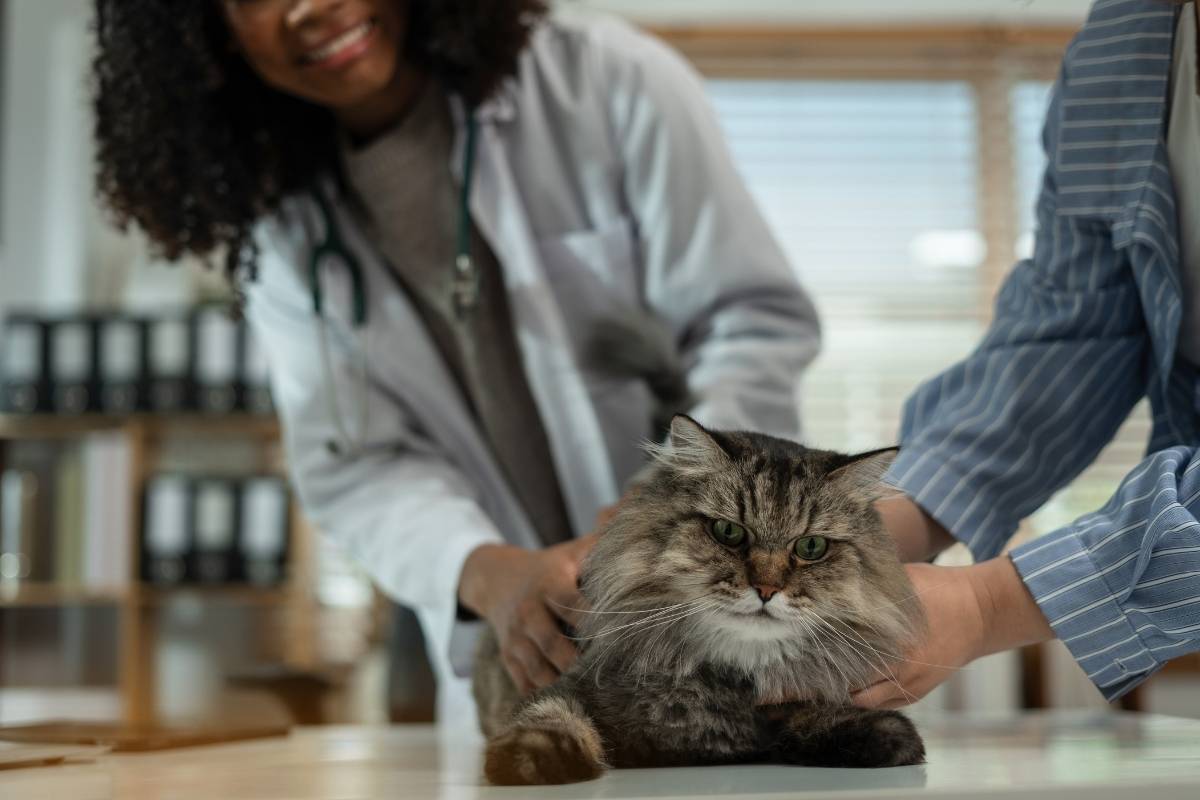
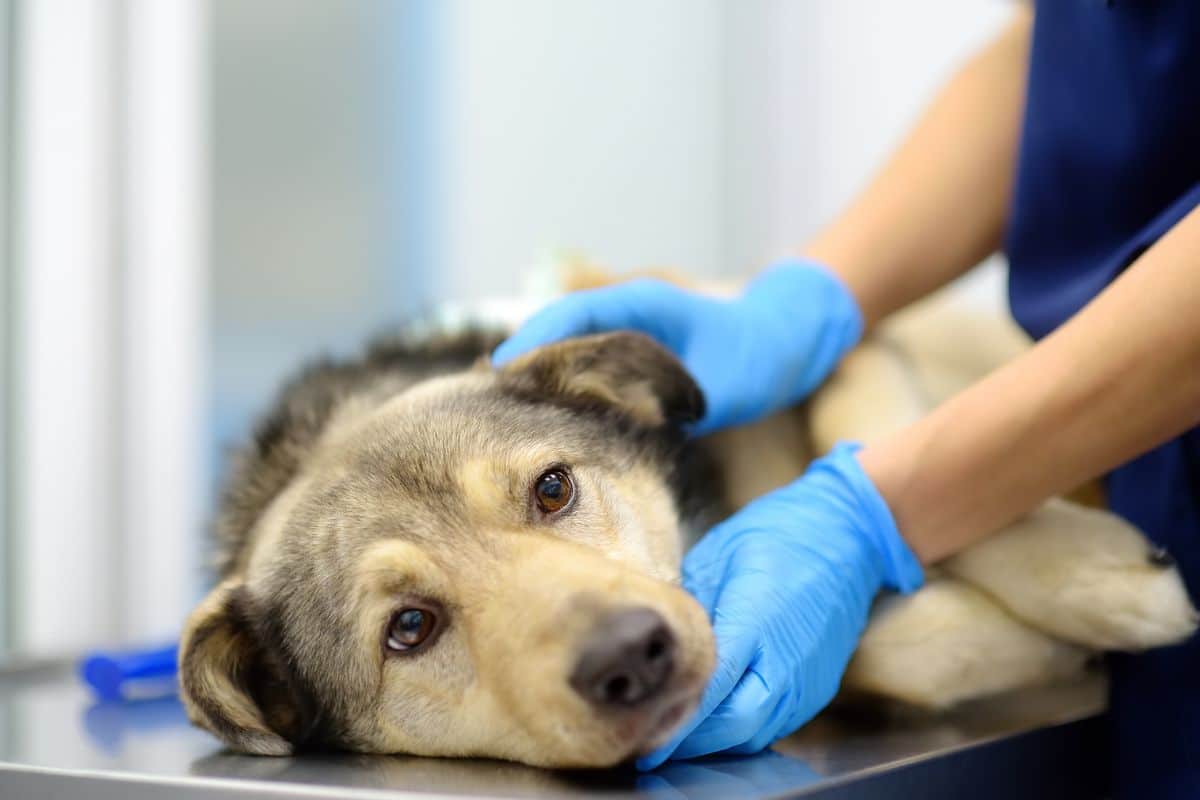
Every pet owner wants to see their furry companion happy, active, and thriving. While love, proper nutrition, and regular exercise play a major role, one of the most important aspects of lifelong pet wellness is consistent visits to the vet. Routine checkups are more than just a formality, they are a proactive approach to keeping your pet healthy and preventing potential issues before they become serious.
For pet owners seeking reliable care, visiting a trusted veterinary clinic in Roseville ensures your pet receives personalized attention and expert guidance at every stage of life.
Why Routine Vet Visits Matter More Than You Think
Many health conditions in pets develop silently, without obvious symptoms. A pet may appear perfectly healthy while underlying issues are slowly progressing. Regular visits to the vet allow for early detection of these hidden concerns.
During routine exams, your vet checks for:
- Subtle weight changes
- Early signs of dental disease
- Skin and coat abnormalities
- Heart and respiratory irregularities
Just like humans benefit from annual health checkups, pets also need consistent evaluations to maintain optimal health. Early diagnosis often leads to simpler treatments, better outcomes, and reduced medical costs.
Preventive Care: A Smart Investment in Your Pet’s Future
Preventive care is the foundation of long-term pet health. Rather than waiting for symptoms to appear, regular checkups focus on stopping problems before they start.
A typical preventive care visit may include:
- Comprehensive physical examinations
- Vaccinations and booster updates
- Parasite prevention and screenings
- Nutritional and weight assessments
- Blood tests for early disease detection
Addressing minor concerns early not only saves time and money but also spares your pet unnecessary discomfort. Preventive care ensures your pet enjoys a longer, healthier, and more active life.
The Importance of Wellness Exams
Wellness exams provide a complete overview of your pet’s health. These exams allow your vet to monitor your pet’s physical condition over time and identify even the smallest changes.
During a wellness exam, your vet evaluates:
- Heart rate and breathing
- Joint flexibility and mobility
- Eye, ear, and oral health
- Skin and coat condition
Over time, these regular assessments build a detailed health history, making it easier to detect abnormalities and adjust care plans accordingly. Consistent monitoring plays a key role in improving your pet’s longevity and quality of life.
Nutrition and Lifestyle Guidance for Every Life Stage
Pets have different nutritional and lifestyle needs depending on their age, breed, and activity level. Regular visits to the vet provide an opportunity to tailor your pet’s care accordingly.
For example:
- Puppies and kittens need nutrient-rich diets for growth and development
- Adult pets require balanced nutrition to maintain weight and energy
- Senior pets benefit from specialized diets and joint support
Your vet can also recommend appropriate exercise routines and enrichment activities. These personalized recommendations help your pet stay physically fit and mentally stimulated throughout their life.
Dental Health: A Vital Yet Overlooked Factor
Dental health is often underestimated but plays a critical role in your pet’s overall well-being. Poor oral hygiene can lead to infections, pain, and even organ damage if left untreated.
Routine checkups help detect:
- Plaque and tartar buildup
- Gum inflammation
- Broken or infected teeth
Maintaining good dental health not only improves your pet’s comfort but also supports their overall vitality. Regular dental evaluations ensure issues are addressed before they escalate.
Understanding Behavioral Changes
Behavioral changes can be early warning signs of underlying health issues. If your pet suddenly becomes less active, more aggressive, or withdrawn, it’s important to discuss these changes with your vet.
Your vet can determine whether the behavior is caused by:
- Pain or discomfort
- Illness or hormonal changes
- Environmental stress or anxiety
By addressing both medical and behavioral factors, you can ensure your pet receives well-rounded care that supports both physical and emotional health.
Building a Safety Net for Emergencies
Even with consistent preventive care, unexpected situations can arise. Having an established relationship with a trusted vet ensures that your pet’s medical history is readily available in case of emergencies.
This familiarity allows for quicker diagnosis and more effective treatment when urgent care is needed. Regular visits help create a dependable support system for your pet’s health.
Strengthening the Bond Between You and Your Pet
Regular veterinary visits do more than maintain physical health they strengthen the bond between you, your pet, and your care team. When your pet becomes familiar with the vet and clinic environment, visits become less stressful and more comfortable.
This positive experience contributes to better overall care and ensures your pet remains calm and cooperative during examinations.
Taking the Next Step in Your Pet’s Care
Consistent checkups are essential for maintaining your pet’s health and happiness. They provide an opportunity to monitor changes, receive expert advice, and ensure your pet is on the right track.
If it’s been a while since your pet’s last visit, now is the perfect time to schedule an appointment with a trusted vet and prioritize their well-being. A proactive approach today can make a significant difference in your pet’s future.
FAQs
1. How often should I take my pet to the vet?
Ans: Most pets should visit the vet at least once a year. Senior pets or those with health conditions may require more frequent visits.
2. Why are regular veterinary checkups important?
Ans: Regular checkups help detect health issues early, provide preventive care, and ensure your pet maintains optimal health throughout their life.
3. What happens during a routine vet visit?
Ans: A routine visit typically includes a physical exam, vaccination updates, dental checks, and discussions about diet and lifestyle.
4. Can regular vet visits really extend my pet’s life?
Ans: Yes, early detection and preventive care significantly improve your pet’s chances of living a longer and healthier life.
5. What are signs my pet needs to see a vet sooner?
Ans: Changes in appetite, behavior, energy levels, or physical appearance are all signs that your pet should be examined by a vet.
6. Is dental care really necessary for pets?
Ans: Absolutely. Dental health affects overall wellness, and untreated issues can lead to serious complications.