1022 Douglas Blvd. Roseville, CA 95678


10 Essential Tips for Keeping Senior Dogs Healthy and Happy
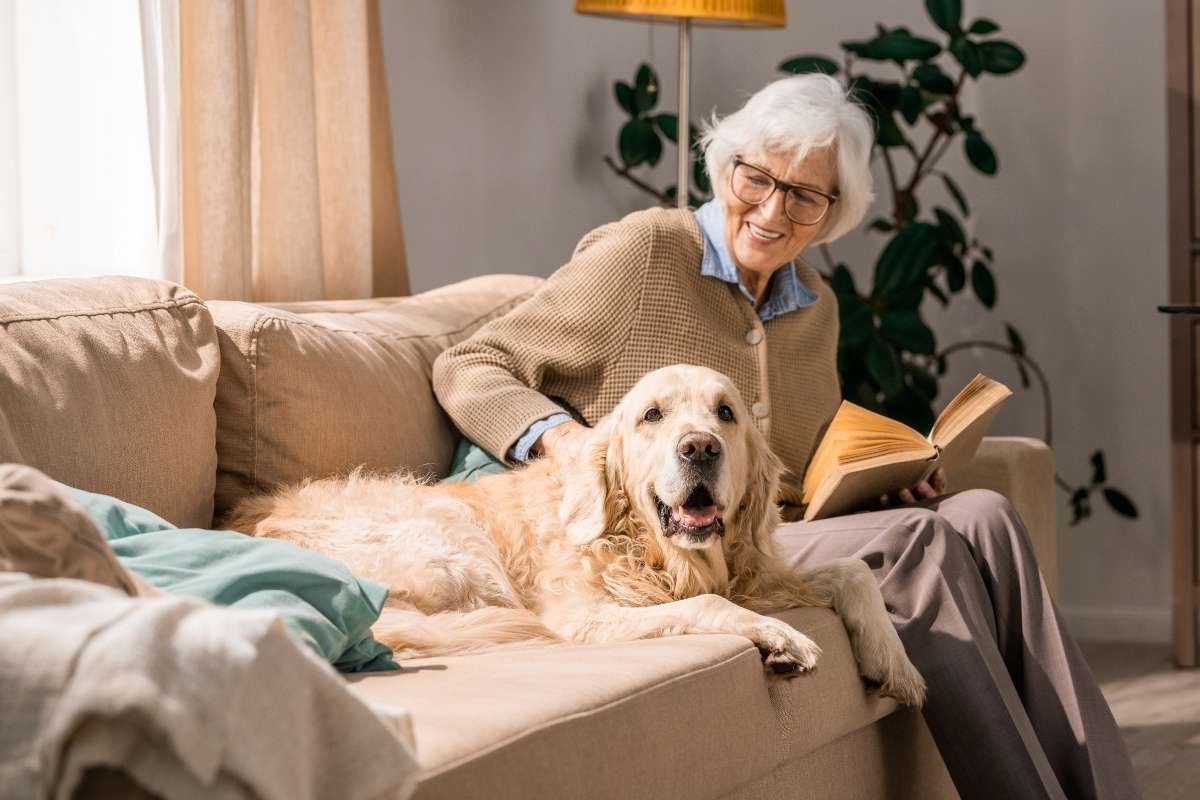
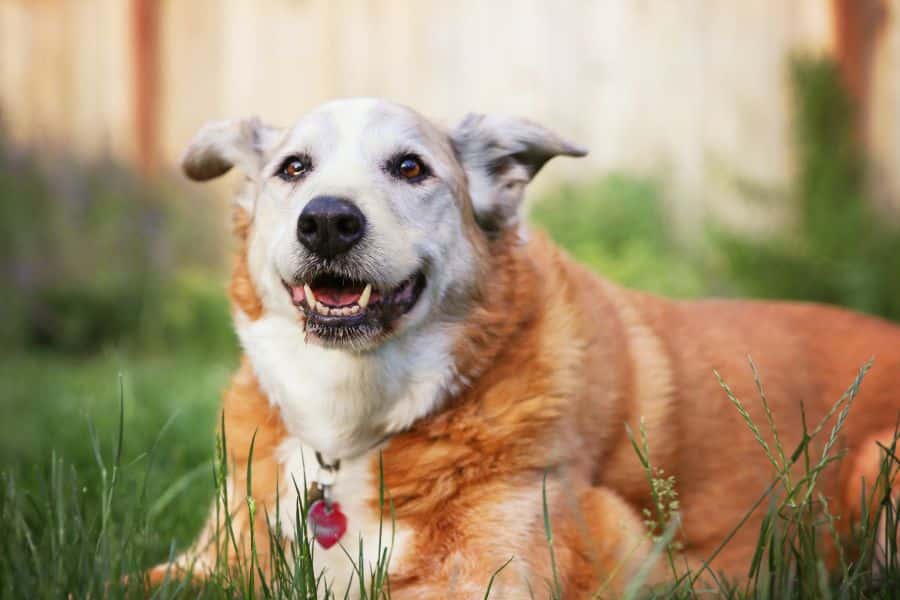
As dogs grow older, their needs begin to change. Senior dogs may slow down physically, develop age-related health conditions, or require more comfort and attention than they did in their younger years. However, aging doesn’t mean your pet can’t continue enjoying a happy, active, and fulfilling life. With the right care, nutrition, and regular veterinary support, senior dogs can remain healthy companions for many years.
At PetCare Veterinary Clinic in Roseville, we believe preventive care and early attention are key to helping aging pets thrive. Here are 10 essential tips to help keep your senior dog healthy and happy.
1. Schedule Regular Veterinary Checkups
Routine wellness exams become increasingly important as dogs age. Senior dogs are more prone to conditions such as arthritis, kidney disease, diabetes, heart disease, and dental issues. Regular veterinary visits allow early detection and treatment before these problems become severe.
Most veterinarians recommend checkups every six months for senior pets. These visits may include:
- Physical examinations
- Bloodwork and urine testing
- Weight monitoring
- Dental evaluations
- Mobility assessments
Early diagnosis often improves treatment outcomes and helps your dog maintain a better quality of life.
2. Feed a High-Quality Senior Dog Diet
Nutrition plays a major role in supporting aging dogs. Senior dogs typically require fewer calories due to lower activity levels, but they still need nutrient-rich meals to maintain muscle mass, joint health, and immune function.
Look for dog food specifically formulated for senior pets. These diets often contain:
- Controlled calorie levels
- High-quality protein
- Omega-3 fatty acids
- Joint-support ingredients like glucosamine
- Easily digestible ingredients
Avoid overfeeding, as obesity can worsen arthritis and other age-related conditions. Your veterinarian can help determine the best diet based on your dog’s breed, size, and health status.
3. Keep Your Dog Physically Active
Even though senior dogs may not have the same energy levels as puppies, regular exercise is still essential. Gentle physical activity helps:
- Maintain healthy weight
- Support joint mobility
- Improve circulation
- Reduce anxiety and boredom
- Preserve muscle strength
Short walks, light play sessions, swimming, and low-impact activities are ideal for older dogs. Avoid overly strenuous exercise, especially in hot weather.
Pay attention to signs of discomfort such as limping, excessive panting, or stiffness after activity. Adjust exercise routines to fit your dog’s abilities.
4. Watch for Changes in Behavior
Subtle behavioral changes can sometimes signal underlying health problems in senior dogs. Pet owners should monitor for symptoms such as:
- Increased sleeping
- Confusion or disorientation
- Loss of appetite
- House-training accidents
- Anxiety or restlessness
- Irritability or withdrawal
Cognitive dysfunction syndrome, similar to dementia in humans, can affect older dogs. Early intervention may help slow progression and improve your pet’s comfort.
If you notice unusual changes, it may be time to book an appointment with your veterinarian for a thorough evaluation.
5. Prioritize Dental Health
Dental disease is extremely common in older dogs and can lead to pain, infections, and difficulty eating. Poor oral health may also contribute to heart, liver, and kidney issues.
Signs of dental problems include:
- Bad breath
- Red or bleeding gums
- Loose teeth
- Excessive drooling
- Trouble chewing
Regular professional dental cleanings and daily at-home brushing can greatly improve your dog’s oral health. Dental chews and veterinarian-approved oral care products may also help reduce plaque buildup.
6. Support Joint and Mobility Health
Arthritis and joint stiffness are among the most common issues affecting senior dogs. Difficulty climbing stairs, reluctance to jump, or slower movement may indicate joint discomfort.
There are several ways to help support mobility:
- Provide orthopedic bedding
- Use pet ramps or stairs
- Keep nails trimmed for better traction
- Add rugs on slippery floors
- Discuss joint supplements with your veterinarian
In some cases, medications, laser therapy, or rehabilitation treatments may help relieve pain and improve mobility.
7. Maintain a Healthy Weight
Extra weight places unnecessary stress on aging joints and internal organs. Senior dogs who are overweight are at greater risk for:
- Diabetes
- Heart disease
- Arthritis complications
- Breathing difficulties
On the other hand, sudden weight loss can also signal serious illness. Monitoring your dog’s body condition and weight is an important part of senior pet care.
Measure meals carefully, limit excessive treats, and encourage gentle activity to help your dog stay within a healthy weight range.
8. Create a Comfortable Home Environment
As dogs age, comfort becomes increasingly important. Small adjustments around the home can make a big difference in your senior pet’s daily life.
Helpful changes may include:
- Orthopedic dog beds
- Elevated food and water bowls
- Easy access to favorite resting spots
- Temperature-controlled indoor spaces
- Quiet areas away from household stress
Senior dogs may also become more sensitive to cold weather, so keeping them warm and comfortable is essential.
9. Keep Their Mind Engaged
Mental stimulation is just as important as physical exercise for older dogs. Keeping your senior pet mentally active may help reduce boredom and cognitive decline.
Simple enrichment activities include:
- Puzzle toys
- Gentle training sessions
- Scent games
- Interactive feeding toys
- Short social outings
Consistency and positive interaction help strengthen your bond while keeping your dog emotionally fulfilled.
10. Give Plenty of Love and Attention
Senior dogs often become more attached to their owners as they age. Spending quality time together provides comfort, reassurance, and emotional well-being.
Gentle grooming, calm walks, cuddling, and maintaining routines can help your dog feel secure. Even small moments of affection can improve your pet’s happiness and reduce stress.
Remember that aging pets may need more patience and understanding. Supporting them through their senior years is one of the most rewarding parts of pet ownership.
Signs Your Dog May Be Entering the Senior Stage
Dogs age at different rates depending on breed and size. In general:
- Small breeds are considered senior around 10–12 years
- Medium breeds around 8–10 years
- Large breeds around 6–8 years
Common signs of aging include:
- Gray hair around the face
- Reduced activity levels
- Weight changes
- Hearing or vision loss
- Stiffness after resting
- Increased sleeping
Recognizing these changes early allows you to adapt your pet’s care routine accordingly.
Why Preventive Care Matters for Senior Dogs
Preventive veterinary care can significantly improve both lifespan and quality of life for senior pets. Many diseases are more manageable when caught early, which is why regular exams, bloodwork, and wellness monitoring are so valuable.
Senior dogs deserve proactive care tailored to their changing needs. Working closely with your veterinary team helps ensure your pet remains comfortable, active, and healthy throughout their golden years.
At PetCare Veterinary Clinic, our team is committed to helping pets in Roseville receive compassionate care at every stage of life.
FAQs
1. At what age is a dog considered a senior?
Ans: The age varies by breed and size. Small dogs are typically considered seniors around 10 years old, while large breeds may enter their senior years around 6 or 7.
2. How often should senior dogs visit the vet?
Ans: Most senior dogs should have wellness exams every six months to monitor for age-related health issues and ensure early treatment when needed.
3. What is the best food for senior dogs?
Ans: Senior dogs benefit from high-quality diets that support joint health, digestion, and weight management. Your veterinarian can recommend the best option for your pet’s specific needs.
4. How can I help my senior dog with arthritis?
Ans: Maintaining a healthy weight, providing gentle exercise, using orthopedic bedding, and discussing joint supplements or medications with your veterinarian can help manage arthritis discomfort.
5. Why is my senior dog sleeping more?
Ans: Older dogs naturally sleep more as energy levels decrease. However, excessive sleeping combined with appetite loss, confusion, or behavior changes should be evaluated by a veterinarian.
6. Can senior dogs still exercise regularly?
Ans: Yes. Low-impact activities such as short walks and gentle play help maintain mobility, muscle strength, and overall health in senior dogs.