1022 Douglas Blvd. Roseville, CA 95678


Effective Ways to Stop Cats from Scratching Furniture Naturally
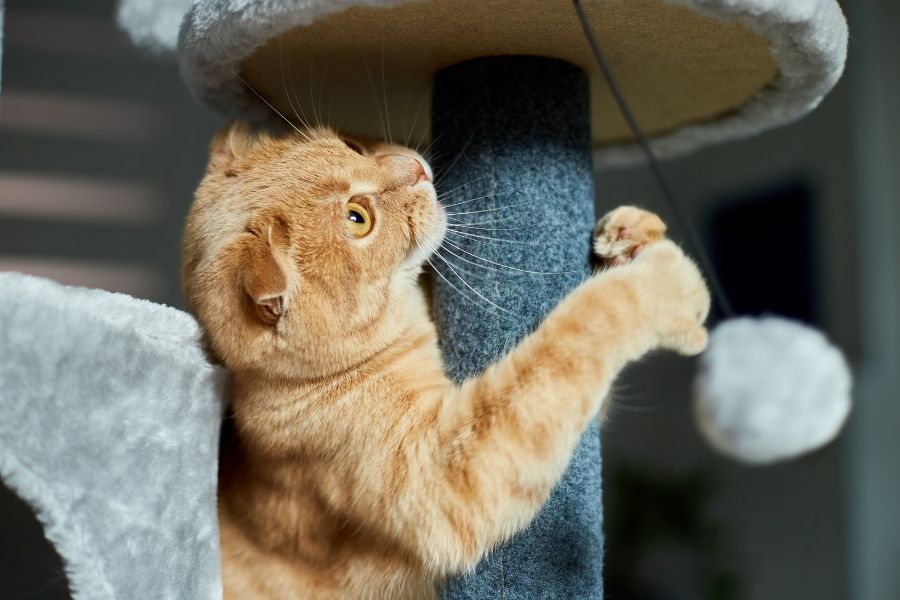
If you share your home with a cat, you have likely faced the frustration of scratched sofas, damaged chair legs, or torn curtains. While it may feel like destructive behavior, scratching is a normal and necessary part of a cat’s life. The good news is that with the right approach, you can protect your furniture without harming your cat’s well-being.
This guide offers clear, natural, and practical solutions to help you understand how to stop cats from scratching furniture while respecting their instincts.
Why Do Cats Scratch Furniture?
Before solving the problem, it helps to understand the reason behind it. Scratching is not random or done out of spite. It serves several important purposes.
1. Natural Instinct and Claw Health
Cats scratch to remove the outer layer of their claws. This keeps their claws sharp and healthy. Without regular scratching, claws can become overgrown or uncomfortable.
2. Marking Territory
Cats have scent glands in their paws. When they scratch, they leave both a visual mark and a scent signal. This helps them feel secure in their environment.
3. Stretching and Exercise
Scratching allows cats to stretch their muscles, especially in their back, shoulders, and legs. It’s part of their daily physical routine.
4. Stress Relief
Scratching can help cats release tension or anxiety. Changes in the home, new pets, or unfamiliar visitors may increase scratching behavior.
Understanding these reasons makes it easier to approach the issue with patience and realistic expectations.
How Do I Stop Cat Scratching Furniture?
The key is not to stop scratching entirely, but to redirect it to appropriate surfaces. Below are natural and effective methods that work with your cat’s instincts.
Provide Better Scratching Alternatives
Choose the Right Scratching Post
Not all scratching posts are equal. Cats prefer certain textures and heights.
- Tall posts for full-body stretching
- Sturdy bases that don’t wobble
- Materials like sisal, cardboard, or wood
Place scratching posts near areas your cat already targets. If your cat scratches the sofa, position a post right next to it.
Offer Variety
Some cats prefer vertical posts, while others like horizontal scratch pads. Offering both increases the chance your cat will use them.
Make Furniture Less Appealing
Use Natural Deterrents
Cats dislike certain textures and smells. You can use this to your advantage.
- Double-sided tape on scratching areas
- Aluminum foil on armrests
- Citrus-based sprays (cats dislike citrus scent)
These methods are safe and discourage repeated scratching.
Rearrange the Environment
Sometimes, a simple change in layout can help. Move furniture slightly or block access temporarily while your cat learns new habits.
Train with Positive Reinforcement
Training works best when it rewards good behavior rather than punishing bad behavior.
Reward the Right Behavior
When your cat uses the scratching post:
- Offer treats
- Give verbal praise
- Use gentle petting
Consistency builds strong habits over time.
Redirect Gently
If your cat starts scratching furniture, calmly guide them to the scratching post. Avoid yelling or punishment, as this can increase stress and worsen the behavior.
Keep Your Cat Engaged
A bored cat is more likely to develop unwanted habits.
Provide Daily Playtime
Interactive toys help burn energy and reduce stress. Try:
- Feather wands
- Laser pointers
- Puzzle toys
Play sessions also strengthen your bond with your cat.
Enrich the Environment
Add climbing structures, window perches, or hiding spots. A stimulating environment reduces the need for destructive behavior.
Maintain Claw Care
Regular claw maintenance plays a big role in reducing damage.
Trim Your Cat’s Nails
Trim your cat’s nails every few weeks. Shorter nails cause less damage when scratching occurs.
If you are unsure how to do this safely, consider reaching out to a veterinary professional. You can also visit our website to learn more about safe grooming practices and when expert care may be needed.
Use Protective Solutions
Furniture Covers
Slipcovers or blankets can protect high-risk areas while you train your cat.
Nail Caps
Soft nail caps can be applied to your cat’s claws. These are safe and prevent scratching damage without affecting normal behavior.
Address Stress or Behavioral Changes
If scratching suddenly increases, look for underlying causes.
Common Triggers
- Moving to a new home
- New pets or family members
- Changes in routine
Providing a stable environment and maintaining routine helps reduce anxiety-related scratching.
When to Seek Help
If scratching becomes excessive or aggressive, consult a veterinarian or animal behavior expert. This ensures there are no underlying health concerns.
How to Stop Cats from Scratching Furniture Long-Term
Consistency is the most important factor. There is no overnight fix, but steady effort leads to lasting results.
Build a Routine
- Place scratching posts strategically
- Reward positive behavior daily
- Maintain regular playtime
Be Patient
Cats learn through repetition. Stay calm and consistent, even if progress feels slow.
Avoid Punishment
Punishment creates fear and confusion. It does not teach your cat what to do instead.
Common Mistakes to Avoid
Removing Scratching Options
Taking away scratching outlets will not stop the behavior. It will only redirect it to your furniture.
Using Harsh Methods
Spraying water or yelling can harm your relationship with your cat and increase stress.
Ignoring Early Signs
Address scratching behavior early before it becomes a habit.
Conclusion: A Balanced Approach Works Best
Learning how to stop cats from scratching furniture comes down to understanding your cat’s needs and positively guiding their behavior. Scratching is an instinct, not a problem to eliminate. The goal is to redirect it to appropriate surfaces while protecting your home.
By offering better alternatives, using natural deterrents, and reinforcing good habits, you create a comfortable environment for both you and your cat.
If scratching behavior seems unusual or linked to stress or health concerns, it may be time to take the next step. Book an appointment with a qualified veterinary professional to ensure your cat’s behavior is healthy and well-managed.
A thoughtful, consistent approach leads to lasting results—and a happier home for everyone.
Frequently Asked Questions(FAQs):
1. How long does it take to stop a cat from scratching furniture?
A: It depends on the cat and the consistency of training. Most cats show improvement within a few weeks when provided with proper alternatives and reinforcement.
2. What is the best material for a scratching post?
A: Sisal is widely preferred because it mimics natural textures and provides good resistance to clawing.
3. Are scratching sprays safe for cats?
A: Yes, natural deterrent sprays like citrus-based ones are generally safe. Always check labels and avoid harsh chemicals.
4. Can I train an older cat to stop scratching furniture?
A: Yes. Cats of all ages can learn new habits with patience and consistent reinforcement.
5. Why does my cat ignore the scratching post?
A: The post may not meet your cat’s preferences. Try different textures, heights, or placements.
6. Should I declaw my cat to stop scratching?
A: Declawing is not recommended. It can cause pain and long-term health issues. Natural alternatives are safer and more effective.