1022 Douglas Blvd. Roseville, CA 95678


When Your Pet Isn’t Acting Normal: Early Health Warning Signs

Pets rarely tell us when something feels wrong. They show us through behavior, appetite, energy, and subtle daily habits. A sudden change may be harmless. It may also signal an underlying pet disease that needs attention.
This guide explains the early warning signs many families overlook, how to observe changes at home, and when to seek help. You’ll also find practical tips tailored for pet owners in Roseville, CA.
Why “Not Normal” Matters
You know your pet’s routine better than anyone. You know how fast they greet you at the door, how eagerly they finish meals, and where they prefer to nap. A shift in those patterns deserves attention.
Small changes often appear before obvious symptoms. Acting early reduces discomfort and lowers treatment costs. Waiting can allow minor problems to grow into serious ones. Clear observation and timely action protect long-term health.
Subtle Behavioral Changes
1. Withdrawal or Clinginess
A social dog hiding under the bed. An independent cat demanding constant attention. Personality shifts can signal discomfort. Pain, stress, or illness may drive these changes.
Watch for:
- Avoiding interaction
- Sudden aggression
- Excessive vocalization
- Restlessness at night
These behaviors may appear before physical symptoms.
2. Changes in Energy
Low energy stands out in active pets. Slowing down during walks, refusing to climb stairs, or sleeping far more than usual deserves notice.
High energy can also signal trouble. Pacing, inability to settle, or unusual agitation may indicate pain or anxiety.
Appetite and Water Intake
Eating habits provide valuable clues.
- Skipping meals
- Eating significantly less
- Drinking far more water
- Sudden weight loss or gain
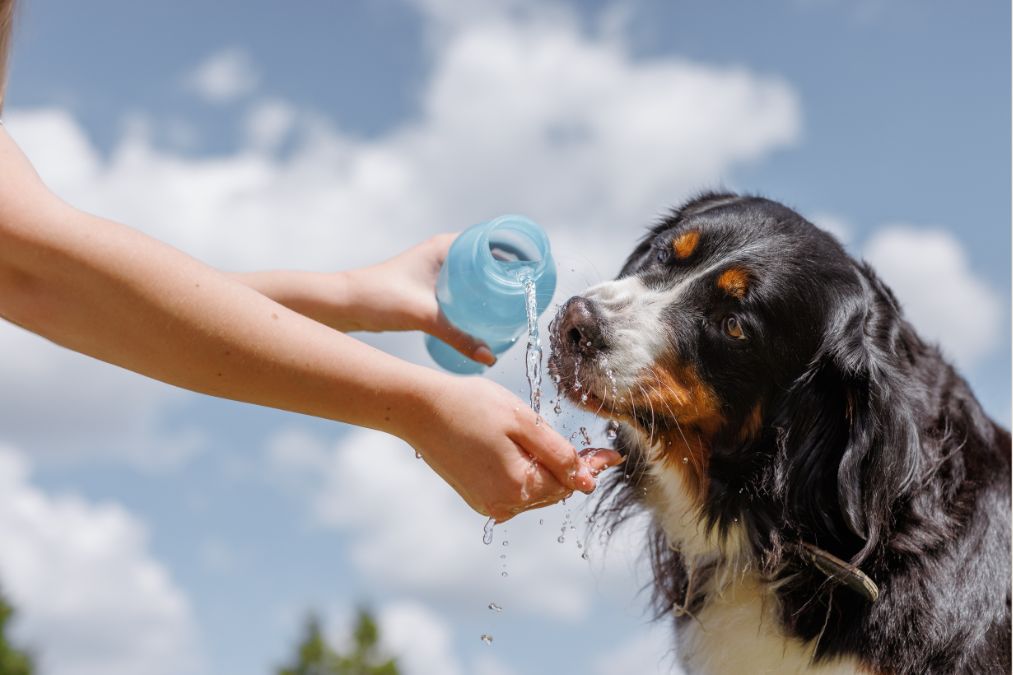
Hot California summers already increase thirst. Excessive drinking beyond seasonal heat should prompt a call to your clinic. Appetite shifts may point to digestive upset, dental discomfort, or deeper issues.
Digestive Changes
Occasional stomach upset happens. Persistent signs require attention.
- Vomiting more than once a day
- Diarrhea lasting longer than 24 hours
- Constipation
- Blood in stool
Track frequency and timing. Bring notes to your appointment. Clear information helps your care team assess patterns quickly.
Skin and Coat Clues
Your pet’s coat reflects internal health.
- Persistent scratching
- Red or inflamed skin
- Hair thinning
- New lumps or bumps
Dry summer air and local allergens can irritate skin. Constant licking or chewing often signals more than seasonal itching. Early exams prevent infection and discomfort.
Breathing and Mobility
Labored breathing, coughing, or wheezing are never normal. Reduced stamina during neighborhood walks may indicate heart or lung concerns.
Mobility changes deserve attention as well. Limping, stiffness after rest, or reluctance to jump into the car can signal joint pain. Early care keeps pets active longer.
Bathroom Habit Shifts
Litter box or house-training accidents in previously trained pets often indicate discomfort.
Watch for:
- Frequent urination
- Straining
- Crying while urinating
- Strong odor
Urinary concerns escalate quickly. Immediate evaluation reduces complications.
Eye and Ear Warning Signs
Cloudy eyes, discharge, redness, or squinting require attention.
Head shaking, ear odor, or dark discharge often point to infection. Untreated ear issues become painful fast.
When to Call for Help
Call your clinic if you notice:
- Symptoms lasting more than 24–48 hours
- Rapid decline in energy
- Difficulty breathing
- Uncontrolled vomiting or diarrhea
- Signs of pain
Trust your instincts. You spend the most time with your pet. If something feels off, it probably is.
How to Monitor at Home
Observation works best when organized.
- Record appetite and water intake.
- Track bathroom habits.
- Note behavior changes.
- Take photos of skin or swelling.
Clear records allow your care team to evaluate concerns accurately.
Seasonal and Local Considerations
Roseville families often enjoy outdoor parks and trails. Foxtails, heat exposure, and wildlife encounters create unique risks. Check paws after walks. Provide shade and fresh water during warm months. Keep vaccinations current.
Flea activity rises in warmer seasons. Prevention reduces discomfort and health risks. Year-round protection supports long-term wellness.
The Cost of Waiting
Delaying care increases risk. Minor infections become severe. Mild pain progresses into mobility issues. Early exams often reduce treatment intensity and expense.
Transparent communication matters. Ask questions. Request clear explanations. Understand options and estimated costs before proceeding. Informed decisions strengthen trust.
Preventive Care as Protection
Routine checkups identify early signs before they escalate. Bloodwork, dental exams, and weight monitoring reveal hidden concerns.
Even one annual visit makes a difference. Senior pets benefit from twice-yearly evaluations. Early detection reduces complications from pet disease and improves outcomes.
A Clear Path Forward
Concern about your pet’s behavior creates stress. Reliable information eases uncertainty. Comprehensive wellness exams, diagnostic services, and preventive programs help families stay ahead of potential problems.
If you would like to explore the full range of services available, including preventive care, diagnostics, dental support, and long-term wellness planning, visit our website to learn how we support pets at every life stage.
Staying informed empowers you to act quickly and confidently.
Conclusion
Recognizing subtle warning signs protects your pet’s quality of life. Small behavior changes may signal discomfort, stress, or emerging illness. Careful observation, prompt communication, and routine checkups reduce risk and support long-term wellness.
We are conveniently located in Roseville, CA, and welcome you to our facility at 1022 Douglas Blvd, Roseville, CA 95678—where compassionate care and community come together for your pet’s well-being. Schedule an appointment with PetCare Veterinary Clinic.
Frequently Asked Questions(FAQs):
1. What is the earliest sign that my pet may be sick?
A: Behavior changes usually appear first. Reduced appetite, low energy, hiding, or increased thirst often signal concern before visible illness develops. Early observation allows quicker intervention and improves outcomes.
2. How long should I wait before calling a clinic?
A: If symptoms last longer than 24–48 hours, call for advice. Immediate care is necessary for breathing trouble, repeated vomiting, severe diarrhea, or visible pain. Prompt action prevents worsening complications.
3. Are sudden behavior changes always serious?
A: Not always. Stress, environmental shifts, or diet changes can alter behavior. Persistent or worsening symptoms require evaluation to rule out infection, pain, or underlying health problems.
4. Can the weather affect my pet’s health?
A: Yes. Heat increases dehydration risk. Allergens trigger itching. Outdoor debris can irritate paws and ears. Seasonal awareness reduces avoidable illness. Preventive care supports year-round comfort.
5. How often should my pet have a wellness exam?
A: Most adult pets benefit from annual exams. Seniors and pets with chronic conditions often require visits every six months. Routine monitoring detects early issues before they escalate.
6. What should I bring to my appointment?
A: Bring notes about appetite, water intake, behavior, and bathroom habits. Photos or videos of unusual symptoms help your care team evaluate concerns accurately and efficiently.