1022 Douglas Blvd. Roseville, CA 95678


Colitis in Dogs: Recognizing Early Warning Signs at Home
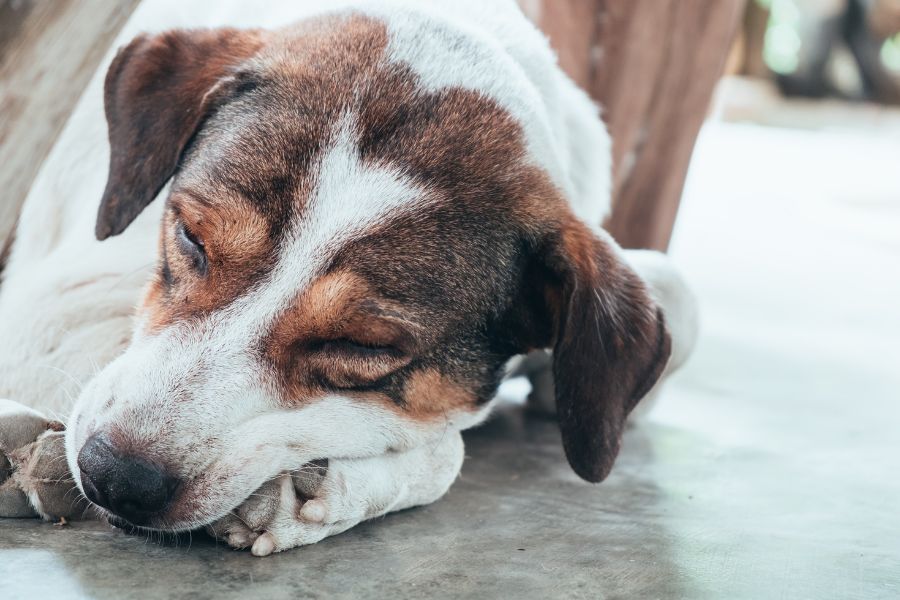
Have you ever taken your dog outside for a routine potty break only to notice loose stools, mucus, or even streaks of blood? Digestive issues can be alarming, especially when they appear suddenly. One common cause behind these symptoms is colitis in dogs.
Colitis refers to inflammation of the colon, or large intestine. While it can look serious, early detection often makes a big difference. The key is knowing what to watch for at home and understanding when the problem needs more than simple monitoring.
This guide will help you spot the early warning signs, understand possible causes, and take practical steps to support your dog’s health.
What Is Colitis in Dogs?
Colitis in dogs occurs when the lining of the colon becomes inflamed. The colon’s job is to absorb water and store waste before it leaves the body. When it becomes irritated, bowel movements change.
Dogs with colitis often need to go outside more frequently. Stools may be loose but passed in small amounts. You might also notice straining or urgency.
Colitis can be:
- Acute – sudden and short-term
- Chronic – ongoing or recurring over weeks or months
Both types require attention, but chronic colitis may signal an underlying health concern.
Why Early Detection Matters
Many cases of colitis in dogs begin with mild signs. Pet owners sometimes mistake these signs for a temporary upset stomach. Waiting too long can lead to dehydration, discomfort, and worsening inflammation.
The earlier you notice changes, the sooner you can adjust your diet, reduce stress, or seek guidance if needed. Being observant at home is your first line of defense.
Early Warning Signs of Colitis in Dogs
Here are the most common signs you may see:
1. Frequent Trips Outside
Does your dog suddenly need to go out every hour? Increased urgency is one of the first clues.
2. Small Amounts of Stool
Dogs with colitis often pass small amounts multiple times instead of one normal bowel movement.
3. Mucus in the Stool
A jelly-like coating on the stool is a strong indicator of inflammation in the colon.
4. Blood in the Stool
Bright red streaks may appear. This usually means irritation in the lower digestive tract.
5. Straining or Discomfort
You might notice your dog squatting for longer than usual or straining to pass stool.
6. Mild Abdominal Pain
Some dogs become sensitive around the belly or seem restless.
7. Normal Appetite (At First)
Unlike issues affecting the stomach or small intestine, colitis in dogs often does not immediately affect appetite. Many dogs still eat normally in the early stages.
What Causes Colitis in Dogs?
Colitis has many possible triggers. Identifying the cause helps prevent repeat episodes.
1. Dietary Changes
Sudden food changes are a leading cause. Switching brands, adding table scraps, or new treats can upset the colon.
2. Stress
Boarding, travel, fireworks, new pets, or visitors can trigger stress-related colitis. Stress colitis is common and often short-lived.
3. Parasites
Intestinal parasites such as whipworms can inflame the colon.
4. Bacterial Imbalance
An imbalance of healthy gut bacteria can contribute to chronic inflammation.
5. Food Sensitivities
Some dogs react poorly to certain proteins or ingredients.
6. Underlying Conditions
Chronic colitis may be linked to inflammatory bowel disease or other digestive disorders.
Understanding these factors helps you make informed decisions at home.
How to Monitor Colitis in Dogs at Home
If your dog shows mild signs and is otherwise bright and active, you can start by closely observing.
1. Keep a Stool Log
Track:
- Frequency
- Consistency
- Presence of mucus or blood
- Straining behavior
Patterns provide helpful information.
2. Review Recent Changes
Ask yourself:
- Did I change food recently?
- Did my dog get into the trash?
- Has anything stressful happened?
3. Hydration Check
Make sure your dog drinks water. Gently lift the skin at the back of the neck. If it snaps back quickly, hydration is likely normal.
4. Temporary Diet Adjustment
Some mild cases of colitis in dogs improve with a short, bland diet of plain boiled chicken and white rice. Always transition back slowly.
When to Seek Professional Help
Colitis can look mild at first, but it can escalate quickly. Seek help if you notice:
- Large amounts of blood
- Lethargy
- Vomiting
- Loss of appetite
- Signs lasting more than 48 hours
- Dehydration
Persistent or severe cases may require stool testing or other forms of pet diagnostic care to identify parasites, infections, or chronic conditions.
If you would like a deeper look at your dog’s digestive health, Learn more about our veterinary services here- PetCare Veterinary Clinic. Having the right information can guide your next steps without guessing.
Acute vs. Chronic Colitis in Dogs
Acute Colitis
- Sudden onset
- Often linked to stress or diet
- Usually resolves within a few days
Chronic Colitis
- Repeated episodes
- Symptoms lasting more than two weeks
- May require long-term diet management
Chronic colitis in dogs often requires careful monitoring and consistent nutrition adjustments.
How Colitis Differs from Other Digestive Issues
Pet owners sometimes confuse colitis with diarrhea caused by small intestine problems.
Here’s a simple comparison:
| Colitis | Small Intestine Issue |
|---|---|
| Frequent, small stools | Larger volume diarrhea |
| Mucus common | Rare mucus |
| Bright red blood | Dark or black stool |
| Straining | Usually no straining |
Recognizing these differences helps you describe symptoms accurately.
Preventing Colitis in Dogs
While not all cases are preventable, you can reduce risk by:
- Avoiding sudden diet changes
- Feeding high-quality, balanced food
- Keeping trash secured
- Managing stress during travel or boarding
- Staying consistent with parasite prevention
Routine health checks also help detect underlying conditions early.
Long-Term Management Tips
If your dog has recurring colitis in dogs episodes:
1. Choose a Consistent Diet
Stick to one well-tolerated formula.
2. Add Fiber (When Recommended)
Fiber can help regulate stool consistency.
3. Reduce Stress
Create a calm environment during stressful events.
4. Maintain Routine
Dogs thrive on predictability. Feeding and walking schedules matter.
Chronic cases often improve with steady care and observation.
Final Thoughts: Stay Observant and Act Early
Colitis in dogs can start quietly. A little mucus in the stool or a few extra potty breaks might seem minor, but these small changes matter. Paying attention to bowel habits gives you valuable insight into your dog’s overall health.
Most cases respond well to early care and simple adjustments. The key is consistency and awareness. Track symptoms, reduce stress, and avoid sudden food changes.
If something feels off, trust your instincts. Early action prevents complications and helps your dog return to normal comfort faster. Take a moment today to observe your dog’s routine. A quick check now can save discomfort later.
Frequently Asked Questions About Colitis in Dogs
1. Is colitis in dogs contagious?
Most forms are not contagious. If parasites or bacterial infections are involved, transmission risk may increase.
2. Can colitis in dogs resolve on its own?
Mild cases linked to stress or diet often improve within a few days. Persistent cases require evaluation.
3. What does blood in stool always mean? Colitis.
Bright red blood commonly points to colon irritation, but other causes are possible. Ongoing bleeding should be checked.
4. Can stress alone cause colitis in dogs?
Yes. Stress colitis is common after travel, boarding, or sudden changes.
5. Should I withhold food if my dog has colitis?
Short fasting periods may help in mild cases, but prolonged withholding is not recommended without guidance.
6. What foods are best for dogs with colitis?
Easily digestible proteins and simple ingredients are usually better tolerated. Some dogs benefit from limited-ingredient diets.