1022 Douglas Blvd. Roseville, CA 95678


Can You Delay Core Vaccines for Dogs? What to Consider
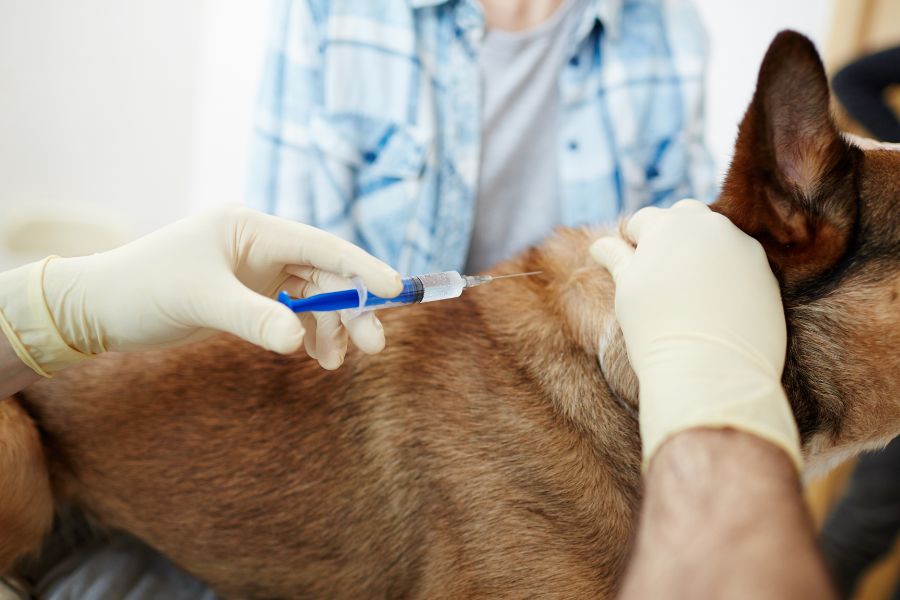
You want to make the right choices for your dog. Vaccines are part of that responsibility, but life happens. Maybe your dog has been sick. Maybe you missed an appointment. Or maybe you’ve read mixed advice online and feel unsure.
A common question pet owners ask is: Can you delay core vaccines for dogs without putting your pet at risk?
The short answer is that it depends on your dog’s age, health, lifestyle, and previous vaccine history. Some short delays may be manageable. Others can leave your dog vulnerable to serious illness. This guide walks you through what matters most so you can make an informed decision with confidence.
What Are Core Vaccines for Dogs?
Core vaccines protect against diseases that are serious, highly contagious, and often life-threatening. These vaccines are recommended for nearly every dog, no matter their breed or lifestyle.
In the United States, core vaccines for dogs typically include protection against:
- Rabies
- Distemper
- Parvovirus
- Adenovirus (canine hepatitis)
These diseases spread easily and can cause severe illness or death. Vaccination remains the most reliable way to prevent them.
Rabies vaccination is also required by law in most states. Delaying it may have legal consequences, not just health risks.
Why Timing Matters
Vaccines work by training your dog’s immune system to recognize and fight specific viruses. For puppies, the timing of core vaccines for dogs is critical because:
- Puppies receive temporary antibodies from their mother.
- Those antibodies fade over time.
- Vaccines must be given in a series to ensure proper protection.
If a vaccine is delayed during the puppy series, immunity may not fully develop. In some cases, your veterinarian may recommend restarting or adding extra doses to make sure your dog is protected.
For adult dogs, booster shots maintain immunity. If boosters are delayed too long, protection can weaken.
Common Reasons Pet Owners Consider Delaying Vaccines
Life does not always follow a schedule. Here are common situations where owners think about postponing core vaccines for dogs:
1. Mild Illness
If your dog has a minor cold, mild diarrhea, or low energy, you might wonder if vaccination should wait.
In many cases, mild illness does not require delaying vaccines. Still, your veterinarian should evaluate your dog first.
2. Recent Surgery
After surgery, your dog’s body needs time to recover. Vaccinating during recovery may add stress to the immune system. Your vet may suggest waiting until your dog is fully stable.
3. Previous Vaccine Reaction
Some dogs experience side effects such as swelling, vomiting, or lethargy after vaccination. In rare cases, more serious reactions occur.
If your dog has had a reaction, do not skip future vaccines on your own. Instead, discuss options such as adjusted schedules, pre-treatment, or medical exemptions where appropriate.
4. Scheduling Conflicts
Busy routines, travel, or missed reminders are common reasons for delays. While a short delay of a few weeks may not always cause harm, long gaps can reduce protection.
What Happens If You Delay Core Vaccines for Dogs?
The impact of delaying vaccines depends on how long the delay lasts and your dog’s current immunity level.
1. Short Delays (A Few Weeks)
A brief delay often does not require restarting the entire vaccine series for adult dogs. Your veterinarian may simply administer the booster and adjust future reminders.
2. Longer Delays (Several Months or More)
If too much time has passed, your dog’s immunity may drop. In puppies, this can mean restarting part of the vaccine series. In adults, a lapse may leave them unprotected against diseases circulating in their area.
3. Risk of Disease Exposure
Diseases like parvovirus and distemper remain present in many communities. Even indoor dogs can be exposed through:
- Shoes and clothing
- Visitors
- Grooming visits
- Boarding facilities
Delaying core vaccines for dogs increases the window of vulnerability.
Are There Safe Situations to Delay?
There are cases where postponing vaccination is reasonable. These decisions should always involve a veterinarian who knows your dog’s history.
1. When Your Dog Is Seriously Ill
If your dog has a high fever, severe infection, or immune disorder, vaccination may be postponed until recovery.
2. During Certain Medical Treatments
Dogs undergoing chemotherapy or immunosuppressant treatments may require modified vaccine plans.
3. Verified Immunity Testing
In some adult dogs, antibody titer testing can measure immunity levels for certain diseases like distemper and parvovirus. If titers show adequate protection, revaccination may be delayed. Rabies laws, however, still apply based on state regulations.
Puppies vs. Adult Dogs: Different Considerations
1. Puppies
Puppies are at the highest risk. Delaying core vaccines for dogs during the first few months of life can leave them unprotected against parvovirus, which spreads quickly and can be fatal.
The typical puppy schedule includes vaccinations every 3–4 weeks starting at 6–8 weeks of age until around 16 weeks. Missing doses may require schedule adjustments.
2. Adult Dogs
Adult dogs who completed their puppy series and booster schedule have stronger immune memory. A short delay is often less concerning but should still be corrected promptly.
How Lifestyle Affects Vaccine Decisions
Your dog’s daily environment plays a major role in risk assessment.
Ask yourself:
- Does your dog visit dog parks?
- Do they attend daycare or boarding?
- Do they interact with other dogs often?
- Do you live in an area with reported outbreaks?
A social dog in a busy area faces a higher exposure risk than a dog that rarely leaves home. Still, even low-exposure dogs need protection against core diseases.
Vaccination remains a key part of responsible pet preventive care, helping protect not only your dog but also the wider pet community.
Understanding the Risks of Over-Vaccination Concerns
Some owners worry about giving too many vaccines. It is fair to ask questions.
Modern vaccine protocols are based on research and long-term safety monitoring. Core vaccines for dogs are not given more often than necessary. Booster intervals are spaced to balance protection with safety.
Adverse reactions are rare. When they happen, most are mild and short-lived. Severe reactions occur in a very small percentage of dogs.
Skipping vaccines because of online advice or fear can expose your dog to far greater risks.
Questions to Ask Before Delaying
Before making any changes, have a direct conversation with your veterinarian. Consider asking:
- How protected is my dog right now?
- What risks exist in our local area?
- If we delay, what signs of illness should I watch for?
- Will we need to restart the vaccine series?
Clear answers help you make practical decisions instead of emotional ones.
Signs Your Dog May Be Unprotected
If your dog has missed vaccines for a long period, stay alert for symptoms of common diseases:
- Severe vomiting or diarrhea
- Persistent coughing
- Nasal discharge
- Fever
- Lethargy
Early treatment improves outcomes. Do not wait if symptoms appear.
Balancing Flexibility and Responsibility
It is normal to adjust plans when life changes. A short delay in core vaccines for dogs may be manageable in some cases. Long delays increase risk.
The goal is not rigid perfection. The goal is steady protection.
When in doubt, ask. Decisions about vaccines should be based on your dog’s health, local disease trends, and medical history—not fear or guesswork.
Conclusion: Making the Right Choice for Your Dog
Delaying core vaccines for dogs is not always dangerous, but it should never be a casual decision. Puppies require strict timing. Adult dogs may have more flexibility, but protection still matters.
Talk openly with your veterinarian. Review your dog’s history. Understand local risks. Make a plan that protects your pet and fits their health needs.
If your dog is overdue or you are unsure about the right schedule, now is the time to schedule a consultation with PetCare Veterinary Clinic and clarify your next steps. Clear guidance today can prevent serious illness tomorrow.
Frequently Asked Questions(FAQs):
1. How long can core vaccines for dogs be delayed?
A short delay of a few weeks may not cause problems for adult dogs. Longer gaps can reduce immunity and may require additional doses.
2. Do indoor dogs still need core vaccines?
Yes. Viruses like parvovirus can enter the home on shoes, clothing, or visitors. Rabies is also legally required in most states.
3. What if my dog had a mild vaccine reaction before?
Speak with your veterinarian. Adjusted schedules or pre-treatment options may help reduce future reactions.
4. Can antibody titers replace boosters?
Titers can measure immunity for certain diseases like distemper and parvovirus. They do not replace rabies vaccination requirements set by law.
5. Are core vaccines for dogs safe?
They are tested for safety and monitored over time. Most dogs experience no side effects beyond mild soreness or fatigue.
6. What happens if my puppy misses a vaccine appointment?
Your veterinarian may recommend resuming the series and possibly adding doses to ensure full protection.