1022 Douglas Blvd. Roseville, CA 95678


Early Warning Signs of Cruciate Ligament Rupture in Dogs
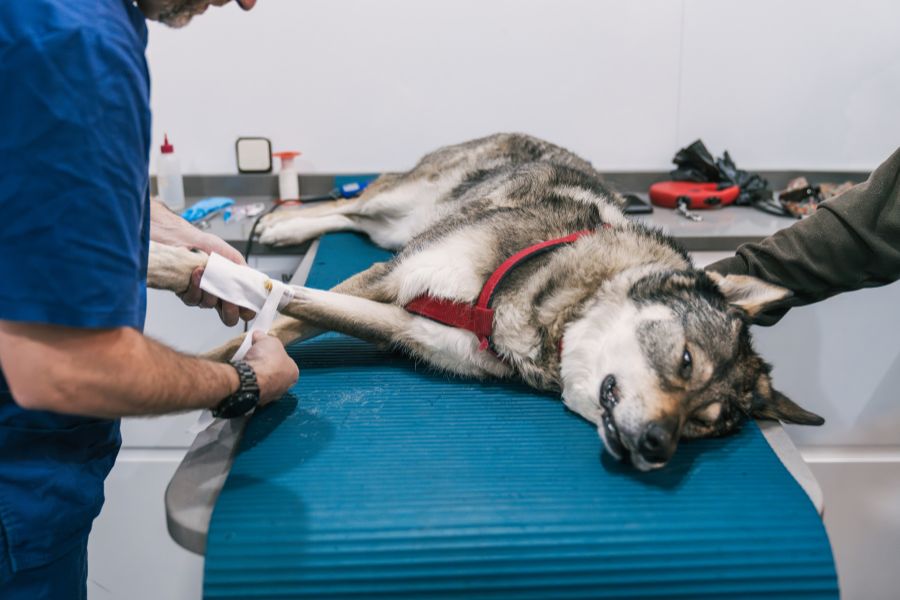
Cruciate Ligament Rupture can change how a dog walks, plays, rests, and connects with family. This guide explains early warning signs, daily risk factors, simple home checks, treatment paths, recovery expectations, and ways to protect joint health.
You will learn what subtle limping means, why stiffness appears after naps, how weight affects knees, and when to seek help. Clear steps support confident choices, from first observations to imaging and care planning. Owners gain practical tips, realistic timelines, and compassionate advice that supports comfort at every stage. This overview helps families act early, ask informed questions, and prepare for care in Roseville, CA.
Dogs rely on strong knee support to jump, run, and turn. A small tear can start quietly, then grow into lasting pain. Many owners notice brief limps that fade, slower rising from beds, or mood changes. These signals deserve attention.
What the ligament does
In a cruciate ligament rupture, the knee loses stability because a short internal band no longer holds alignment. That shift causes swelling, soreness, and uneven wear on cartilage. Over time, arthritis may follow.
Common early signs at home
Watch for skipping steps during walks, toe touching instead of full weight bearing, or sitting with one leg stretched. Some dogs hesitate before stairs or cars. Others lick the knee, avoid play, or seem restless at night. Appetite often stays normal, which can hide the problem.
Subtle changes in daily routines
Small behavior shifts matter. A dog may ask for shorter outings, lag on familiar routes, or choose rugs over tile. You might hear soft clicking during movement. Muscles around the thigh can shrink within weeks because the dog protects the leg.
Who faces a higher risk?
Any dog can be affected, though middle-aged, active, overweight, and certain breeds face greater odds. Quick turns during fetch, repeated jumping, and slippery floors raise strain. Extra pounds increase pressure on the joint with each step.
Simple checks you can try
Observe gait on a straight walk and during gentle circles. Compare both back legs for warmth or swelling. Note how fast your dog rises from rest. Keep a short log of changes. These notes help your care team spot patterns.
When to seek care
Contact a clinic when limping lasts longer than a day, swelling appears, or your dog avoids normal activities. Earlier visits support faster relief and limit joint damage. X-rays or other imaging may confirm the cause and guide the next steps.
Treatment paths explained
Plans vary by size, age, and activity. Rest, pain relief, joint support, and controlled exercise help mild cases. Many dogs benefit from stabilization procedures, followed by rehab. Families often ask about recovery windows and long-term comfort.
Life after stabilization
Most dogs return to happy routines with structured rehab. Short leash walks grow longer. Strength work rebuilds muscle. Weight control protects healing tissue. Owners who follow plans see steady progress across weeks.
Preventing future strain
Use ramps for cars and couches. Choose traction mats on slick floors. Warm up before games. Keep nails trimmed. Feed balanced meals and measure portions. Regular checkups catch small issues early.
Emotional support for pets and people
Pain changes behavior. Patience helps dogs feel safe during rest periods. Enrichment toys, gentle massage, and calm praise ease stress. Owners often feel worried; clear updates and realistic goals reduce that burden.
Conclusion
Your dog’s comfort depends on early recognition, thoughtful care, and steady follow-through. Small signs deserve respect. With prompt evaluation, tailored treatment, and consistent rehab, many dogs regain confident movement. If stabilization becomes necessary, pet surgery paired with guided recovery restores quality of life for countless companions.
Keep weight in check, support joints at home, and stay engaged with your care team. Trust your observations and advocate for your pet’s needs. We are conveniently located in Roseville, CA, and welcome you to our location at 1022 Douglas Blvd, Roseville, CA 95678— where compassionate care and community come together for your pet’s well-being. Schedule an appointment with PetCare Veterinary Clinic.
Frequently Asked Questions(FAQs)
1. How fast do symptoms appear?
Signs may start as brief limps after play, then grow over weeks. Some dogs show sudden pain after a twist. Early attention limits swelling and helps preserve cartilage. Keep notes on timing, triggers, and recovery between episodes.
2. Can a dog heal without procedures?
Small tears may improve with rest, weight control, and guided rehab. Many active or larger dogs gain lasting stability from intervention. A tailored plan balances comfort, mobility, and budget while considering age, lifestyle, and joint changes.
3. What does recovery look like?
Most plans involve restricted movement, short walks, and strengthening exercises. Swelling drops within days. Muscle returns across weeks. Full activity often resumes within months, depending on size and approach. Consistency shapes results.
4. Is pet surgery always required?
Not always. Mild cases may respond to conservative care. Larger dogs or complete tears often regain function faster with pet surgery. Your provider explains options, costs, risks, and expected outcomes so families can choose with confidence.
5. How can I reduce the chance of re-injury?
Maintain lean body condition, avoid slippery surfaces, build strength slowly, and keep routines steady. Supportive braces may help during healing. Regular follow-ups track progress and adjust exercises as your dog grows stronger.
6. Will arthritis develop later?
Joint wear can follow any knee injury. Early care, rehab, and weight control make slow changes. Supplements, activity planning, and periodic assessments protect comfort across years and support an active lifestyle.