1022 Douglas Blvd. Roseville, CA 95678


How to Safeguard Your Pet During Summer Heatwaves
Summer heatwaves can be dangerous for pets, especially when temperatures rise quickly and humidity stays high. Pets rely on their owners to recognize early signs of overheating, adjust routines, and create a safe environment indoors and outdoors.
This guide covers hydration, exercise timing, heatstroke warning signs, grooming, and practical steps to protect pets during extreme weather. You will also find helpful answers to common concerns and actionable steps you can use right away. If you live in Roseville, seasonal heat patterns make preparation even more important, especially during peak summer months when temperatures can soar.
Why Heatwaves Are Risky for Pets
Pets do not cool down the same way humans do. Dogs pant, and cats groom to regulate body temperature, but both methods have limits. High humidity and direct sun exposure make it harder for them to stay cool.
Flat-faced breeds, senior pets, overweight animals, and those with thick coats are more vulnerable. Even healthy pets can experience heat stress if they are left outside too long or lack access to water and shade.
Signs Your Pet May Be Overheating
Early Warning Signs
- Excessive panting
- Drooling more than usual
- Restlessness or pacing
- Warm ears and paws
Serious Symptoms
- Vomiting or diarrhea
- Lethargy or confusion
- Difficulty breathing
- Collapse or seizures
If you notice these signs, move your pet to a cool area immediately and offer water. Contact a veterinarian near you if symptoms persist or worsen.
Hydration: The First Line of Defense
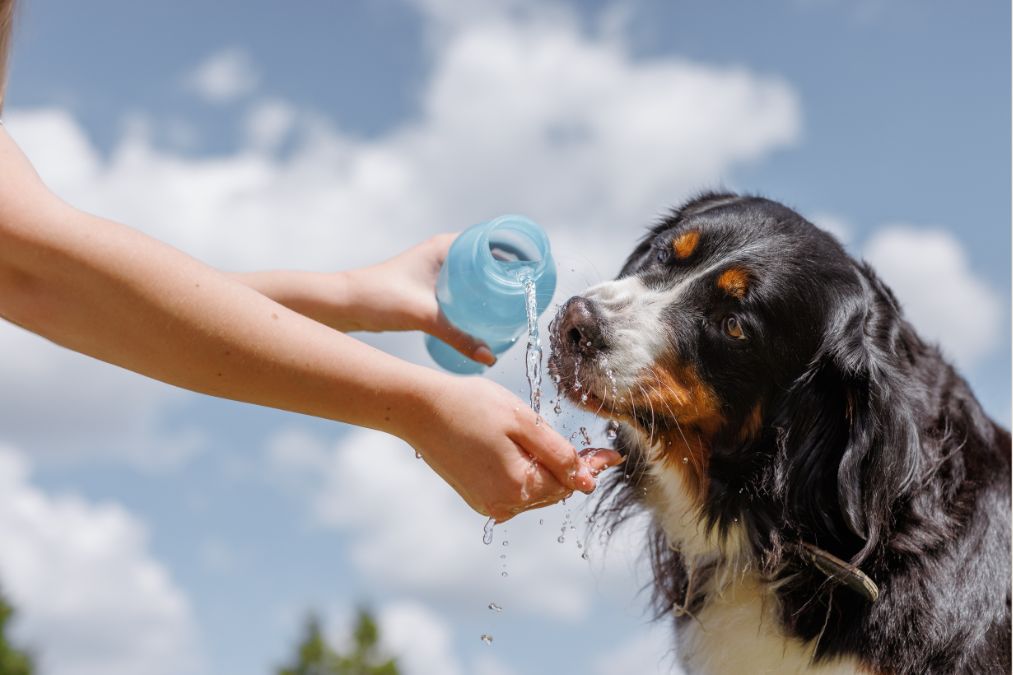
Keeping your pet hydrated is one of the most effective summer safety tips for pets. Water helps regulate body temperature and prevents dehydration.
Practical Tips
- Provide fresh, clean water at all times
- Place multiple water bowls around your home
- Add ice cubes to keep the water cool longer
- Use pet fountains to encourage drinking
For outdoor pets, ensure shaded water stations are always available. Avoid metal bowls that heat up quickly under the sun.
Adjusting Exercise and Outdoor Time
Pets still need activity, but timing matters during heatwaves.
Best Practices
- Walk dogs early in the morning or late in the evening
- Avoid hot pavement that can burn paws
- Shorten play sessions during peak heat
- Choose grassy or shaded areas
A simple test is placing your hand on the pavement. If it feels too hot for you, it is unsafe for your pet.
Creating a Cool Indoor Environment
Indoor comfort plays a major role in protecting pets during extreme heat.
Ways to Keep Your Home Pet-Friendly
- Use fans or air conditioning
- Keep curtains closed during the day
- Provide cooling mats or damp towels
- Allow access to tiled or shaded floors
In Roseville, where summer temperatures can exceed 100°F, indoor cooling becomes essential rather than optional.
Grooming and Coat Care
Proper grooming helps pets stay comfortable, but shaving is not always the best solution.
Key Considerations
- Brush regularly to remove excess fur
- Avoid shaving double-coated breeds completely
- Keep fur trimmed but protective
A well-maintained coat can actually help regulate temperature by providing insulation against heat.
Never Leave Pets in Parked Cars
Even a few minutes inside a parked car can become life-threatening. Temperatures inside vehicles rise rapidly, even with windows slightly open.
Important Reminder
- A car can heat up by 20°F within minutes
- Cracking windows does not prevent heat buildup
- Always take your pet with you when exiting the vehicle
This is one of the most critical safety rules every pet owner should follow.
Outdoor Safety and Shade Solutions
If your pet spends time outdoors, creating a shaded and cool environment is essential.
Simple Shade Ideas
- Use tarps, umbrellas, or shade cloths
- Provide access to covered patios or trees
- Set up elevated pet beds for airflow
Avoid tying pets in direct sunlight where they cannot move to cooler areas.
Nutrition and Summer Diet Adjustments
Pets may eat less during hot weather, which is normal. Focus on maintaining balanced nutrition.
Helpful Tips
- Offer smaller, more frequent meals
- Include moisture-rich foods when appropriate
- Avoid feeding during peak heat hours
Monitor appetite changes and consult a professional if your pet refuses food for extended periods.
Travel and Heatwave Planning
Summer travel requires extra preparation to keep pets safe.
Before You Travel
- Pack enough water and a portable bowl
- Plan rest stops in shaded areas
- Avoid traveling during peak heat hours
Never leave pets unattended in vehicles during travel breaks.
Conclusion
Protecting your pet during extreme heat requires awareness, preparation, and consistent care. Small changes in routine can make a significant difference in preventing heat-related risks. From hydration and exercise timing to indoor cooling and travel precautions, every step contributes to your pet’s comfort and safety. Stay attentive to warning signs and act quickly when needed.
For personalized guidance and support, reach out to our Roseville facility at 1022 Douglas Blvd, Roseville, CA 95678—where compassionate care and community come together for your pet’s well-being.
FAQs About Pet Safety in Heatwaves
1. How can I tell if my pet is too hot?
A: Look for signs like heavy panting, drooling, or lethargy. If your pet seems weak or unresponsive, move them to a cool space and provide water immediately while seeking professional advice.
2. Is it safe to walk my dog during summer afternoons?
A: Afternoon walks are risky due to high temperatures and hot pavement. Early morning or late evening walks are safer and more comfortable for your pet.
3. Do pets need more water in summer?
A: Yes, pets need increased hydration during hot weather. Always provide fresh water and check bowls frequently to ensure they are full and cool.
4. Can fans alone keep pets cool?
A: Fans help, but they may not be enough during extreme heat. Combining fans with air conditioning or cooling surfaces improves comfort and safety.
5. Should I shave my pet’s fur in summer?
A: Not always. Some coats protect against heat. Regular brushing and light trimming are better options than complete shaving for many breeds.
6. What should I do in case of heatstroke?
A: Move your pet to a cool area, offer small amounts of water, and use damp cloths to lower body temperature. Seek immediate help from a veterinarian if symptoms are severe.