1022 Douglas Blvd. Roseville, CA 95678


Senior Great Dane Care: Extending Life and Improving Quality

Great Danes are known for their gentle nature, towering height, and deep loyalty. As they age, their needs change quickly, and thoughtful care becomes essential. Senior Great Dane care focuses on maintaining comfort, supporting mobility, and improving overall quality of life. With the right approach, you can help your dog enjoy their golden years with dignity and ease.
This guide walks you through practical, clear steps to support your aging Great Dane, from nutrition and exercise to health monitoring and home adjustments.
Understanding the Senior Stage in Great Danes
Great Danes age faster than many other breeds. Most are considered seniors, around 5–7 years old. This early transition means owners must stay alert to subtle changes.
Signs Your Great Dane Is Entering Senior Years
- Slower movement or reluctance to climb stairs
- Weight gain or muscle loss
- Stiff joints, especially after rest
- Changes in appetite or digestion
- Cloudy eyes or reduced hearing
- Increased sleeping
Recognizing these signs early allows you to adjust your care routine and prevent discomfort from progressing.
Nutrition for Senior Great Dane Care
Diet plays a major role in extending your dog’s life and improving daily comfort.
Key Nutritional Needs
1. Joint Support Nutrients
Look for foods with glucosamine and chondroitin. These help protect joints and reduce stiffness.
2. Controlled Calories
Senior Great Danes are less active. Extra weight adds pressure to joints and the heart.
3. High-Quality Protein
Protein helps maintain muscle mass, which is important for mobility.
4. Digestive Support
Easily digestible ingredients and added fiber help prevent stomach issues.
Feeding Tips
- Divide meals into two smaller portions to reduce bloating risk
- Avoid sudden diet changes
- Keep fresh water available at all times
If you’re unsure what diet suits your dog best, consider reviewing trusted nutritional guidance or visiting our website for helpful feeding insights designed for large senior breeds.
Joint and Mobility Care
Mobility challenges are common in aging Great Danes. Supporting their joints can make a big difference in daily comfort.
Simple Ways to Help
- Use orthopedic dog beds to cushion joints
- Add rugs or mats to prevent slipping
- Provide ramps instead of stairs where possible
- Keep nails trimmed to improve balance
Exercise Matters—But Keep It Gentle
Short, consistent walks are better than long, intense activity. Avoid running or jumping. Swimming can be helpful if your dog is comfortable with water.
Regular Veterinary Checkups
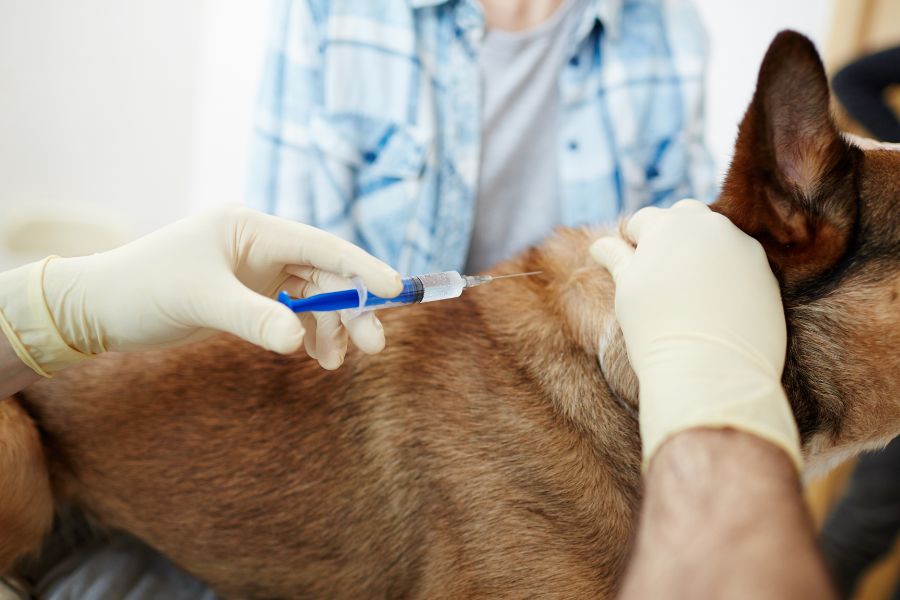
Routine care is a core part of senior Great Dane care. Health conditions can develop quickly in large breeds.
Recommended Checkup Schedule
- Every 6 months for senior dogs
- Bloodwork and screenings as advised
- Monitoring for heart disease, arthritis, and digestive issues
Early detection improves treatment outcomes and reduces discomfort.
Managing Common Health Issues
Senior Great Danes are prone to certain conditions. Being prepared helps you respond quickly.
1. Arthritis
- Causes stiffness and pain
- Managed with medication, supplements, and lifestyle changes
2. Heart Disease
- Look for coughing, fatigue, or breathing difficulty
- Requires regular monitoring
3. Bloat (Gastric Dilatation-Volvulus)
- A serious condition common in large breeds
- Feed smaller meals and avoid exercise right after eating
4. Hip Dysplasia
- Leads to reduced mobility
- Support with weight management and joint care
Creating a Comfortable Home Environment
Your dog’s surroundings should support their changing needs.
Easy Home Adjustments
- Provide a warm, draft-free sleeping area
- Use elevated food bowls to reduce neck strain
- Keep frequently used items within easy reach
- Ensure good lighting for aging eyes
Comfort is not just physical. A calm and predictable environment helps reduce stress.
Mental Stimulation and Emotional Well-being
Senior dogs still need engagement. Mental stimulation keeps them alert and happy.
Activities to Try
- Puzzle toys
- Gentle training sessions
- Short playtime with favorite toys
- Spending quiet time together
Great Danes are social. Your presence and attention matter more than complex activities.
Grooming and Hygiene
Regular grooming supports both comfort and health.
Key Areas to Focus On
- Check skin for lumps or irritation
- Brush coat to improve circulation
- Clean ears to prevent infection
- Maintain dental hygiene
Dental health often gets overlooked, but it directly impacts overall wellness.
Weight Management: A Critical Factor
Extra weight increases strain on joints and organs. Maintaining a healthy weight is one of the most effective ways to improve your dog’s quality of life.
Tips for a Healthy Weight
- Measure food portions
- Limit treats or choose low-calorie options
- Stay consistent with light exercise
Pain Management and Quality of Life
Pain is not always obvious in dogs. Subtle changes in behavior can signal discomfort.
Watch for These Signs
- Reluctance to move
- Whining or restlessness
- Changes in posture
- Loss of interest in activities
Consult your veterinarian for safe pain management options. Never give human medications.
Building a Senior Care Routine
Consistency helps senior dogs feel secure and reduces stress.
Daily Routine Ideas
- Set regular feeding times
- Schedule short walks
- Include quiet rest periods
- Maintain a consistent sleep schedule
Routine creates stability and helps you notice changes faster.
When to Adjust Your Care Plan
Your dog’s needs will continue to change. Regularly reassess their condition and adjust care accordingly.
Ask Yourself
- Is my dog comfortable moving around?
- Has their appetite changed?
- Are they engaging with family as usual?
If you notice changes, it may be time to update your care approach.
Conclusion: Supporting Your Great Dane’s Golden Years
Caring for a senior Great Dane requires attention, patience, and informed decisions. From proper nutrition to regular vet visits, every step you take contributes to their comfort and happiness. Senior Great Dane care is not about extending life at any cost. It is about improving the quality of the time you share.
If your dog is showing signs of aging or you want to build a proactive care plan, now is the right time to act. Schedule a wellness check and book an appointment with your veterinarian to ensure your Great Dane receives the support they need at every stage.
Frequently Asked Questions (FAQs)
1. At what age is a Great Dane considered a senior?
A: Most Great Danes are considered seniors between 5 and 7 years old due to their large size and shorter lifespan.
2. How often should I take my senior Great Dane to the vet?
A: Twice a year is recommended for routine checkups and early detection of health issues.
3. What is the best diet for senior Great Dane care?
A: A balanced diet with joint support nutrients, controlled calories, and high-quality protein is ideal.
4. How can I help my Great Dane with arthritis?
A: Provide soft bedding, maintain a healthy weight, use joint supplements, and follow your vet’s treatment plan.
5. Is exercise still important for senior Great Danes?
A: Yes, but it should be gentle and consistent, such as short walks or light play.
6. How do I know if my dog is in pain?
A: Look for changes in movement, behavior, appetite, or mood. Consult your vet if you notice any signs.