1022 Douglas Blvd. Roseville, CA 95678


Veterinary Warning: Don’t Ignore Tick-Borne Illness Symptoms
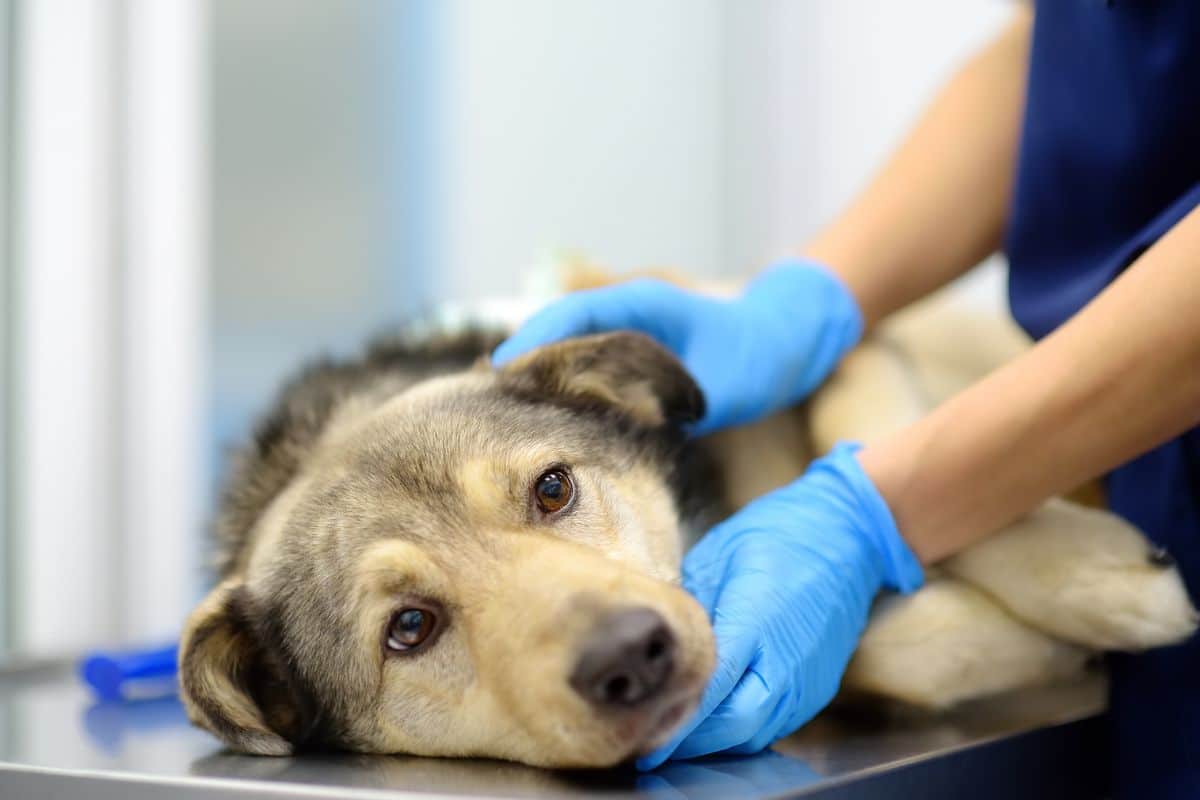
Tick-borne illnesses are becoming a growing concern for pet owners across many parts of the United States. While ticks are small, the diseases they carry can have a significant impact on your pet’s health if they are not recognized and treated promptly. Dogs are especially vulnerable, but cats that spend time outdoors can also be exposed. Because the early signs often resemble other common illnesses, many owners may not realize their pet is dealing with a tick-borne infection until symptoms become more severe.
Knowing what to watch for and acting quickly can make a meaningful difference in your pet’s recovery. Understanding the warning signs, how these illnesses develop, and when to seek professional veterinary care helps protect your companion from serious complications.
What Are Tick-Borne Illnesses?
Tick-borne illnesses are infections transmitted through the bite of infected ticks. Once attached, a tick can pass bacteria, parasites, or other disease-causing organisms into your pet’s bloodstream. Some diseases may begin causing symptoms within days, while others may remain unnoticed for weeks before clinical signs appear.
Ticks are commonly found in:
- Tall grass
- Wooded trails
- Brushy landscapes
- Parks
- Backyards with dense vegetation
- Hiking and camping areas
Even pets that spend most of their time indoors can be exposed if ticks are carried inside on people, clothing, or other animals.
Common Tick-Borne Diseases That Affect Pets
Several tick-borne illnesses can affect dogs and, less commonly, cats. Each disease has different characteristics, but many share similar symptoms.
Lyme Disease
Lyme disease is one of the most recognized tick-borne infections in dogs. Not every infected dog becomes ill, but those that do may experience:
- Lameness that shifts between legs
- Swollen joints
- Fever
- Reduced energy
- Loss of appetite
- Stiffness while walking
Without timely treatment, Lyme disease may contribute to kidney complications in some dogs.
Ehrlichiosis
This bacterial infection attacks the body’s white blood cells and may progress through several stages.
Symptoms can include:
- Fever
- Weight loss
- Bruising
- Nosebleeds
- Swollen lymph nodes
- Low energy
- Poor appetite
If left untreated, chronic ehrlichiosis can lead to more serious health concerns.
Anaplasmosis
Anaplasmosis often resembles Lyme disease because it causes inflammation throughout the body.
Pets may develop:
- Joint pain
- Fever
- Reluctance to move
- Decreased appetite
- Fatigue
- Lameness
Prompt diagnosis generally leads to a favorable recovery.
Rocky Mountain Spotted Fever
Although less common, Rocky Mountain spotted fever can become severe if not treated early.
Possible signs include:
- Fever
- Swollen joints
- Eye inflammation
- Vomiting
- Neurological abnormalities
- Weakness
Early veterinary intervention greatly improves the outlook.
Early Symptoms You Should Never Ignore
Many tick-borne illnesses begin with subtle symptoms that can easily be mistaken for simple fatigue or minor soreness. Paying attention to changes in your pet’s normal behavior is one of the best ways to catch a problem early.
Watch for symptoms such as:
- Unexplained tiredness
- Fever
- Limping
- Difficulty standing
- Stiff or painful joints
- Loss of appetite
- Weight loss
- Swollen lymph nodes
- Pale gums
- Vomiting
- Diarrhea
- Unusual bruising
- Bleeding from the nose
- Reluctance to exercise
Some pets may only show one or two mild symptoms initially. Even these subtle changes deserve attention, especially if your pet has recently been outdoors in areas where ticks are common.
Why Early Diagnosis Is So Important
Tick-borne illnesses generally respond much better when identified during the early stages. Waiting too long allows the infection to spread throughout the body, increasing the risk of complications involving the joints, kidneys, blood cells, or nervous system.
Early diagnosis offers several advantages:
- Faster symptom relief
- Reduced risk of long-term damage
- Less extensive treatment
- Better overall recovery
- Lower chance of chronic illness
If your pet develops unexplained illness after spending time outdoors, don’t assume the symptoms will simply disappear on their own.
How Veterinarians Diagnose Tick-Borne Illnesses
Because many tick-borne diseases produce similar symptoms, diagnosis usually involves several steps.
Your veterinarian will begin with a complete physical examination and discuss your pet’s recent activities, travel history, and possible tick exposure.
Diagnostic testing may include:
- Blood tests
- Complete blood count
- Blood chemistry analysis
- Tick-borne disease screening
- Urinalysis
- Additional laboratory testing when needed
These tests help identify the infection while also evaluating how the illness is affecting your pet’s organs and immune system.
A trusted veterinary clinic can determine whether symptoms are related to tick-borne disease or another medical condition requiring treatment.
Treatment Options for Tick-Borne Diseases
Treatment depends on the specific infection, how advanced the illness is, and your pet’s overall health.
Many bacterial tick-borne diseases respond well to prescription antibiotics. Additional supportive care may include:
- Fluid therapy
- Pain management
- Anti-inflammatory medications
- Nutritional support
- Monitoring blood values
- Follow-up examinations
Most pets begin showing improvement within several days after treatment starts, although completing the full course of medication is essential for successful recovery.
Never stop treatment early simply because your pet appears to feel better.
How to Reduce Your Pet’s Risk of Tick Exposure
While no prevention strategy is perfect, several simple habits can significantly reduce your pet’s exposure to ticks.
Check Your Pet After Outdoor Activities
Carefully inspect your pet after:
- Walks
- Hiking trips
- Visits to parks
- Camping adventures
- Time spent in wooded areas
Pay close attention to:
- Around the ears
- Under the collar
- Between the toes
- Around the tail
- Under the legs
- Around the neck
Ticks often hide in these less visible locations.
Keep Your Yard Well Maintained
Reducing tick habitat around your home can lower exposure.
Helpful landscaping practices include:
- Mowing grass regularly
- Removing leaf piles
- Trimming overgrown shrubs
- Clearing brush
- Limiting wildlife access when possible
Remove Ticks Carefully
If you find an attached tick, remove it promptly using fine-tipped tweezers or a tick-removal tool. Grasp the tick as close to the skin as possible and pull upward with steady pressure.
Avoid squeezing the tick’s body or using home remedies such as petroleum jelly or heat, which may increase the chance of disease transmission.
If you’re unsure whether the tick was removed completely, contact your veterinarian.
When Should You Visit a Veterinarian?
Any unexplained illness following potential tick exposure deserves prompt medical attention.
Seek veterinary care if your pet develops:
- Persistent limping
- Fever
- Extreme tiredness
- Swollen joints
- Difficulty walking
- Loss of appetite lasting more than a day
- Bleeding disorders
- Sudden weakness
- Significant behavioral changes
The earlier treatment begins, the better the chances of preventing more serious complications.
If you notice these warning signs, schedule for an appointment as soon as possible rather than waiting to see if symptoms improve.
Why Regular Wellness Visits Matter
Routine veterinary exams help detect health changes before they become major concerns. During wellness visits, veterinarians can identify subtle physical abnormalities, discuss parasite risks in your area, and recommend appropriate preventive strategies based on your pet’s lifestyle.
This proactive approach supports earlier diagnosis if a tick-borne illness develops and helps keep your pet healthier throughout every stage of life.
Whether your companion enjoys neighborhood walks or outdoor adventures, partnering with a knowledgeable veterinarian near you provides valuable peace of mind.
Trust Your Instincts When Something Seems Wrong
You know your pet better than anyone else. Small changes in behavior, appetite, movement, or energy level may be the first indication that something isn’t right. Tick-borne illnesses can progress quietly, making it important not to dismiss symptoms as temporary soreness or simple fatigue.
If your pet has been exposed to tick habitats and begins showing unusual signs, professional evaluation can help identify the cause before complications develop.
For compassionate, comprehensive care, the experienced team at PetCare Veterinary Clinic is committed to helping pets stay healthy. Whether you need diagnostic testing, treatment, or ongoing wellness care, this trusted Roseville animal hospital is here to support you and your pet every step of the way.
Frequently Asked Questions
1. What are the first signs of a tick-borne illness in pets?
Early symptoms often include fever, tiredness, limping, joint pain, loss of appetite, and decreased interest in normal activities. Some pets may only show mild signs at first.
2. Can indoor pets get tick-borne illnesses?
Yes. Indoor pets can still be exposed if ticks are carried inside on people, other pets, or clothing after spending time outdoors.
3. How long does it take for symptoms to appear after a tick bite?
Symptoms may appear within several days or may take several weeks, depending on the disease and your pet’s immune response.
4. Are tick-borne illnesses treatable?
Many tick-borne illnesses respond well to early diagnosis and appropriate treatment. Prompt veterinary care offers the best chance for a full recovery.
5. Should I worry if I find a tick on my pet but they seem healthy?
Yes. Not every infected pet develops symptoms immediately. Contact your veterinarian if you remove a tick, especially if your pet later shows any signs of illness.
6. When should I take my pet to a veterinary clinic for possible tick-borne illness?
You should seek care promptly if your pet develops fever, limping, weakness, swollen joints, unusual bleeding, poor appetite, or significant changes in behavior after possible tick exposure. Early evaluation by a veterinary clinic can help prevent more serious health complications.