1022 Douglas Blvd. Roseville, CA 95678


Your Pet Needs Surgery: What Every Owner Should Know
Hearing that your dog or cat needs surgery can be overwhelming. Whether the procedure is planned after a diagnosis or recommended because of an unexpected injury, most pet owners immediately have the same concerns: Is surgery really necessary? How should I prepare? What will recovery look like?
Understanding the process can make the experience much less stressful. This practical guide explains what pet owners should know before, during, and after a procedure, including how veterinary teams evaluate surgical candidates, what happens on surgery day, and how to support recovery at home. For families seeking pet surgery in Roseville, CA, knowing what to expect can help you make informed decisions and feel more prepared to care for your companion.
How Do You Know Your Pet Needs Surgery?
Veterinary surgery may be recommended for many different reasons. Some procedures address an immediate medical problem, while others prevent a condition from becoming more serious.
Common reasons a pet may need surgery include:
- Removing a foreign object
- Repairing an injury or broken bone
- Treating certain tumors or masses
- Correcting painful orthopedic problems
- Spaying or neutering
- Addressing bladder or urinary issues
- Treating gastrointestinal conditions
- Repairing wounds or other tissue damage
Your veterinarian should explain why surgery is being recommended and what could happen without treatment. Ask about the expected benefits, potential risks, alternative treatments, and how urgent the procedure is.
Remember that not every surgical decision is the same. A routine procedure and an emergency operation require very different approaches, so your veterinarian will consider your pet’s individual health and circumstances.
What Happens Before Pet Surgery?
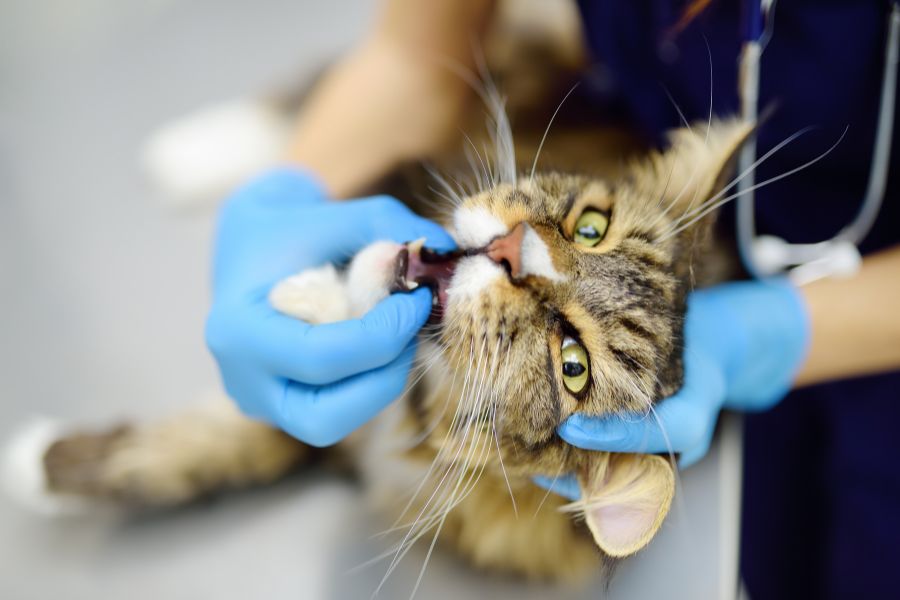
Preparation begins before your pet enters the operating room. Your veterinary team may perform a physical examination and recommend diagnostic testing to determine whether your pet is healthy enough for anesthesia and surgery.
Depending on your pet’s age, health, and procedure, pre-surgical testing may include:
- Bloodwork
- Urinalysis
- X-rays
- Ultrasound
- Blood pressure measurement
- Additional heart or organ testing
These evaluations can help identify underlying problems that may affect anesthesia or recovery.
Your veterinarian will also review your pet’s medications, previous medical history, allergies, and any symptoms you have noticed at home. Be sure to provide accurate information, even if something seems minor.
Follow Pre-Surgery Instructions Carefully
Your veterinary team may give you specific instructions about fasting, medications, feeding, and arrival time. Follow these directions closely.
Do not give your pet food, treats, or medications unless your veterinarian has specifically told you to do so. Certain medications may need to be adjusted before anesthesia, while others may need to continue.
If you are unsure about an instruction, contact the veterinary team rather than guessing.
Questions to Ask Before the Procedure
It is completely reasonable to have questions when your pet needs surgery. In fact, understanding the plan can help you feel more confident about the decision.
Consider asking:
- Why does my pet need this surgery?
- Is the procedure urgent or can it be scheduled?
- Are there alternatives to surgery?
- What type of anesthesia will be used?
- What risks should I know about?
- How long will recovery take?
- What pain-management options will my pet receive?
- What restrictions will my pet have after surgery?
- What signs would require an immediate call to the veterinary team?
Your veterinarian can explain the answers based on your pet’s specific condition rather than relying on general information found online.
What Happens on Surgery Day?
On the day of surgery, your pet will typically be checked in and evaluated by the veterinary team. Depending on the procedure and your pet’s condition, the team may perform another physical examination and review the surgical plan.
Anesthesia allows your pet to remain unconscious and comfortable during the procedure. Veterinary professionals monitor important factors such as heart rate, breathing, oxygen levels, temperature, and blood pressure when appropriate.
After surgery, your pet is moved into a recovery area where the veterinary team continues monitoring as the effects of anesthesia wear off.
The length of the hospital stay varies. Some pets can return home the same day, while others need additional monitoring, especially after more complicated procedures.
Understanding Pain Management
Pain control is an important part of modern veterinary surgery. Your veterinarian may use medications and other supportive measures to keep your pet comfortable before, during, and after the procedure.
Do not give your pet human pain medication unless your veterinarian specifically instructs you to do so. Some medications that are safe for people can be dangerous or even toxic to dogs and cats.
Before your pet goes home, make sure you understand:
- Which medications to give
- How much to give
- How often to give them
- Whether they should be given with food
- How long treatment should continue
Following medication instructions carefully can support a smoother recovery.
How to Prepare Your Home for Recovery
A little preparation can make the first few days after surgery easier. Your pet may be tired, sleepy, or less interested in food immediately after anesthesia. Follow the discharge instructions provided by your veterinary team.
Create a quiet, comfortable recovery area away from excessive activity. Keep food, water, bedding, and other necessities nearby so your pet does not need to move around unnecessarily.
Depending on the procedure, your pet may need:
- Restricted exercise
- Short leash walks
- Limited access to stairs
- Separation from other pets
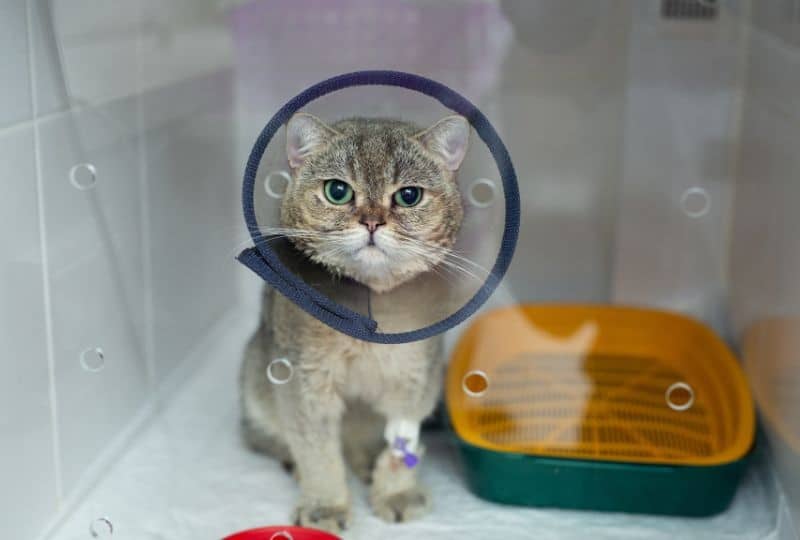
- An Elizabethan collar or recovery garment
- Help getting onto furniture or into vehicles
Preventing your pet from licking, scratching, jumping, or running can be especially important because excessive activity may interfere with healing.
What Is Normal After Surgery?
Some changes are common during the first day or two after anesthesia. Your pet may sleep more than usual, have a temporary decrease in appetite, or seem somewhat quieter.
However, you should know what your veterinarian considers normal for your pet’s specific procedure.
Contact your veterinary team if you notice concerning symptoms such as:
- Persistent vomiting or diarrhea
- Severe or worsening pain
- Difficulty breathing
- Extreme weakness or collapse
- Significant swelling
- Heavy bleeding
- Discharge from the incision
- Opening of the surgical incision
- Refusal to eat or drink for an unusual period
- Sudden behavioral changes
When in doubt, it is better to call and ask. Early attention can sometimes prevent a small postoperative concern from becoming a larger problem.
Caring for the Surgical Incision
Checking the incision regularly can help you notice changes early. Follow your veterinarian’s instructions about cleaning and protecting the surgical site.
Avoid applying ointments, disinfectants, or home remedies unless your veterinary team recommends them. Your pet should also be prevented from licking or chewing the incision.
Keep the area dry if instructed, and monitor for increasing redness, swelling, heat, discharge, or separation of the incision.
Taking a quick photo of the incision on the first day can also give you a useful reference when monitoring changes during recovery.
Follow-Up Care Matters
Surgery does not necessarily end when your pet leaves the hospital. Follow-up appointments may be needed to evaluate healing, remove sutures or staples when applicable, adjust medications, or determine when normal activity can resume.
Even if your pet seems completely recovered, do not assume that unrestricted exercise is safe. Some tissues require several weeks to heal properly, and too much activity too early can cause complications.
If rehabilitation exercises are recommended, follow them consistently. Your veterinary team can help you understand when your pet can gradually return to normal activity.
Finding the Right Support for Pet Surgery in Roseville
Choosing veterinary care for a surgical procedure involves more than simply finding an available appointment. Look for a veterinary team that communicates clearly, evaluates your pet before anesthesia, provides appropriate monitoring, explains pain management, and gives detailed discharge instructions.
For pet owners in Roseville, local access to veterinary care can also make follow-up visits more convenient. Keeping your pet’s medical records, medication information, and previous diagnostic results organized can help the veterinary team make informed decisions throughout the process.
Most importantly, do not hesitate to speak up about your concerns. You know your pet’s normal behavior better than anyone, and details you notice at home can be valuable to the veterinary team.
When your pet needs surgery, knowing what to expect can replace some of the uncertainty with a clear plan. From pre-surgical testing and anesthesia to pain control, home care, and follow-up visits, every stage plays a role in a safe recovery.
If your dog or cat has been diagnosed with a condition that may require surgery, talk with PetCare Veterinary Clinic about the recommended procedure, preparation requirements, recovery expectations, and questions you may have. If you are looking for compassionate pet surgery, schedule an appointment to discuss your pet’s surgical needs and determine the next best step for their care.
FAQs
1. How do I know if my pet really needs surgery?
Your veterinarian will consider your pet’s diagnosis, symptoms, overall health, and available treatment options before recommending surgery. Ask about the benefits, risks, alternatives, and consequences of delaying treatment.
2. How long does it take for a dog or cat to recover from surgery?
Recovery depends on the procedure, your pet’s age, health, and individual healing process. Minor procedures may require only a short recovery period, while orthopedic or more complex surgeries can require several weeks of restricted activity.
3. Can my pet eat before surgery?
Many procedures require fasting before anesthesia, but instructions vary by patient and procedure. Follow the specific feeding instructions provided by your veterinary team rather than making changes on your own.
4. What should I watch for after my pet has surgery?
Monitor your pet for worsening pain, persistent vomiting, breathing problems, significant bleeding, unusual weakness, or changes around the incision. Contact your veterinary team promptly if something seems abnormal or concerning.
5. How can I help my pet recover after surgery?
Keep your pet comfortable and follow all instructions regarding medications, exercise restrictions, incision care, feeding, and follow-up appointments. Prevent licking or excessive activity, and contact your veterinarian if you notice signs of complications.