1022 Douglas Blvd. Roseville, CA 95678


How to Safely Enjoy Fall Hiking Adventures With Your Dog
Cooler temperatures and colorful autumn scenery make fall a wonderful time to explore the outdoors with your dog. Hiking offers opportunities for exercise, mental stimulation, and bonding, but changing weather, uneven trails, wildlife, and seasonal plants can create risks for curious pets.
For dog owners in and around Roseville, CA, a little preparation can help make autumn hikes more comfortable and safer for everyone. Choosing an appropriate trail, packing the right supplies, and recognizing signs of fatigue can help your dog enjoy the adventure without unnecessary stress.
How Can You Prepare Your Dog for a Fall Hike?
The safest fall hikes begin before you reach the trailhead. Choose a route that matches your dog’s age, fitness level, and experience, and check trail rules to confirm dogs are allowed. A short, familiar trail may be a better choice than a steep or rocky route, especially for puppies, senior dogs, or pets that are not accustomed to long walks.
Before leaving home, make sure your dog has:
- A secure collar or harness with current identification.
- A sturdy leash that meets the trail’s rules.
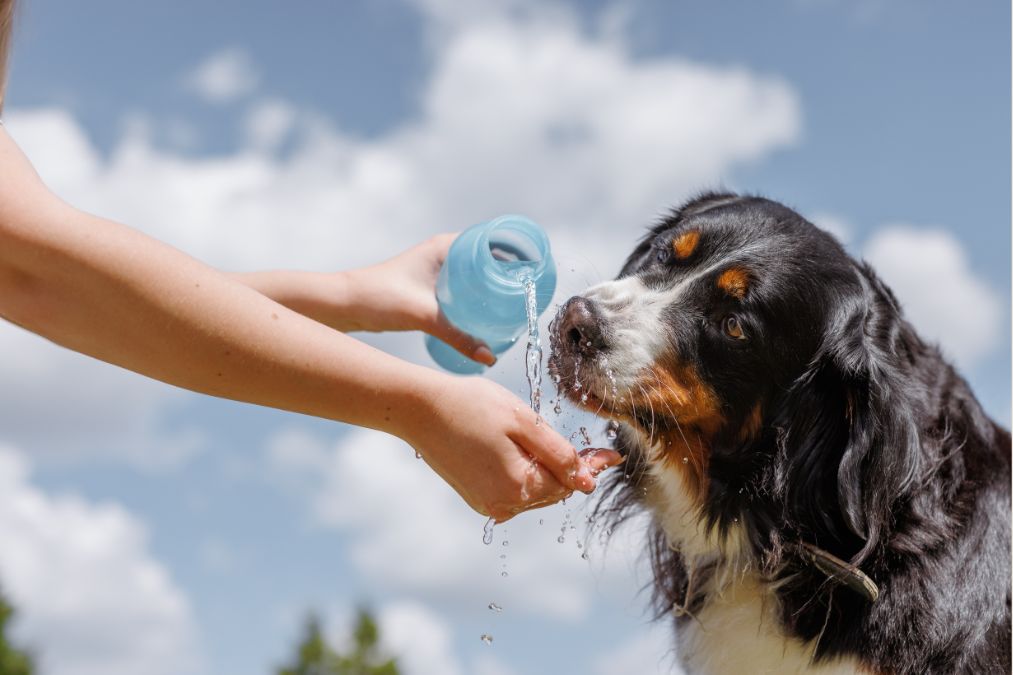
- Fresh drinking water and a portable bowl.
- Waste bags for responsible cleanup.
- Any necessary medications and a basic pet first-aid kit.
- A well-fitted harness or other suitable gear for the terrain.
Check the weather forecast and trail conditions, too. Fall mornings can be chilly, while afternoons may still be warm. Wet leaves, mud, and loose rocks can make paths slippery, so be prepared to slow down or turn back if conditions become difficult.
What Fall Hiking Hazards Should Dog Owners Watch For?
Autumn trails can expose dogs to hazards that are less obvious than steep slopes or rough terrain. Staying observant can help you prevent injuries and respond quickly if something seems wrong.
Watch for Wildlife and Seasonal Plants
Wildlife may be more active as animals prepare for colder weather. Keep your dog close, avoid approaching wild animals, and never allow chasing. Snakes may also remain active during warmer fall days in some areas.
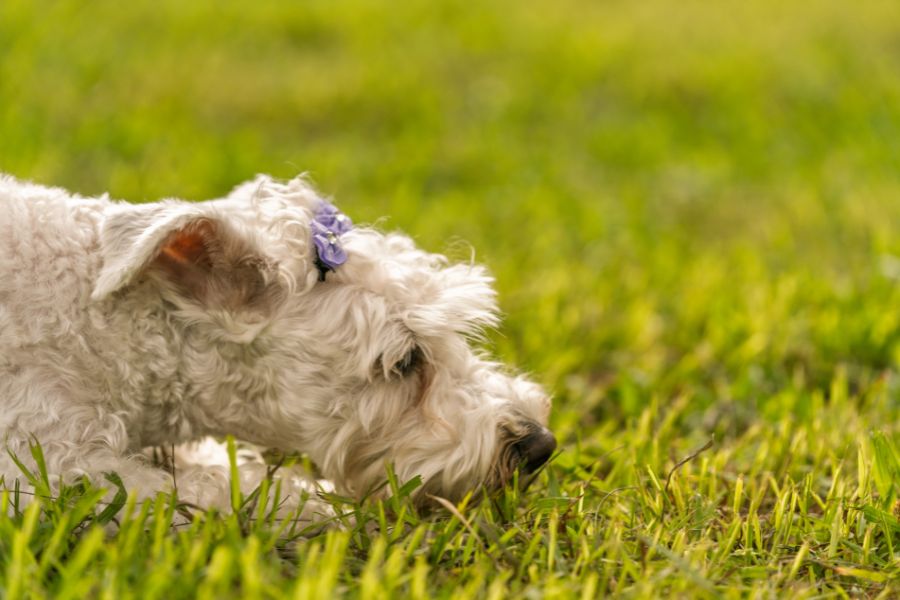
Discourage your dog from eating wild plants, mushrooms, or fallen fruit. Some mushrooms and plants can be toxic, and decaying organic material may carry additional risks. If you suspect your dog has eaten something poisonous, contact a veterinarian or an animal poison-control service promptly. Do not wait for symptoms to develop before seeking guidance.
Protect Your Dog’s Paws
Sharp sticks, rocks, burrs, foxtails, and other plant material can irritate or injure paws. After hiking, check between your dog’s toes and around the pads for cuts, swelling, redness, or embedded debris. Plant material can also collect around the ears and coat.
Rinse muddy paws when needed and dry them thoroughly. If your dog begins limping or repeatedly licking one paw, stop the hike and examine the area gently. Persistent pain or a visible injury warrants veterinary evaluation.
Prevent Tick and Flea Exposure
Ticks can remain active during mild fall weather. Use a veterinarian-recommended parasite prevention product appropriate for your dog, and check the coat carefully after every hike. Pay particular attention to the ears, neck, armpits, and areas between the toes.
Routine preventative pet care can help you discuss parasite protection and other health needs before outdoor adventures.
How Much Water and Exercise Does Your Dog Need?
Bring enough fresh water for your dog and offer regular opportunities to drink. Do not assume a stream, puddle, or other natural water source is safe. Water may contain harmful microorganisms or other contaminants.
The right hiking distance depends on your dog’s fitness, age, health, body condition, and the difficulty of the trail. Start with shorter routes if your dog is new to hiking, and allow breaks in a shaded or comfortable spot. Avoid pushing your dog to keep going simply because you want to finish the planned route.
Watch for excessive panting, slowing down, lagging behind, stumbling, or reluctance to continue. These can be signs that your dog needs rest or that the hike is too strenuous. Confusion, collapse, difficulty breathing, or severe weakness requires immediate veterinary attention. If your regular clinic is closed, contact a nearby emergency veterinary hospital.
Should You Keep Your Dog on a Leash During Fall Hikes?
Yes. Keeping your dog leashed is one of the simplest ways to improve trail safety. Even a dog with excellent recall may be distracted by wildlife, unfamiliar dogs, or new scents. A leash also helps prevent your pet from running onto roads, approaching dangerous terrain, or eating something harmful.
Follow posted leash rules and give other hikers and dogs plenty of space when passing. Staying on marked trails also reduces the chance of encountering hidden hazards and helps protect local plants and wildlife.
When Should You Contact a Veterinarian?
Contact a veterinarian if your dog develops persistent limping, paw injuries, vomiting, diarrhea, unusual lethargy, or ongoing discomfort after a hike. If your pet may have swallowed a poisonous plant or mushroom, seek veterinary guidance immediately rather than waiting for symptoms to appear.
Seek emergency veterinary care for collapse, seizures, severe breathing difficulty, or other sudden, serious symptoms. PetCare Veterinary Clinic does not provide 24/7 in-clinic emergency service, so pets needing emergency treatment outside regular business hours may need to be seen at a nearby emergency hospital. If you are unsure whether your dog is fit for a longer hike, a wellness examination can help you discuss exercise limits and any health concerns before your trip.
Enjoy Fall Trails With Your Dog Safely
Fall hiking can be a rewarding way to spend time with your dog, provided you plan around your pet’s needs and stay alert to changing trail conditions. Bring water, use a leash, check for ticks and paw injuries, and be willing to shorten the route when your dog needs a break.
PetCare Veterinary Clinic encourages local dog owners to make outdoor adventures part of a balanced, safe routine. You can also schedule an appointment to discuss your dog’s health and exercise needs before your next fall adventure.
Frequently Asked Questions
Q1. What should I bring when hiking with my dog?
Pack fresh water, a portable bowl, a leash, identification, waste bags, and a pet first-aid kit. Bring medications if prescribed and consider extra supplies for longer hikes.
Q2. Should I check my dog after every hike?
Yes. Check the paws, coat, ears, and skin for ticks, burrs, cuts, swelling, or irritation. Watch for changes in energy, appetite, or behavior afterward.
Q3. Can puppies and senior dogs go fall hiking?
Some can, but the distance and terrain should match their physical abilities. Puppies are still developing, while senior dogs may have reduced stamina or mobility. Ask your veterinarian for advice tailored to your dog’s health.
Q4. How can PetCare Veterinary Clinic help me keep my dog healthy for outdoor adventures?
PetCare Veterinary Clinic can help you discuss your dog’s general health, wellness needs, and preventative care, so you can make informed decisions about outdoor activities and exercise.
Q5. How can I prepare my dog for an active fall season with guidance from PetCare Veterinary Clinic?
You can discuss your dog’s exercise routine, physical condition, and preventative health needs with the veterinary team. These conversations can help you make informed choices about hiking and other outdoor activities.