1022 Douglas Blvd. Roseville, CA 95678


Senior Cat Care After Age 10: Everything Pet Owners Should Know
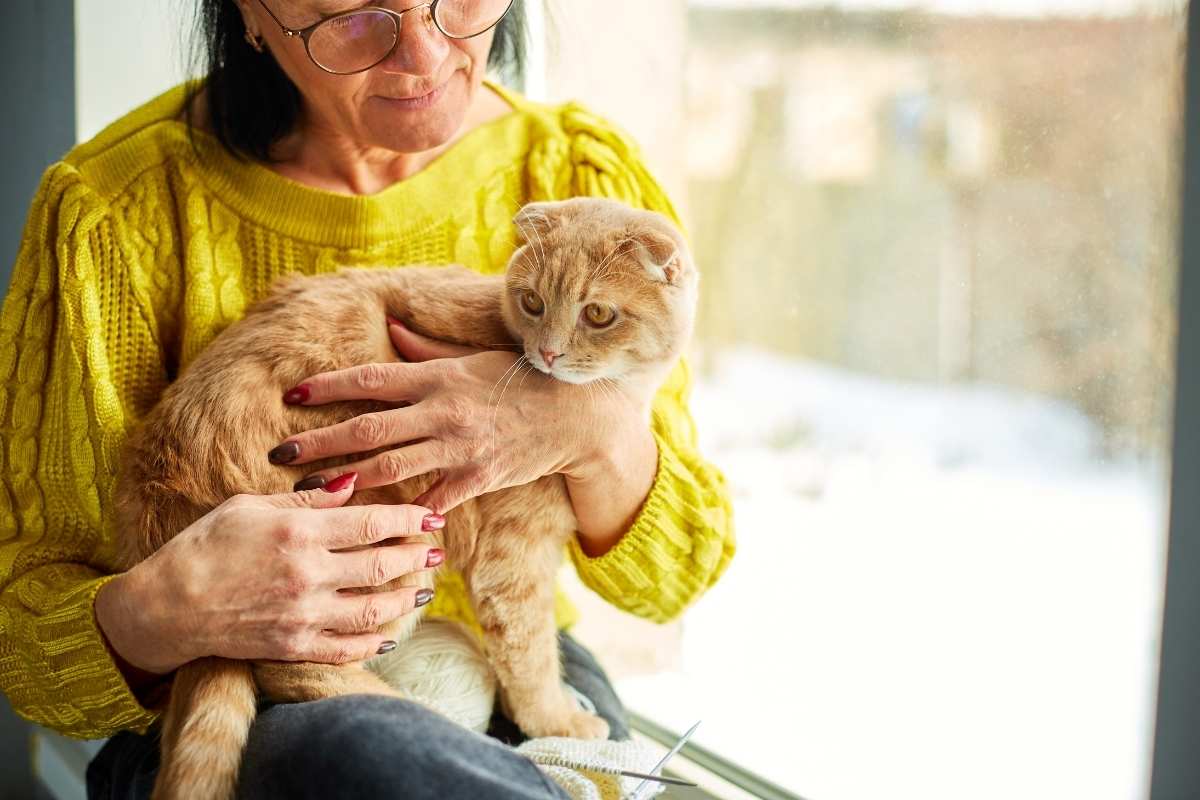
As cats enter their senior years, their healthcare needs begin to change. While many cats remain active and affectionate well into their teens, aging can bring subtle physical and behavioral changes that require extra attention. Understanding these changes and providing proactive care can help your feline companion enjoy a comfortable, healthy, and fulfilling life.
For pet owners seeking quality senior cat care, recognizing the signs of aging and maintaining regular veterinary visits are essential steps in supporting a cat’s long-term well-being.
When Is a Cat Considered a Senior?
Most veterinarians consider cats to be seniors once they reach approximately 10 years of age. At this stage, your cat may begin experiencing age-related changes that affect mobility, metabolism, vision, hearing, and overall health.
While every cat ages differently, common changes after age 10 may include:
- Reduced activity levels
- Increased sleeping
- Weight gain or loss
- Changes in appetite
- Joint stiffness
- Altered grooming habits
- Behavioral changes
Being aware of these changes allows pet owners to identify potential health concerns early and provide appropriate support.
Common Health Concerns in Senior Cats
As cats age, they become more susceptible to certain medical conditions. Early detection and treatment can significantly improve outcomes and quality of life.
Kidney Disease
Chronic kidney disease is one of the most common conditions affecting older cats. The kidneys gradually lose their ability to filter waste effectively.
Signs may include:
- Increased thirst
- Frequent urination
- Weight loss
- Poor appetite
- Vomiting
- Lethargy
Routine bloodwork and urinalysis can often detect kidney disease before severe symptoms develop.
Arthritis and Joint Problems
Many senior cats experience arthritis, even if they do not show obvious signs of pain.
Symptoms can include:
- Difficulty jumping
- Hesitation when climbing stairs
- Stiffness after resting
- Reduced activity
- Irritability when touched
With proper management, including weight control and veterinary-recommended therapies, many cats can remain comfortable and mobile.
Dental Disease
Dental issues are extremely common in aging cats and can affect both their comfort and overall health.
Warning signs include:
- Bad breath
- Difficulty chewing
- Drooling
- Pawing at the mouth
- Reduced appetite
Regular dental evaluations help prevent painful infections and tooth loss.
Hyperthyroidism
Hyperthyroidism occurs when the thyroid gland produces excessive hormones.
Common symptoms include:
- Increased appetite
- Weight loss
- Restlessness
- Increased thirst
- Vomiting
This condition is often manageable when diagnosed early.
Diabetes
Senior cats may develop diabetes, particularly if they are overweight.
Symptoms may include:
- Increased water consumption
- Frequent urination
- Weight loss
- Increased hunger
Routine wellness exams help identify diabetes before serious complications occur.
Why Preventive Care Matters for Senior Cats
Preventive healthcare becomes increasingly important as cats age. Many diseases develop gradually and may not cause noticeable symptoms until they are advanced.
Regular veterinary visits allow healthcare providers to:
- Monitor weight changes
- Evaluate organ function
- Detect disease early
- Assess dental health
- Identify mobility concerns
- Recommend nutritional adjustments
Proactive senior pet care Roseville services help ensure aging cats receive the attention they need before small concerns become major health problems.
Nutrition Needs for Cats Over 10
Aging cats often have changing nutritional requirements. The right diet can support healthy aging and help manage certain medical conditions.
Focus on High-Quality Protein
Cats are obligate carnivores and require protein to maintain muscle mass. Senior cats may benefit from highly digestible protein sources that support overall health.
Maintain a Healthy Weight
Obesity can contribute to arthritis, diabetes, and heart disease, while being underweight may indicate an underlying illness.
Regular weight monitoring helps ensure your cat remains in an ideal body condition.
Encourage Hydration
Older cats are more prone to dehydration and kidney issues.
Ways to encourage water intake include:
- Providing multiple water stations
- Using water fountains
- Feeding wet food when appropriate
- Keeping bowls clean and accessible
Follow Veterinary Recommendations
Dietary needs vary depending on your cat’s health status. Cats with kidney disease, diabetes, or other conditions may require specialized nutrition plans.
Monitoring Changes in Behavior
Behavioral changes are often among the first signs that something may be affecting a senior cat’s health.
Pay attention to:
- Increased vocalization
- Confusion or disorientation
- Changes in sleeping habits
- Litter box accidents
- Increased hiding
- Decreased social interaction
While some changes may be associated with aging, others can indicate pain, illness, or cognitive decline.
Any sudden or significant behavioral change should be discussed with a veterinarian.
Supporting Mobility and Comfort at Home
Senior cats benefit greatly from environmental modifications that make daily activities easier and safer.
Create Easy Access
Consider providing:
- Pet stairs
- Ramps
- Low-entry litter boxes
- Accessible food and water stations
These changes can help cats with arthritis move around more comfortably.
Provide Soft Bedding
Older cats often appreciate warm, supportive bedding placed in quiet areas of the home.
Maintain a Consistent Routine
Cats thrive on predictability. Consistent feeding schedules, familiar surroundings, and regular interaction can reduce stress and anxiety.
Encourage Gentle Activity
Regular movement helps maintain muscle strength and joint flexibility.
Interactive toys, short play sessions, and enrichment activities can help keep senior cats physically and mentally engaged.
The Importance of Routine Diagnostic Testing
Many age-related illnesses are not visible during a routine physical examination alone.
Diagnostic testing may include:
- Blood panels
- Urinalysis
- Blood pressure monitoring
- Thyroid testing
- X-rays
- Dental evaluations
These tests provide valuable information about your cat’s health and often detect diseases before symptoms become noticeable.
For families seeking comprehensive senior pet care in Roseville, routine diagnostics play a critical role in preserving quality of life and extending longevity.
How Often Should Senior Cats Visit the Veterinarian?
Because senior cats can develop health issues more rapidly than younger pets, veterinary visits should occur more frequently.
Many veterinarians recommend wellness examinations every six months for cats over 10 years old.
These visits allow healthcare teams to:
- Track health changes
- Monitor chronic conditions
- Update preventive care plans
- Review nutrition
- Assess mobility
- Address owner concerns
Consistent monitoring can significantly improve long-term health outcomes.
Signs Your Senior Cat Needs Veterinary Attention
Contact your veterinarian if your cat experiences:
- Weight loss
- Loss of appetite
- Increased thirst
- Frequent urination
- Vomiting
- Diarrhea
- Difficulty walking
- Changes in grooming habits
- Litter box changes
- Persistent lethargy
- Breathing difficulties
Prompt evaluation can help identify and treat medical issues before they become severe.
Why Choose a PetCare Veterinary Clinic for Senior Cat Care?
Senior cats require personalized healthcare that addresses their unique aging needs. At PetCare Veterinary Clinic in Roseville, the veterinary team focuses on comprehensive wellness care, diagnostic testing, preventive services, nutritional guidance, and individualized treatment plans designed to support aging pets.
Through proactive monitoring and compassionate care, the team helps senior cats maintain comfort, mobility, and quality of life throughout their golden years.
If your cat has reached the senior stage of life, now is an excellent time to schedule an appointment and ensure they receive the specialized care they deserve.
Helping Your Senior Cat Thrive
Growing older is a natural part of life, but it does not mean your cat cannot continue to enjoy many happy and healthy years. By understanding age-related changes, providing appropriate nutrition, monitoring behavior, and prioritizing regular veterinary care, pet owners can support their feline companions through every stage of aging.
Investing in routine senior cat care and professional senior pet care Roseville services helps detect health concerns early, improve comfort, and promote a better quality of life. With attentive care and ongoing veterinary support, your senior cat can continue to thrive well beyond age 10.
Frequently Asked Questions
1. At what age is a cat considered a senior?
Most cats are considered seniors around 10 years of age, although some age-related changes may begin earlier depending on genetics, lifestyle, and overall health.
2. How often should senior cats have veterinary exams?
Senior cats should generally have wellness examinations every six months to monitor their health and detect age-related conditions early.
3. What are the most common health problems in older cats?
Common health concerns include kidney disease, arthritis, dental disease, hyperthyroidism, diabetes, and high blood pressure.
4. Why is preventive care important for senior cats?
Preventive care helps identify illnesses before symptoms become severe, allowing for earlier treatment and better long-term outcomes.
5. How can I make my home more comfortable for an aging cat?
You can improve comfort by providing soft bedding, low-entry litter boxes, ramps or stairs, accessible food and water stations, and a consistent daily routine.
6. What signs indicate my senior cat should see a veterinarian?
Weight loss, increased thirst, changes in appetite, vomiting, mobility issues, litter box changes, lethargy, and behavioral changes should all be evaluated by a veterinarian.