1022 Douglas Blvd. Roseville, CA 95678


What Are the Warning Signs That Your Pet Needs a Dental Examination?
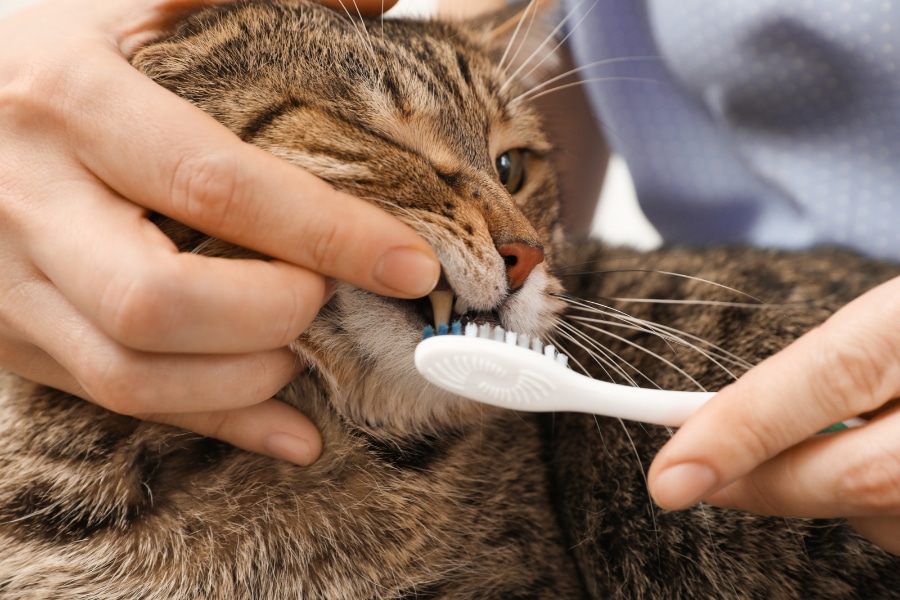
Pets cannot tell us when their teeth hurt, but changes in their breath, eating habits, and behavior can offer important clues. A dog who suddenly avoids chew toys or a cat who starts dropping food may be experiencing oral discomfort. Even persistent bad breath can point to a problem that deserves attention.
For pet owners in Roseville, CA, recognizing these changes can help identify dental concerns before they become more advanced. Dogs and cats often hide signs of pain, so a pet may continue eating and playing even when something is wrong.
Good pet dental care starts with knowing which warning signs to watch for and understanding when a professional dental examination may be appropriate.
What Are the Signs That Your Pet Needs a Dental Examination?
Persistent bad breath, red or bleeding gums, visible tartar, loose teeth, excessive drooling, and changes in chewing are common signs that a dog or cat may need a dental examination. These symptoms can indicate plaque buildup, gum inflammation, periodontal disease, or another oral health problem.
Watch for the following changes in your pet.
7 Warning Signs You Should Not Ignore
1. Bad Breath That Does Not Go Away
Occasional unpleasant breath may happen, but consistently foul-smelling breath can be associated with bacterial buildup, gum inflammation, or dental infection. It should not automatically be considered normal for dogs or cats.
2. Red, Swollen, or Bleeding Gums
Healthy gums are generally pink and should not bleed during normal eating. Redness, swelling, tenderness, or bleeding along the gumline may indicate gingivitis or more advanced gum disease.
3. Yellow or Brown Buildup on the Teeth
Plaque is a sticky film of bacteria that forms on teeth. If it is not removed regularly, it can harden into tartar, which often appears yellow or brown near the gumline. Hardened tartar cannot be fully removed with ordinary brushing and may require professional cleaning.
4. Changes in Eating or Chewing
A pet with dental discomfort may chew more slowly, drop food, favor one side of the mouth, or avoid hard treats. Some pets continue eating but change how they handle their food to reduce discomfort.
5. Excessive Drooling or Unusual Saliva
A sudden increase in drooling, thick saliva, or saliva with traces of blood may indicate irritation, injury, or another oral problem. These changes are worth discussing with your veterinarian.
6. Loose, Broken, or Discolored Teeth
A loose or fractured tooth may be associated with trauma or advanced dental disease. A tooth that looks darker than the others may also have internal damage. Even if your pet seems comfortable, a damaged tooth should be evaluated.
7. Pawing at the Mouth or Changes in Behavior
Repeatedly rubbing the face, pawing at the mouth, resisting contact around the muzzle, or becoming less interested in toys may suggest oral discomfort. Cats may also groom less or become unusually withdrawn.
Why Is a Dental Examination Important?
A dental examination helps a veterinarian assess your pet’s teeth, gums, and surrounding oral structures. It can reveal visible tartar, gum inflammation, damaged teeth, and other concerns that may not be obvious during everyday observation.
Some dental problems develop beneath the gumline. Dental X-rays can help evaluate tooth roots and surrounding structures that cannot be seen during a visual examination alone. Your veterinarian can then explain whether professional cleaning, additional imaging, or treatment may be appropriate.
How Can You Support Your Pet’s Dental Health at Home?
Home care helps reduce plaque buildup, but it does not replace professional examinations or treatment when dental disease is present.
- Brush regularly: Use a pet-specific toothbrush and toothpaste. Never use human toothpaste.
- Choose suitable dental products: Ask your veterinarian about dental chews, diets, or other products appropriate for your pet.
- Watch for changes: Pay attention to breath, gum color, drooling, chewing, and appetite.
- Keep up with examinations: Regular veterinary visits help identify oral health concerns before they progress.
When Should You Contact a Veterinarian?
Schedule a dental examination if you notice persistent bad breath, bleeding gums, visible tartar, difficulty chewing, loose teeth, or unusual drooling. A broken tooth, facial swelling, or signs of significant pain should be evaluated promptly.
If your pet cannot eat or drink, appears severely uncomfortable, or has trouble swallowing or breathing, seek urgent veterinary attention.
Do not wait for your pet to stop eating before asking for advice. Animals can continue eating despite oral discomfort, and some dental problems remain hidden beneath the gums.
Changes in your pet’s breath, gums, teeth, or eating habits can be early clues that something is wrong. Paying attention to these signs and arranging a dental examination when needed can help protect your companion’s comfort and oral health.
PetCare Veterinary Clinic provides dental examinations, professional cleanings, and digital dental radiology for dogs and cats. If you have noticed any of these warning signs, schedule an appointment to discuss your pet’s oral health and the care they may need.
Frequently Asked Questions
Q1. How often should dogs and cats have a dental examination?
Ans: Many pets benefit from a dental examination at least once a year, although some may need more frequent evaluations depending on their age, oral health, and medical history. Your veterinarian can recommend an appropriate schedule.
Q2. Can my pet have dental disease without showing obvious symptoms?
Ans: Yes. Dogs and cats may hide oral discomfort and continue eating normally even when dental disease is present. Problems can also develop beneath the gumline, making regular veterinary examinations important.
Q3. Is bad breath always a sign of dental disease in pets?
Ans: Not always, but persistent foul-smelling breath may indicate plaque buildup, gum inflammation, or infection. If the odor continues, have your pet’s mouth examined by a veterinarian.
Q4. What is included in a dental examination at PetCare Veterinary Clinic?
Ans: The veterinary team assesses your pet’s teeth, gums, and jaw for signs of plaque, inflammation, tooth damage, and other oral health concerns. The findings help determine whether further dental care is recommended.
Q5. Does PetCare Veterinary Clinic offer digital dental X-rays?
Ans: Yes. The clinic uses digital dental radiology to help evaluate tooth roots and structures beneath the gums. These images can reveal dental problems that may not be visible during a routine oral examination.
Q6. What happens during a professional dental cleaning at PetCare Veterinary Clinic?
Ans: Professional cleanings are generally performed under anesthesia so the team can thoroughly assess and clean the teeth. The process includes removing plaque and tartar, cleaning above and below the gumline, and polishing the teeth. If additional treatment is needed, the veterinary team will discuss the findings and recommendations with you.