1022 Douglas Blvd. Roseville, CA 95678


Why Pets May Hide Dental Pain Until the Problem Becomes Serious
Pets are remarkably good at hiding discomfort. While a dog or cat may act completely normal, an underlying dental problem can quietly worsen for weeks or even months. This is one reason pet dental care is an important part of routine veterinary care, even when your pet appears healthy.
Dental pain does not always look like obvious suffering. Instead, pets may make subtle changes to how they eat, play, groom themselves, or interact with their families. Learning to recognize these early warning signs can help owners seek veterinary attention before a small dental concern becomes a more serious health problem.
Why Do Pets Hide Dental Pain?
Animals naturally tend to conceal signs of weakness or discomfort. In the wild, showing pain could make an animal appear vulnerable to predators or other threats. Although household pets are safe with their families, that instinct can remain.
As a result, a pet with a painful tooth may continue eating, playing, and behaving normally. However, that does not necessarily mean everything is fine.
Instead of crying or refusing food, a pet might:
- Chew more slowly
- Favor one side of the mouth
- Drop food while eating
- Avoid hard treats
- Have stronger-than-usual breath
- Become less interested in toys
- Resist having the face touched
These changes can be easy to overlook because they often develop gradually.
Common Signs of Dental Problems in Dogs and Cats
Recognizing subtle symptoms is one of the best ways to protect your pet’s oral health. Some signs may be obvious, while others are easy to dismiss as normal aging or changes in personality.
Watch for:
Bad Breath
Persistent bad breath is not simply a normal part of having a pet. It can be associated with plaque, tartar, gum inflammation, infection, or other oral problems.
If your pet’s breath has suddenly become noticeably worse, it is worth discussing with a veterinarian.
Changes in Eating Habits
A pet with dental pain may still want food but have difficulty eating it. You might notice your dog chewing differently, swallowing kibble without chewing, dropping pieces, or taking longer to finish meals.
Cats may show similar changes, including approaching food and then walking away.
Excessive Drooling
Some pets naturally drool more than others, but a sudden increase in drooling can indicate oral discomfort. Blood-tinged saliva, thick saliva, or drooling accompanied by difficulty eating deserves prompt veterinary attention.
Pawing at the Mouth
Repeatedly rubbing the face or pawing at the mouth can be a sign that something is bothering your pet. This behavior should not be ignored, especially when combined with bad breath or changes in eating.
Reluctance to Play With Toys
Pets with sore teeth or gums may lose interest in activities that require chewing. A dog that once loved playing tug-of-war or chewing toys may suddenly avoid those activities.
Cats may also stop chewing on toys or become less interested in play.
What Happens When Dental Problems Go Untreated?
Dental disease can progress quietly. Plaque can harden into tartar, while bacteria can contribute to inflammation around the gums. Over time, the tissues supporting the teeth can become damaged.
In advanced cases, pets may develop loose or painful teeth, infections, or significant oral inflammation. A pet that seemed to have only mild bad breath may eventually require more extensive dental treatment.
That is why pet dental care should focus on prevention as well as treatment. Routine examinations allow veterinarians to identify problems that owners may not be able to see at home.
Why Routine Veterinary Dental Exams Matter
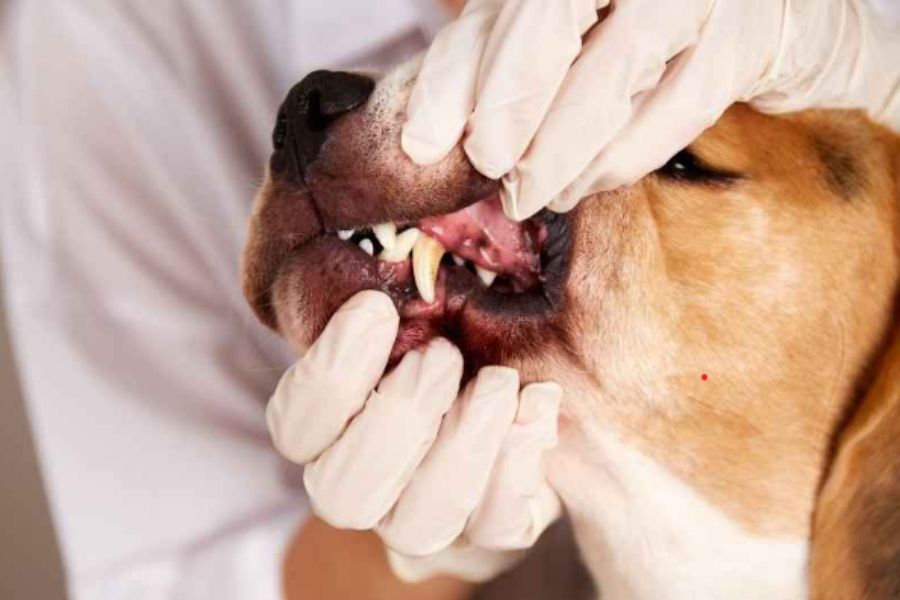
Looking inside your pet’s mouth at home can provide useful clues, but it does not replace a professional oral examination. Dental disease can develop below the gumline, where owners cannot easily see it.
During a veterinary dental evaluation, the veterinarian can assess the gums, teeth, mouth tissues, and overall oral condition. Depending on the findings, professional dental cleaning and additional treatment may be recommended.
Routine examinations are especially important for:
- Older dogs and cats
- Small-breed dogs prone to dental buildup
- Pets with persistent bad breath
- Pets with previous dental problems
- Animals showing changes in eating or chewing
Early attention can help prevent discomfort and may reduce the need for more complicated treatment later.
How Owners Can Support Better Dental Health at Home
Professional veterinary care is important, but daily habits also play a role in maintaining oral health.
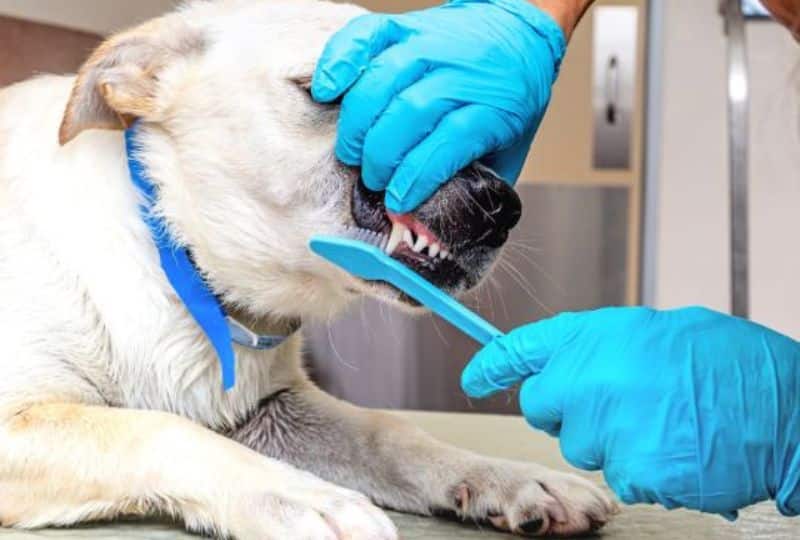
Ask your veterinarian which home dental products are appropriate for your pet. Depending on your pet’s needs, recommendations may include veterinary-approved toothbrushes, toothpaste, dental treats, or other oral-health products.
A few helpful habits include:
- Check the mouth regularly. Look for unusual redness, swelling, broken teeth, or visible tartar.
- Pay attention to eating behavior. Changes in chewing or food preferences can be meaningful.
- Monitor breath changes. Persistent foul odor deserves attention.
- Follow recommended veterinary visits. Routine exams help identify hidden dental problems.
- Avoid human toothpaste. Some ingredients can be harmful to pets.
Most importantly, do not wait for your pet to stop eating before taking dental concerns seriously. Animals can continue eating despite considerable oral discomfort.
When Should You Contact a Veterinarian?
Some dental symptoms can wait for a routine appointment, while others require more prompt attention. Contact your veterinarian if you notice persistent bad breath, difficulty chewing, loose or broken teeth, swollen gums, facial swelling, bleeding from the mouth, excessive drooling, or significant changes in eating habits.
If your pet stops eating, appears severely painful, develops facial swelling, or has trouble swallowing or breathing, seek veterinary attention promptly.
For Roseville pet owners, recognizing these warning signs can make a meaningful difference. Pet dental care is not only about keeping teeth clean – it is about helping pets remain comfortable and healthy throughout their lives.
Pets may hide dental pain because their natural instincts make them good at masking discomfort. Unfortunately, that means significant dental disease can develop before an owner notices anything is wrong.
Watch for subtle changes in eating, chewing, breath, drooling, play, and behavior, and make routine oral examinations part of your pet’s preventive care. If you have noticed signs of dental discomfort or it has been a while since your pet’s mouth was evaluated, contact PetCare Veterinary Clinic to book an appointment and discuss your pet’s dental health.
FAQs
Q1: Why do dogs and cats hide dental pain?
Dogs and cats often hide pain because of natural survival instincts. They may continue eating and behaving normally even when they have significant dental discomfort.
Q2: What are the first signs of dental disease in pets?
Early signs can include bad breath, tartar buildup, red or swollen gums, slower chewing, dropping food, excessive drooling, and reduced interest in chew toys.
Q3: Can a pet have dental disease without showing obvious symptoms?
Yes. Dental disease can develop below the gumline and cause discomfort before noticeable behavior changes appear, which is why routine veterinary dental examinations are important.
Q4: How can I improve my pet’s dental health at home?
Regular tooth brushing with pet-safe toothpaste, appropriate veterinary-approved dental products, and routine professional examinations can help support better oral health.
Q5: How often should my pet have a dental examination?
Dental needs vary by age, breed, health, and existing oral problems. Your veterinarian can recommend an examination schedule based on your pet’s individual needs.