1022 Douglas Blvd. Roseville, CA 95678


How to Create a Healthy Routine for Your Senior Pet
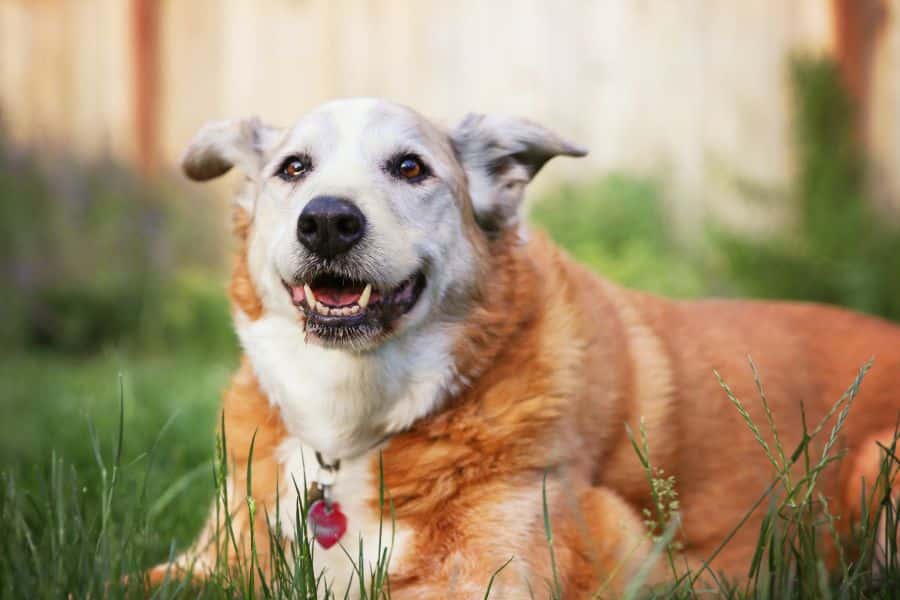
Senior pets may not need a completely different lifestyle, but they often benefit from a more thoughtful daily routine. Changes in mobility, energy, appetite, sleep, dental health, and behavior can become more noticeable with age. A consistent routine can help your dog or cat stay comfortable while making it easier for you to recognize changes that deserve veterinary attention.
For pet owners in Roseville, CA, understanding how to adapt daily habits as a companion ages can make senior pet ownership easier and more rewarding. Small adjustments to exercise, nutrition, home comfort, and veterinary care can support your pet’s changing needs.
Senior pet care focuses on maintaining quality of life while monitoring age-related changes. A healthy routine should include appropriate physical activity, balanced nutrition, regular veterinary examinations, dental care, mental stimulation, and close observation of your pet’s normal behavior.
What Does a Healthy Senior Pet Routine Look Like?
A healthy senior pet routine should be predictable but flexible enough to accommodate changing abilities. Consistent meal times, bathroom breaks, activity, rest, and medication schedules, when prescribed, can help your pet feel secure.
The right routine depends on your pet’s species, age, breed, health history, mobility, and lifestyle. A veterinarian can help you determine which activities and preventive measures are appropriate for your individual pet.
Adjust Exercise for Your Senior Pet
Senior pets still benefit from regular movement, but their exercise needs may change with age. Lower-impact activities and shorter, more frequent sessions may be more comfortable than strenuous exercise for some older pets.
Pay attention to how your pet responds during and after activity. Stiffness, reluctance to move, difficulty climbing stairs, or taking longer to get up may indicate that their routine needs adjustment. These changes can have several possible causes, so discuss persistent mobility changes with your veterinarian.
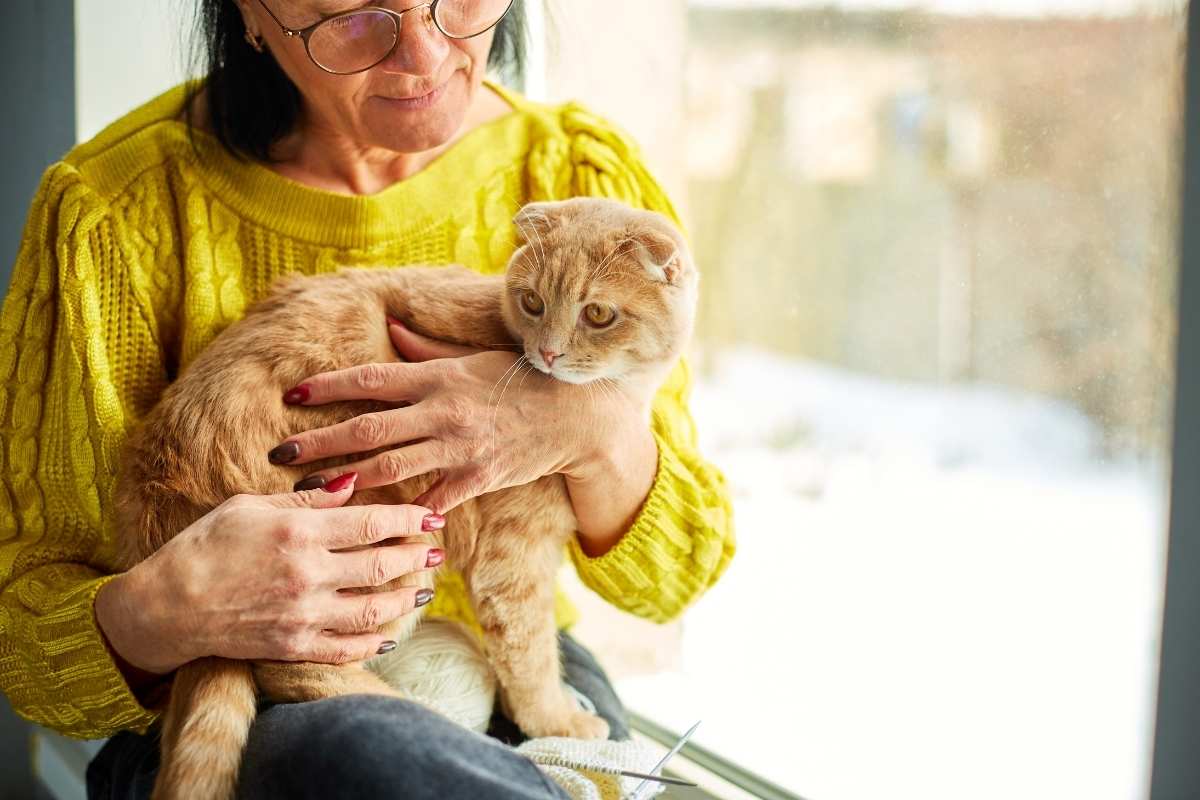
For cats, interactive play can provide both movement and mental stimulation. Keeping favorite toys accessible and offering short play sessions can encourage activity without overwhelming an older cat.
Keep Nutrition and Weight on Track
Nutrition becomes particularly important as pets age. Senior dogs and cats may have different nutritional needs depending on their health, activity level, and body condition.
Rather than changing your pet’s diet based solely on age, discuss nutrition with your veterinarian. Maintaining an appropriate body weight can help reduce unnecessary strain on joints and support overall health.
Watch for changes in appetite, eating habits, or weight. A noticeable increase or decrease in appetite, unexplained weight loss, or difficulty eating may be worth discussing with a veterinary professional.
Make Your Home More Comfortable
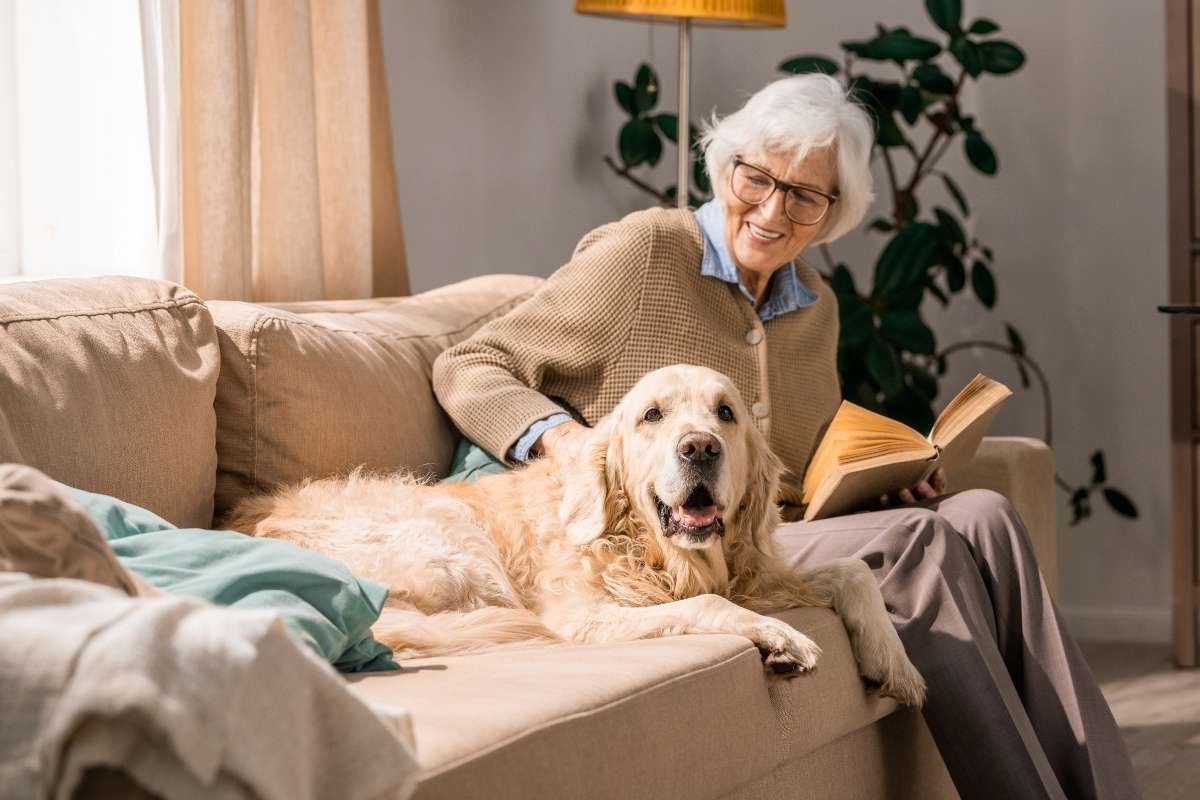
Simple changes around the house can make everyday activities easier for an older pet. Keep food, water, bedding, and frequently used areas easy to access.
Some senior pets may benefit from supportive bedding or limiting access to areas where jumping or navigating stairs has become difficult. Non-slip surfaces can also provide additional stability for pets who have trouble maintaining their footing.
For cats, keeping a litter box in an easily accessible location may help if climbing or navigating stairs has become challenging.
Give Your Senior Pet Mental Stimulation
Mental enrichment is just as valuable as physical activity. Short training sessions, food puzzles, scent-based games, and interactive toys can provide appropriate stimulation for many senior pets.
Choose activities that match your pet’s abilities. If an activity causes frustration, excessive fatigue, or physical discomfort, switch to something gentler.
Keeping familiar routines while introducing appropriate enrichment can help provide structure without unnecessary stress.
Keep Up With Preventive Veterinary Care
Regular veterinary examinations become especially valuable as pets age. Your veterinarian can monitor changes in weight, mobility, dental health, behavior, and other aspects of overall wellness.
Depending on your pet’s individual needs, age-appropriate screening or diagnostic testing may be recommended. Regular visits also give you an opportunity to discuss subtle changes that may be difficult to interpret at home.
When Should You Contact a Veterinarian?
Contact your veterinarian if you notice a persistent or significant change in your senior pet’s normal routine. Warning signs may include reduced appetite, unexplained weight changes, increased thirst or urination, repeated vomiting, breathing changes, persistent coughing, difficulty moving, unusual fatigue, confusion, changes in bathroom habits, or noticeable behavioral changes.
Sudden collapse, severe difficulty breathing, uncontrolled bleeding, or another apparent emergency requires prompt veterinary attention.
You do not need to wait for a routine appointment if something about your senior pet seems significantly different. Early veterinary evaluation may help determine whether a change is related to normal aging or something that requires attention.
Creating a healthy routine for a senior pet is less about making major changes and more about responding to their evolving needs. Consistent meals, appropriate exercise, comfortable surroundings, dental care, mental enrichment, and regular veterinary monitoring can all contribute to a healthier and more comfortable daily life.
If you have noticed changes in your senior pet’s mobility, appetite, behavior, or energy level, schedule an appointment with PetCare Veterinary Clinic to discuss those changes and develop a care routine suited to your pet.
Frequently Asked Questions
1. How can I keep my senior pet active without overexerting them?
Choose gentle, age-appropriate activities and monitor how your pet responds. Shorter walks or play sessions may be more suitable than strenuous exercise for some senior pets.
2. How often should a senior pet see a veterinarian?
The appropriate schedule depends on your pet’s age, health, and individual risk factors. Your veterinarian can recommend how frequently your senior pet should receive wellness examinations.
3. What changes in a senior pet should I take seriously?
Persistent changes in appetite, weight, mobility, thirst, urination, behavior, breathing, or energy level should be discussed with a veterinarian.
4. Can PetCare Veterinary Clinic help create a senior pet care routine?
Yes. A veterinary team can evaluate your pet’s individual needs and provide guidance on wellness care, nutrition, exercise, dental health, and age-related changes.
5. What can a senior pet wellness visit include?
A wellness visit may include a physical examination, weight and mobility assessment, dental evaluation, preventive care review, and recommendations for additional screening when appropriate.
6. When should I schedule senior pet care at PetCare Veterinary Clinic?
Schedule a visit when your senior pet is due for routine care or when you notice a persistent change in appetite, behavior, mobility, energy, or other daily habits.